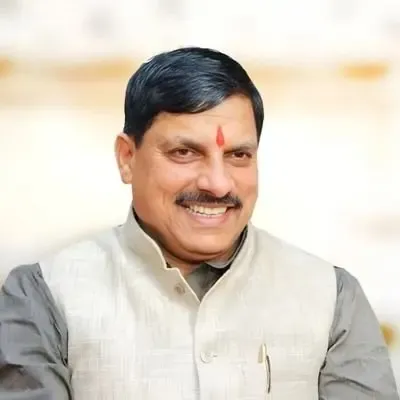
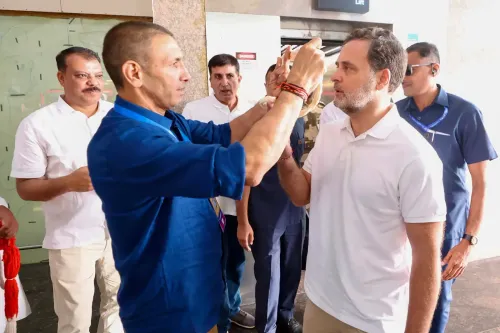
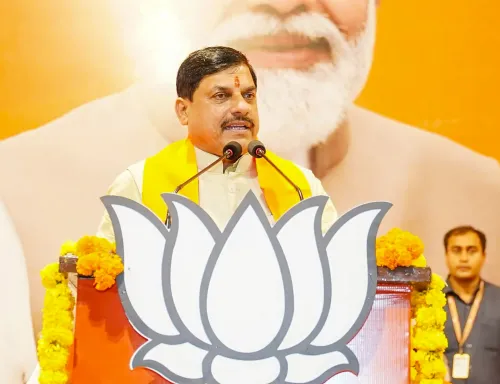
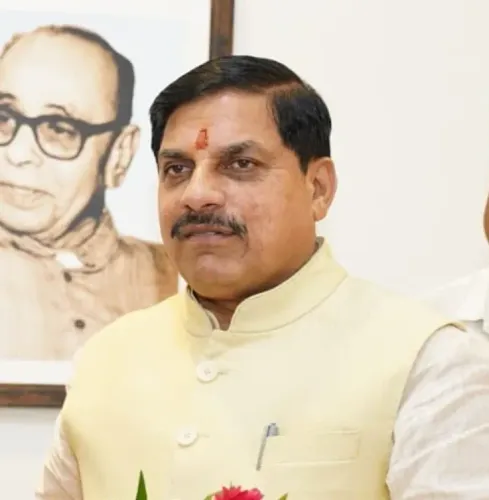
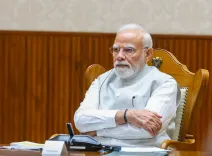
Rahul Gandhi flags stalled OBC appointments in MP to CM Mohan Yadav

Synopsis
Congress leader Rahul Gandhi publicly addressed MP Chief Minister Mohan Yadav over claims by OBC students that appointments to 13% of reserved posts remain blocked for over four years despite completed selections, spotlighting a persistent gap in affirmative-action delivery in Madhya Pradesh.
Key Takeaways
Rahul Gandhi addressed MP CM Mohan Yadav on 23 September 2026 over stalled OBC appointments in the state.
OBC students at the Chhatron Ki Gunj programme in Indore alleged that 13% of posts under the 27% OBC quota remain unfilled despite completed selections.
Students claim they have been waiting for over four years for appointments after clearing the selection process.
The 27% OBC reservation in public employment was mandated nationally from 1990 following the Mandal Commission and upheld by the Supreme Court in 1992 .
Implementation backlogs in OBC reserved posts are a recurring issue across multiple Indian states, not limited to Madhya Pradesh.
The MP government's response — or absence of one — could trigger parliamentary scrutiny or High Court litigation.
Years of waiting, a selection process already cleared — and still no job. Congress leader Rahul Gandhi on Wednesday, 23 September 2026, wrote directly to Madhya Pradesh Chief Minister Mohan Yadav, amplifying the grievances of OBC students who say appointments to 13% of posts under the 27% OBC reservation quota have been frozen for over four years despite their selection being complete.
Gandhi, citing the 'Chhatron Ki Gunj' ('Echo of Students') programme held in Indore, said OBC aspirants had come forward to describe their anguish — selections done, paperwork in order, yet appointments withheld. 'All the students are in great pain — they have been waiting for more than four years,' he wrote, addressing CM Yadav by name and tagging his official handle.
What the 27% OBC quota actually promises — and where it falls short
The 27% OBC reservation in public employment traces its roots to the Mandal Commission report of 1980, implemented nationally from 1990. The Supreme Court, in the landmark Indra Sawhney v. Union of India judgment of 1992, upheld the quota with a 50% aggregate ceiling and creamy-layer exclusion. On paper, the framework is settled law. In practice, implementation gaps have been a recurring flashpoint across states.
Madhya Pradesh has seen periodic agitation from OBC groups over recruitment delays in state services and educational institutions. The pattern is not unique to MP — backlogs in filling reserved posts, often compounded by litigation and administrative inertia, have frustrated aspirants in multiple states. But the specific claim here — that candidates already selected are being denied appointment — sharpens the charge considerably.
Indore's 'Chhatron Ki Gunj' and the students behind the numbers
Indore, Madhya Pradesh's largest city and a major education hub, hosted the 'Chhatron Ki Gunj' programme where OBC students brought their recruitment grievances into a public forum. Gandhi used the platform to give those grievances national visibility, framing the delay not as bureaucratic lag but as a denial of constitutional entitlement.
The Leader of the Opposition has consistently positioned OBC welfare and affirmative-action delivery as a central pillar of the Congress party's political messaging — making this post both a welfare intervention and a pointed political signal to the BJP-led state government ahead of any future electoral cycle in Madhya Pradesh.
What Bhopal must answer next
The ball is now squarely in the Madhya Pradesh government's court. A response from CM Yadav's office — whether a denial, a timeline for clearing the backlog, or fresh recruitment notifications — will determine whether this remains a social-media exchange or escalates into parliamentary questions and potential litigation before the Madhya Pradesh High Court. OBC student groups, emboldened by the national spotlight, are unlikely to let the matter rest quietly.
Four years is a long time to wait for a job you have already been selected for. The government's next move will be watched.
Point of View
And any perception that a BJP state government is sitting on reserved-category appointments hands the Opposition a concrete, ground-level grievance to carry into future campaigns. The Mandal framework is three decades old; the fact that implementation gaps still generate this kind of political heat signals that affirmative action in India remains a live, contested process rather than settled administrative routine. Whether Bhopal responds with data, a timeline, or silence will itself become part of the political story.
NationPress
23 Sept 2026
Frequently Asked Questions
What is the 27% OBC reservation in government jobs?
The 27% OBC reservation in central public employment was recommended by the Mandal Commission in 1980 and implemented from 1990. The Supreme Court upheld it in 1992 with a 50% overall cap and creamy-layer exclusion for Other Backward Classes.
What did Rahul Gandhi say about OBC appointments in Madhya Pradesh?
Rahul Gandhi wrote to MP Chief Minister Mohan Yadav citing OBC students' claims at an Indore event that appointments to 13% of posts under the 27% OBC quota have been stalled for over four years despite selections being complete.
What is the 'Chhatron Ki Gunj' programme?
'Chhatron Ki Gunj' translates to 'Echo of Students' — a programme held in Indore, Madhya Pradesh, where OBC student aspirants raised grievances about delays in government job appointments under the reserved quota.
Why are OBC appointment backlogs a recurring problem in India?
Implementation gaps in filling reserved OBC posts have persisted across several states due to administrative delays, court litigation, and policy inertia, often leaving selected candidates in prolonged limbo despite constitutional guarantees.
What can OBC students in Madhya Pradesh do if appointments remain blocked?
Affected candidates can file representations to the state government, raise issues through elected representatives in the state assembly, or approach the Madhya Pradesh High Court seeking compliance with reservation mandates.