Rahul Gandhi invokes Imam Hussain on Muharram
Synopsis
Congress leader Rahul Gandhi marked Muharram on 26 June 2026 by invoking the sacrifice of Hazrat Imam Hussain at Karbala, urging people to draw inspiration from his struggle against falsehood, tyranny, and injustice.
Key Takeaways
Rahul Gandhi posted a Muharram message on 26 June 2026 in Hindi on X.
He invoked the martyrdom of Hazrat Imam Hussain at the Battle of Karbala (680 CE) as humanity's strongest lesson against injustice and oppression.
Gandhi called on people to walk the path shown by Imam Hussain on the occasion of Muharram.
Imam Hussain is revered across Shia and Sunni traditions as a symbol of resistance to tyranny.
The message aligns with Congress's longstanding positioning on secularism and minority inclusion.
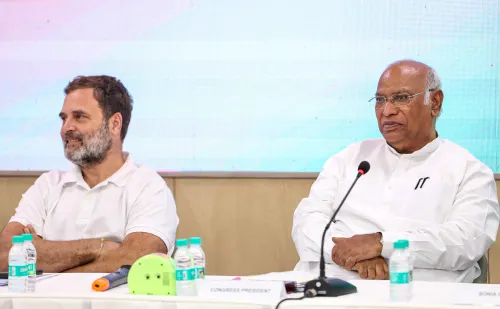
Congress leader Rahul Gandhi, Leader of the Opposition in Lok Sabha, on Friday, 26 June 2026, marked Muharram by invoking the sacrifice of Hazrat Imam Hussain, calling his life a timeless lesson in standing against falsehood, oppression, and injustice.
In a post on X in Hindi, Gandhi wrote: 'हज़रत इमाम हुसैन जी का संघर्ष, त्याग और बलिदान हमें असत्य, अत्याचार और अन्याय के विरुद्ध मानवता की सबसे मज़बूत ढाल बनने की सीख देता है' — ('The struggle, sacrifice, and martyrdom of Hazrat Imam Hussain teaches us to become humanity's strongest shield against falsehood, tyranny, and injustice.')
He added that on this day of Muharram, people should draw inspiration to walk the path shown by Imam Hussain.
Context
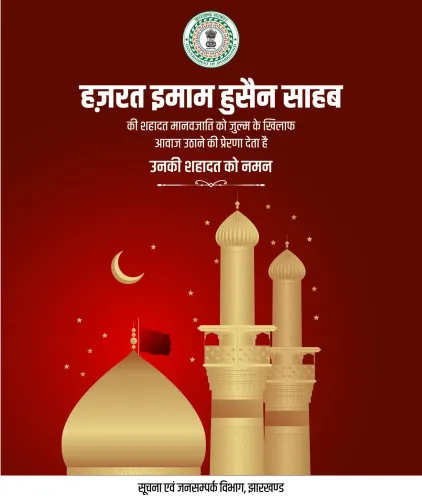
Muharram is the first month of the Islamic lunar calendar and one of its most solemn periods. It commemorates the Battle of Karbala in 680 CE, in which Hazrat Imam Hussain — grandson of the Prophet Muhammad — was martyred alongside his companions while refusing to pledge allegiance to the Umayyad caliph Yazid.
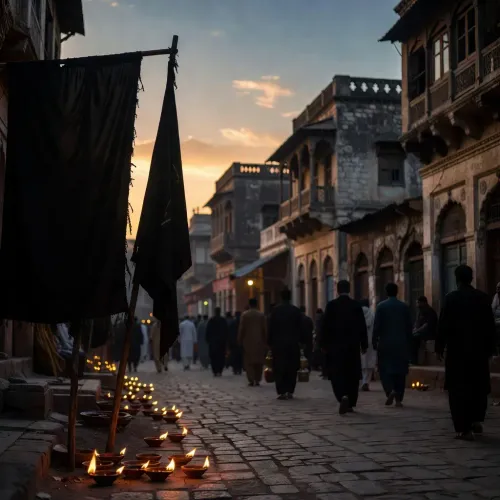
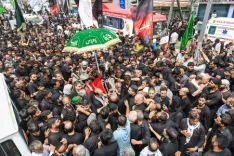
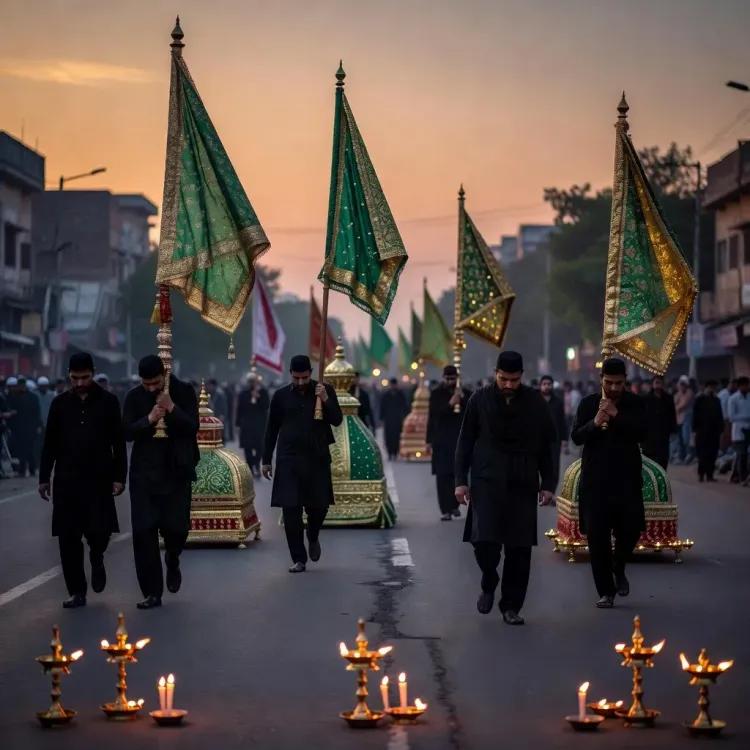
The event is observed with mourning processions, majlis (congregational gatherings), and tazia processions across India and the wider Muslim world. Imam Hussain's stand is widely regarded, across both Shia and Sunni traditions, as a foundational symbol of resistance to tyranny and the defence of moral principle.
Policy Backdrop
Indian political leaders across party lines routinely mark religious occasions with statements emphasising shared values. For Congress, Muharram messaging has historically been framed within the party's broader narrative of secularism, minority inclusion, and constitutional guarantees of equality.
Gandhi has consistently used such occasions to highlight values of justice and pluralism, drawing a line from religious tradition to contemporary constitutional ideals. His framing of Imam Hussain's sacrifice as a call for humanity's 'strongest shield' against injustice follows this established pattern.
Stakeholders and Impact
The message is directed at India's Muslim community — particularly Shia Muslims for whom Muharram carries the deepest liturgical weight — as well as a broader audience of citizens across faiths who identify with the values of justice and resistance to oppression.
As Leader of the Opposition in the Lok Sabha, Gandhi's statements on religious occasions carry political weight, signalling the Congress party's continued emphasis on pluralism at a time of heightened debate over India's social fabric.
What's Next
Muharram processions and tazia events are expected across major Indian cities in the coming days, accompanied by similar messages of solidarity from other national and regional political leaders.
How political parties collectively frame the occasion — and whether the values of sacrifice and resistance to injustice are invoked in policy debates — will be a marker of the broader political conversation heading into the coming weeks.
Point of View
Pluralist identity. By casting Imam Hussain's sacrifice as a universal call to resist 'falsehood, tyranny, and injustice,' Gandhi subtly anchors a religious tribute to the political language of constitutional values that the party has consistently deployed. The timing and tone suggest an attempt to consolidate minority community goodwill while projecting an inclusive moral vision to a broader electorate. Whether such messaging translates into tangible political capital will depend on how Congress's policy positions on minority affairs develop in the months ahead.
NationPress
26 Jun 2026
Frequently Asked Questions
What did Rahul Gandhi say on Muharram 2026?
Rahul Gandhi posted on X that the struggle, sacrifice, and martyrdom of Hazrat Imam Hussain teaches humanity to become its strongest shield against falsehood, tyranny, and injustice, and called on people to draw inspiration from his path on Muharram.
Who was Hazrat Imam Hussain?
Hazrat Imam Hussain was the grandson of the Prophet Muhammad who was martyred at the Battle of Karbala in 680 CE while resisting the Umayyad caliph Yazid. He is revered across Shia and Sunni traditions as a symbol of resistance to oppression and injustice.
What is Muharram and why is it observed?
Muharram is the first month of the Islamic lunar calendar. It is observed — especially by Shia Muslims — to mourn and commemorate the martyrdom of Imam Hussain at Karbala, with processions, majlis gatherings, and tazia events held across India and the world.
Why do Indian political leaders issue Muharram statements?
Indian political leaders across parties routinely issue statements on major religious occasions to signal solidarity with communities and highlight shared values. For Congress, Muharram messages have historically been tied to the party's emphasis on secularism and minority inclusion.
What is Rahul Gandhi's current political position?
Rahul Gandhi is the Leader of the Opposition in the Lok Sabha and a Member of Parliament from Rae Bareli, representing the Indian National Congress.