Rahul Gandhi mourns Padma Shri Cheruvayal Raman of Wayanad
Synopsis
Congress leader Rahul Gandhi mourned the passing of Padma Shri Cheruvayal Raman, the Kurichiya tribal farmer from Wayanad famed for conserving rare indigenous paddy varieties and keeping generations of Adivasi agricultural knowledge alive.
Key Takeaways
Rahul Gandhi expressed condolences on October 14, 2026 , at the passing of Padma Shri Cheruvayal Raman , affectionately calling him 'Ramettan.' Raman was a Kurichiya Adivasi farmer from Wayanad, Kerala , recognised with the Padma Shri for conserving dozens of indigenous paddy varieties.
His work preserved not just seeds but the cultivation knowledge embedded in Adivasi farming traditions across the Western Ghats .
Gandhi joined 'the people of Wayanad' in mourning, reflecting his sustained engagement with the district's Adivasi and agrarian communities.
Raman's passing raises questions about the continuity of community seed banks and informal conservation networks he helped sustain in Wayanad.
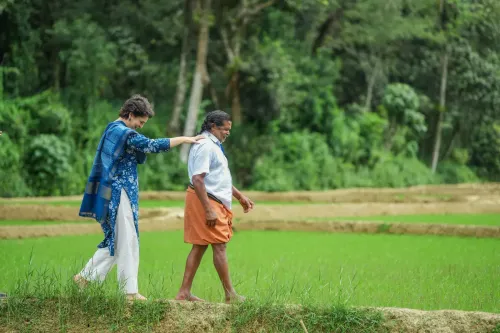
A quiet, lifelong act of conservation has come to an end. Congress leader and Wayanad MP Rahul Gandhi on Wednesday, October 14, 2026, expressed deep sorrow at the passing of Padma Shri Cheruvayal Raman — the Kurichiya tribal farmer from Wayanad, Kerala, who spent decades safeguarding indigenous paddy varieties that mainstream agriculture had all but forgotten.
Gandhi referred to the late farmer affectionately as 'Ramettan' — a term of endearment meaning 'elder brother Raman' — writing, 'He devoted his life to preserving Wayanad's indigenous paddy seeds, keeping generations of Adivasi knowledge alive.' The brevity of the tribute belied the scale of what Raman represented: a living seed library, walking.
The man who kept heirloom paddy from disappearing
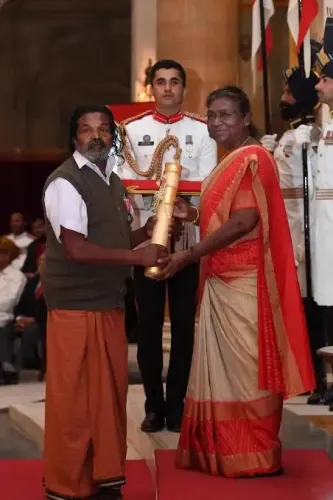
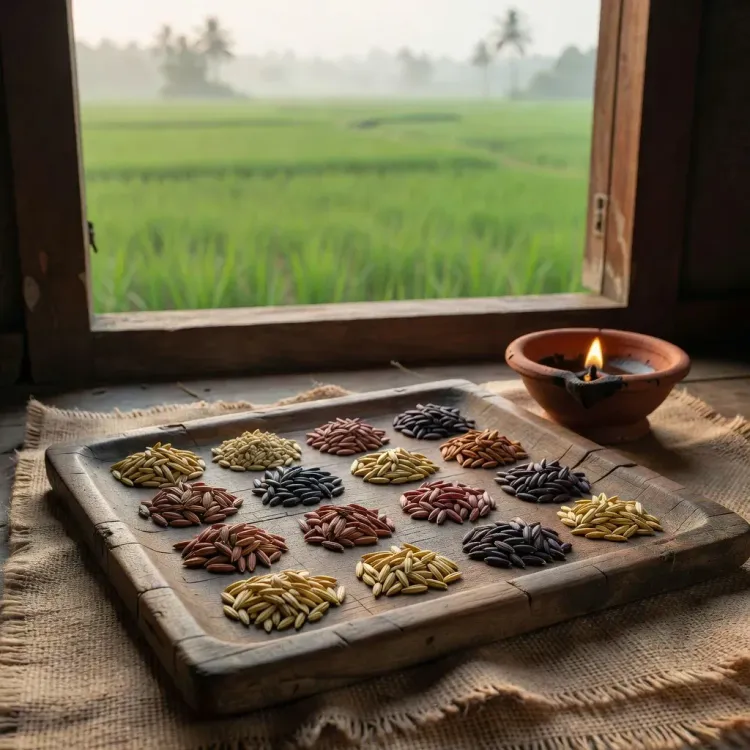
Cheruvayal Raman was a member of the Kurichiya Adivasi community of Wayanad and became one of India's most recognised custodians of traditional agrobiodiversity. He conserved dozens of rare, indigenous paddy varieties — landraces adapted over centuries to the specific soils and microclimates of the Western Ghats — at a time when Green Revolution monocultures were steadily displacing them. The Government of India recognised his contribution with the Padma Shri, one of the country's highest civilian honours.
His work was not archival in any institutional sense. Raman grew, replanted, and distributed these seeds within his community, ensuring the knowledge of their cultivation — sowing windows, water needs, pest resistance — travelled with the grain itself. That integration of seed and story is precisely what makes such custodians irreplaceable.
Wayanad's Adivasi knowledge systems at a crossroads
Wayanad is one of Kerala's most ecologically and culturally layered districts, home to several Adivasi groups — Kurichiya, Paniya, Kattunayakan among them — who have maintained distinct agricultural traditions for generations. The district sits within a globally significant biodiversity hotspot, and its traditional seed stocks represent a genetic reservoir that formal plant-breeding programmes have increasingly drawn upon.
The loss of individuals like Raman raises an urgent question: who carries the knowledge forward? Community seed banks and informal networks of tribal farmers have been the primary answer, and Raman himself was a node in several such networks across Wayanad. Whether those links hold without his stewardship is now the central concern for conservationists and local Adivasi organisations alike.
Gandhi's long-standing Wayanad connection
Rahul Gandhi has represented Rae Bareli in Lok Sabha and previously held the Wayanad constituency — a seat now held by his sister — maintaining visible public engagement with the district's Adivasi and agrarian communities. His condolence statement, addressed jointly to Raman's family and 'the people of Wayanad,' reflects that sustained bond with a constituency where indigenous land rights and ecological preservation are live political issues.
Raman's death closes a chapter in Wayanad's living agricultural heritage — but the seeds he saved remain in the soil, and in the hands of those who learned from him.
Point of View
Yet institutional support for community-level seed custodians remains patchy. Rahul Gandhi's tribute — rooted in personal familiarity with Wayanad rather than a generic condolence — signals the political salience of Adivasi knowledge systems as an electoral and cultural touchstone. For the Congress party, which has leaned heavily on Wayanad as a symbol of grassroots connect, honouring figures like Raman reinforces a narrative of proximity to marginalised communities. The broader challenge is whether political tribute translates into sustained support for the living networks of farmers who continue Raman's work.
NationPress
15 Oct 2026
Frequently Asked Questions
Who was Cheruvayal Raman?
Cheruvayal Raman was a Kurichiya Adivasi farmer from Wayanad, Kerala, who spent his life conserving dozens of indigenous paddy varieties. He was awarded the Padma Shri by the Government of India for his contributions to agrobiodiversity and traditional seed conservation.
Why is Cheruvayal Raman significant for Wayanad?
Raman preserved rare, heirloom paddy landraces native to the Western Ghats that were being displaced by commercial monocultures. His work kept both the seeds and the Adivasi cultivation knowledge surrounding them alive within his community.
What did Rahul Gandhi say about Cheruvayal Raman?
Rahul Gandhi called Raman 'our beloved Ramettan' and said he devoted his life to preserving Wayanad's indigenous paddy seeds, keeping generations of Adivasi knowledge alive. Gandhi expressed heartfelt condolences to the family and the people of Wayanad.
What is a Padma Shri award?
The Padma Shri is the fourth-highest civilian honour conferred by the Government of India. It is awarded annually for distinguished service in various fields including arts, education, industry, and social work.
What happens to Cheruvayal Raman's seed conservation work after his death?
Community seed banks and informal networks of tribal farmers in Wayanad that Raman helped sustain are now the primary custodians of his legacy. Conservation groups and local Adivasi organisations are expected to play a key role in continuing his efforts.