Rahul Gandhi Slams Maharashtra TET Paper Leak, 6 Lakh Candidates in Limbo
Synopsis
Congress leader Rahul Gandhi condemned the Maharashtra TET paper leak on July 14, 2026, highlighting that 6 lakh teacher aspirants are in limbo with no rescheduled date two weeks after cancellation. He criticised the system for leaving perpetrators free while honest candidates bear the consequences.
Key Takeaways
Congress leader Rahul Gandhi attacked the Maharashtra TET paper leak in a post on July 14, 2026 .
The exam was cancelled following the leak, leaving approximately 6 lakh candidates without clarity on a new date.
Gandhi said those responsible for the leak remain free while honest, hardworking candidates are being penalised.
No rescheduled exam date had been announced as of two weeks after the cancellation.
The Right to Education Act, 2009 mandates TET clearance for all government school teacher appointments.
Gandhi stressed that these aspirants are India's future teachers, framing the issue as one with long-term national consequences.
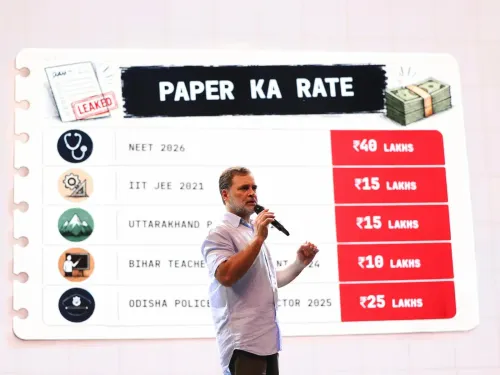
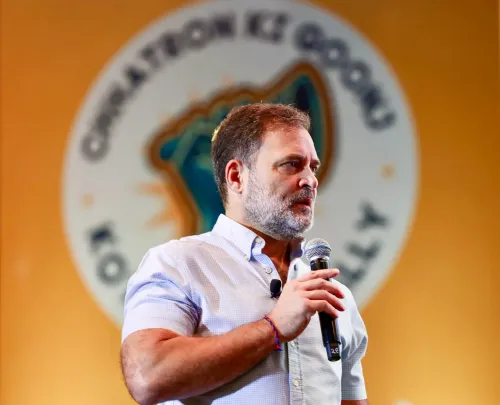
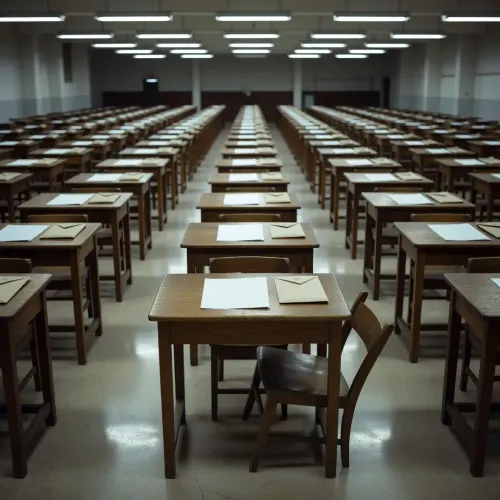
Congress leader Rahul Gandhi, Leader of the Opposition in the Lok Sabha, on Tuesday, July 14, 2026, sharply criticised the paper leak in the Maharashtra Teacher Eligibility Test (TET), pointing out that nearly 6 lakh candidates remain in uncertainty with no rescheduled date announced even two weeks after the exam was cancelled.
Posting in Hindi on X, Gandhi wrote: 'Maharashtra TET ka paper leak hua, pariksha radd hui. 6 lakh abhyarthi adhar mein.' ('The Maharashtra TET paper was leaked, the exam was cancelled. Six lakh candidates are in limbo.') He added that those who committed the leak are free, the system remains unblemished, and it is the honest, hardworking candidate who is being punished.
Gandhi concluded with a pointed remark: 'These are the country's serving and future teachers, in whose hands lies India's future.'
Context
The Maharashtra TET is a state-level qualifying examination conducted for the recruitment of teachers in government-run elementary and secondary schools across the state. Clearing the TET is a mandatory requirement under the Right to Education Act, 2009, which made such eligibility tests compulsory for all teacher appointments in recognised schools.
The cancellation of the exam following the paper leak has left an estimated 6 lakh aspirants without clarity on when they will next get an opportunity to sit for the test. Two weeks after the cancellation, no official announcement of a fresh examination date has been made, compounding the anxiety of candidates who have invested significant time and resources in preparation.
Policy Backdrop
Paper leaks in state-conducted teacher eligibility and recruitment examinations have emerged as a recurring crisis across India over the past decade. Such incidents have led to mass cancellations, prolonged delays in teacher deployment, and a deepening erosion of candidate trust in the integrity of public recruitment systems.
The National Education Policy 2020 explicitly called for reforms in teacher recruitment to ensure transparency and merit-based selection. Despite this policy direction, exam security failures at the state level have continued to surface, exposing gaps in oversight and implementation. The Maharashtra incident fits into this broader national pattern of systemic vulnerabilities in high-stakes public examinations.
Stakeholders and Impact
The most immediate impact falls on the 6 lakh teacher aspirants whose career timelines have been disrupted. Many of these candidates are working professionals or recent graduates who had structured their schedules around the examination calendar. An indefinite delay translates into lost income opportunities and prolonged career uncertainty.
Beyond the candidates, the leak has consequences for Maharashtra's government schools, where teacher vacancies remain unfilled pending fresh recruitment cycles. Students in these schools — particularly those in rural and semi-urban areas — bear the indirect cost of delayed teacher appointments. Gandhi's post specifically underscored this generational dimension, noting that these aspirants represent the future educators of the country.
What's Next
Attention will now focus on whether the Maharashtra government announces a rescheduled TET date and launches a credible inquiry into the paper leak. Demands for accountability — including action against those responsible for the breach — are expected to intensify from opposition parties and candidate groups.
Any state-level inquiry report or proposed changes to exam security protocols, such as the adoption of computer-based testing or third-party audit mechanisms, will be closely watched. Gandhi's intervention signals that the Maharashtra TET controversy is likely to become a political flashpoint, with the opposition pressing the state administration for concrete answers and systemic reform.
Point of View
Politically significant constituency — teacher aspirants. By emphasising that perpetrators walk free while meritorious candidates suffer, he frames the crisis not merely as an administrative lapse but as a moral and institutional failure. This fits a broader opposition strategy of spotlighting exam paper leaks — which have recurred across multiple states — as evidence of weakening public institutions under incumbent governments. The political pressure is likely to accelerate demands for an independent inquiry and concrete exam-security reforms in Maharashtra.
NationPress
12 Oct 2026
Frequently Asked Questions
What happened to the Maharashtra TET exam in 2026?
The Maharashtra Teacher Eligibility Test (TET) was cancelled in 2026 after its question paper was leaked before the examination, leaving around 6 lakh registered candidates without a rescheduled date.
How many candidates were affected by the Maharashtra TET paper leak?
Approximately 6 lakh (600,000) candidates were affected by the Maharashtra TET cancellation following the paper leak, according to Rahul Gandhi's post on July 14, 2026.
What is the Maharashtra TET and why is it important?
The Maharashtra Teacher Eligibility Test (TET) is a mandatory qualifying exam for candidates seeking appointment as teachers in government schools in Maharashtra, as required under the Right to Education Act, 2009.
What did Rahul Gandhi say about the Maharashtra TET paper leak?
Rahul Gandhi said the paper leak exposed a system where those responsible go free and the system remains 'unblemished', while honest, hardworking candidates are the ones who suffer. He stressed that these aspirants are India's future teachers.
Has a new Maharashtra TET date been announced after the cancellation?
As of Rahul Gandhi's post on July 14, 2026 — two weeks after the cancellation — no new examination date had been officially announced by the Maharashtra authorities.