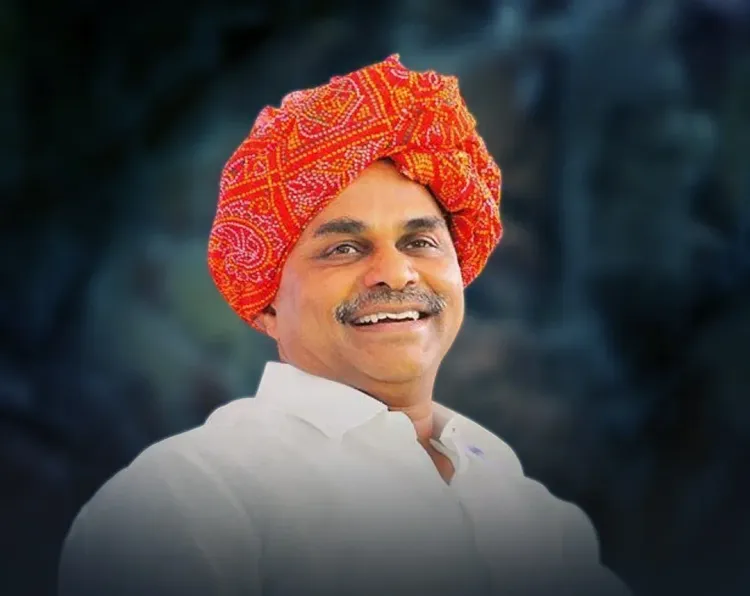
YSR birth anniversary: Rahul Gandhi, Kharge pay tributes to former AP CM
Synopsis
On what would have been his 76th birthday, YS Rajasekhara Reddy — the man whose 1,400-km barefoot march through Andhra Pradesh's hinterland delivered a 185-seat landslide — was remembered by Congress's top leadership. His welfare politics and unbeaten electoral record remain a benchmark that his successors, including his own son, still invoke.
Key Takeaways
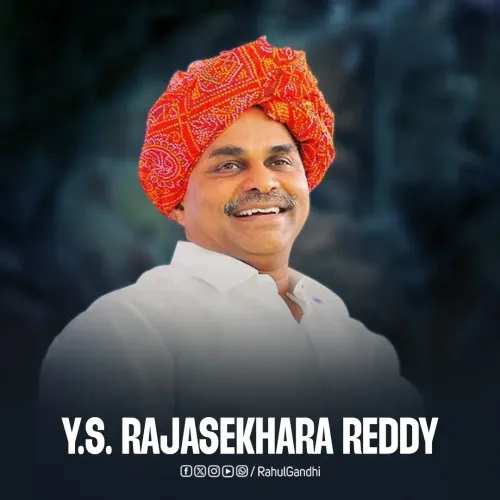
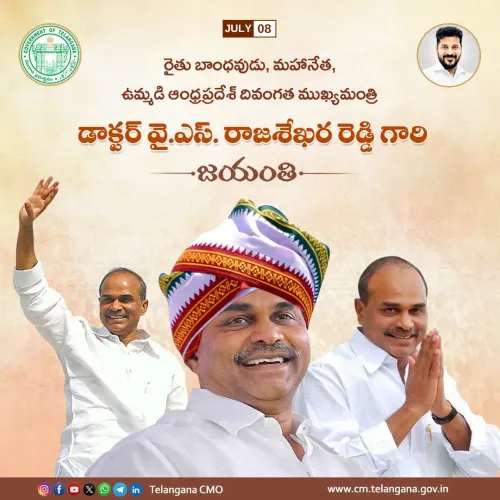
Rahul Gandhi and Mallikarjun Kharge paid tributes to former Andhra Pradesh CM YS Rajasekhara Reddy on his birth anniversary, 8 July .
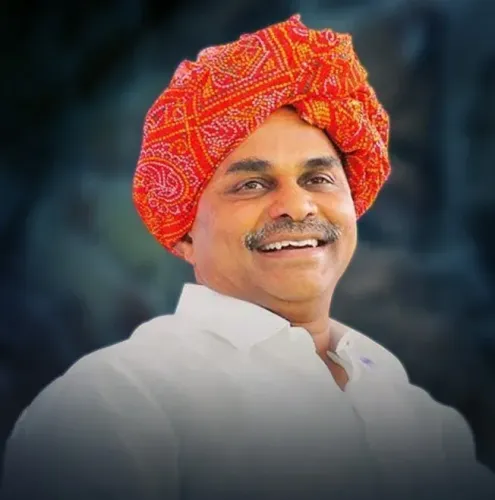
YSR was born on 8 July 1949 in Pulivendula , Rayalaseema, Andhra Pradesh.
He led a 1,400-km Paadayaatra in 2003 , resulting in a 185-seat victory in the 2004 Assembly elections.
Reddy was sworn in for a second consecutive term as Chief Minister on 20 May 2009 at Hyderabad's Lal Bahadur Shastri Stadium.
He served as APCC president twice and won every election he contested across a 25-year political career.
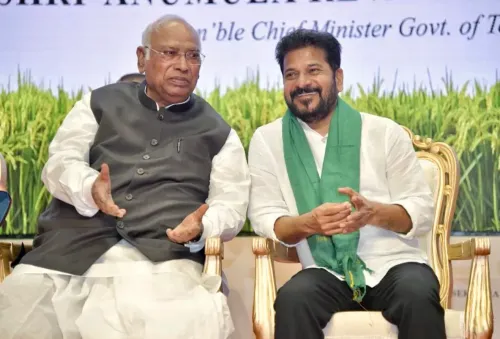
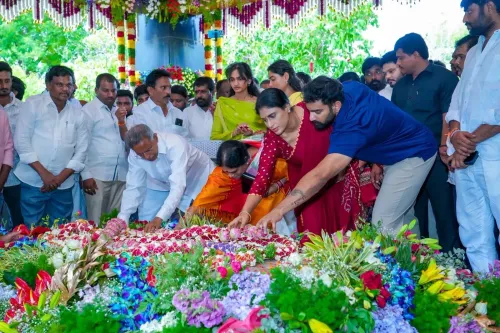
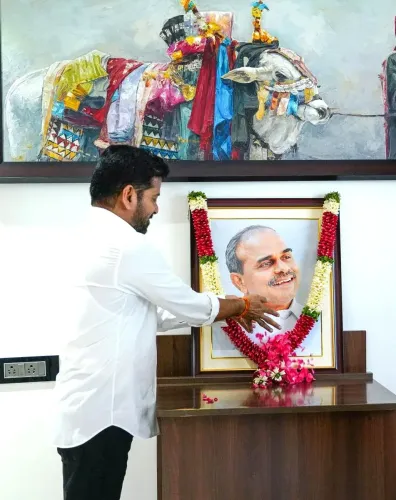
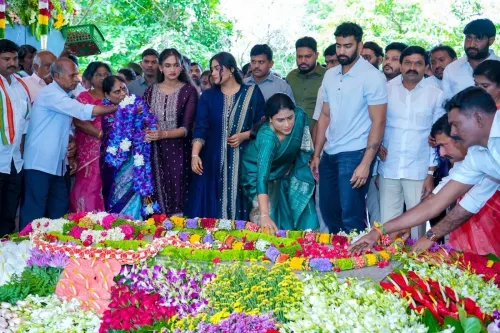
Congress leaders Rahul Gandhi and Mallikarjun Kharge on 8 July paid tributes to veteran Congressman and former Andhra Pradesh Chief Minister YS Rajasekhara Reddy on his birth anniversary, honouring his decades of public service and commitment to the state's marginalised communities.
Tributes from Congress Leadership
Leader of the Opposition in Lok Sabha, Rahul Gandhi, posted on X, describing YS Rajasekhara Reddy as 'a true statesman' who 'uplifted countless lives through his unwavering commitment to the welfare of the people of Andhra Pradesh.' Gandhi added that 'his service to the people will always be remembered.'
Congress President Mallikarjun Kharge also offered his respects, calling Reddy 'a visionary and compassionate leader' who 'dedicated his life to the welfare and progress of the people of Andhra Pradesh.' Kharge noted Reddy's 'unbridled commitment to farmers, the poor, and the marginalised, along with his immense dedication to the Congress party,' calling it 'an enduring legacy.'
Early Life and Entry into Politics
Yeduguri Sandinti Rajasekhara Reddy, widely known as YSR, was born on 8 July 1949 in Pulivendula, in the backward Rayalaseema region of Andhra Pradesh. He showed an early interest in politics during his student years, serving as president of the Students' Union at M R Medical College, Gulbarga, Karnataka, and later as elected leader of the House Surgeon's Association at S V Medical College, Tirupati.
After completing his MBBS, Reddy worked as a Medical Officer at the Jammalamadugu Mission Hospital. In 1973, he established a 70-bed charitable hospital at Pulivendula, named after his father. His family also founded a polytechnic and a degree college in Pulivendula, both later handed over to the Loyola group of institutions.
Political Career and Key Milestones
Reddy entered active politics in 1978, contesting four elections each to the state Legislative Assembly and the Lok Sabha — and winning every single one. He served as president of the Andhra Pradesh Congress Committee (APCC) twice: from 1983 to 1985 and again from 1998 to 2000. He was Leader of Opposition in the 11th state Assembly from 1999 to 2004.
In a defining moment of his political career, YSR led a gruelling 1,400-km Paadayaatra through backward areas of Andhra Pradesh during the mid-summer of 2003, spotlighting the struggles of peasants, weavers, Dalits, youth, and women. The march galvanised public support, and in the 2004 Assembly elections, his party swept the state by winning 185 seats, propelling him to the Chief Minister's office.
Chief Ministership and Controversies
Reddy was sworn in for a second consecutive term as Chief Minister of Andhra Pradesh on 20 May 2009, at a ceremony held at Hyderabad's Lal Bahadur Shastri Stadium, attended by a crowd of around 20,000 people. His tenure spanned a 25-year political career marked by advocacy for agrarian and social welfare causes.
However, his first term was not without controversy. Opposition parties alleged corruption in his government, and in 2008, Telugu Desam Party leader N Chandrababu Naidu accused Reddy and his family of involvement in the Satyam scandal, allegations that remained politically contested.
Legacy
YSR's legacy continues to shape Andhra Pradesh's political landscape, with his welfare-centric governance model remaining a reference point for successive governments. His birth anniversary is observed each year as a moment of reflection on grassroots politics and social equity in the state.
Point of View
But for the broader Telugu political imagination. His 1,400-km Paadayaatra remains one of independent India's most effective pre-election mobilisation exercises, a template that has since been replicated but rarely matched. What mainstream coverage often misses is the contradiction: the same leader celebrated for championing the poor also faced serious corruption allegations during his tenure. Congress's tributes, predictably, focus on the welfare narrative while bypassing the accountability questions — a selective memory that suits the party's current electoral needs in Andhra Pradesh.
NationPress
7 Oct 2026
Frequently Asked Questions
Who was YS Rajasekhara Reddy?
YS Rajasekhara Reddy, popularly known as YSR, was a veteran Congress leader and former Chief Minister of Andhra Pradesh, born on 8 July 1949 in Pulivendula. He served as CM for two consecutive terms and was known for his welfare-oriented governance and unbeaten electoral record across a 25-year political career.
Why are Rahul Gandhi and Kharge paying tribute to YSR?
Congress leaders Rahul Gandhi and Mallikarjun Kharge paid tributes to YSR on 8 July, his birth anniversary, honouring his legacy of public service and commitment to farmers, the poor, and the marginalised in Andhra Pradesh.
What was YSR's famous Paadayaatra?
In mid-summer 2003, YSR led a 1,400-km Paadayaatra through backward areas of Andhra Pradesh to highlight the struggles of peasants, Dalits, weavers, youth, and women. The march built massive public goodwill and contributed to his party's sweeping 185-seat victory in the 2004 Assembly elections.
How many times was YSR elected Chief Minister of Andhra Pradesh?
YSR served as Chief Minister of Andhra Pradesh for two consecutive terms. He first became CM after the 2004 elections and was sworn in for his second term on 20 May 2009 at Hyderabad's Lal Bahadur Shastri Stadium.
What controversies surrounded YSR's tenure?
During his first term as Chief Minister, opposition parties alleged corruption in his government. In 2008, Telugu Desam Party leader N Chandrababu Naidu accused Reddy and his family of involvement in the Satyam scandal, allegations that remained politically contested.