PM Modi Hails Prambanan Temple as Symbol of India-Indonesia Ties
Synopsis
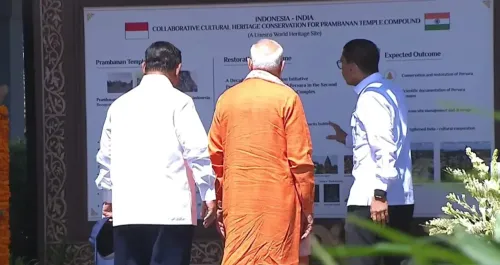
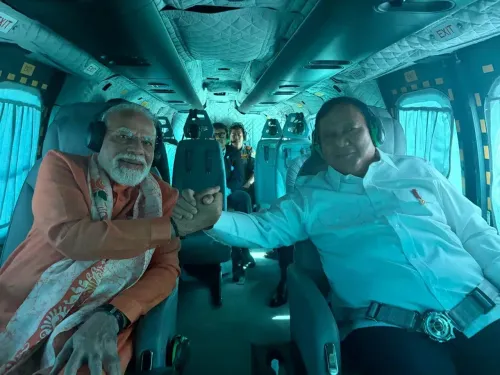
Prime Minister Narendra Modi on 8 July 2026 hailed the Prambanan Temple as a timeless symbol of India-Indonesia cultural ties, reaffirming New Delhi's commitment to partnering with Jakarta on heritage preservation under the Act East Policy framework.
Key Takeaways
PM Modi on 8 July 2026 publicly reaffirmed India's commitment to partnering with Indonesia in preserving the Prambanan Temple .
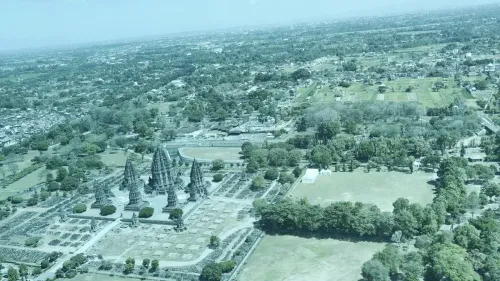
The Prambanan Temple complex in Central Java is a 9th-century UNESCO World Heritage Site dedicated to the Hindu Trimurti.
India upgraded its Look East Policy to the Act East Policy in 2014 , making cultural heritage cooperation with ASEAN nations an explicit priority.
India and Indonesia signed a Comprehensive Strategic Partnership in 2018 , encompassing cultural and people-to-people ties.
India's Project Mausam (2014) specifically targets reconnection with Indian Ocean nations, including Indonesia, through shared cultural history.
The next India-Indonesia Joint Commission Meeting on cultural cooperation is expected to produce further announcements on conservation funding and expert exchanges.
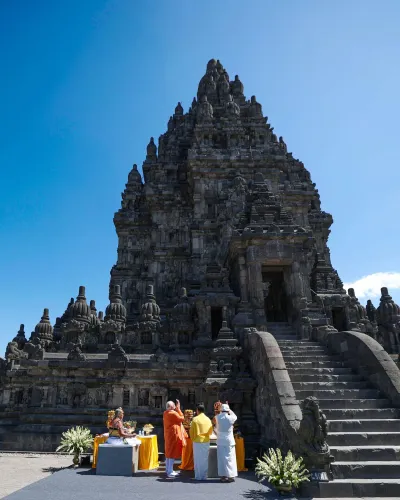
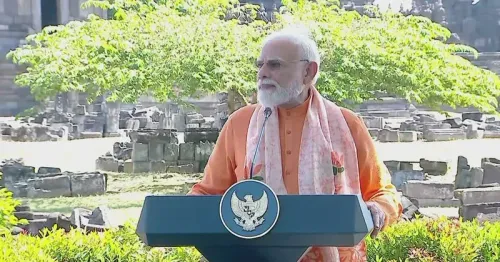
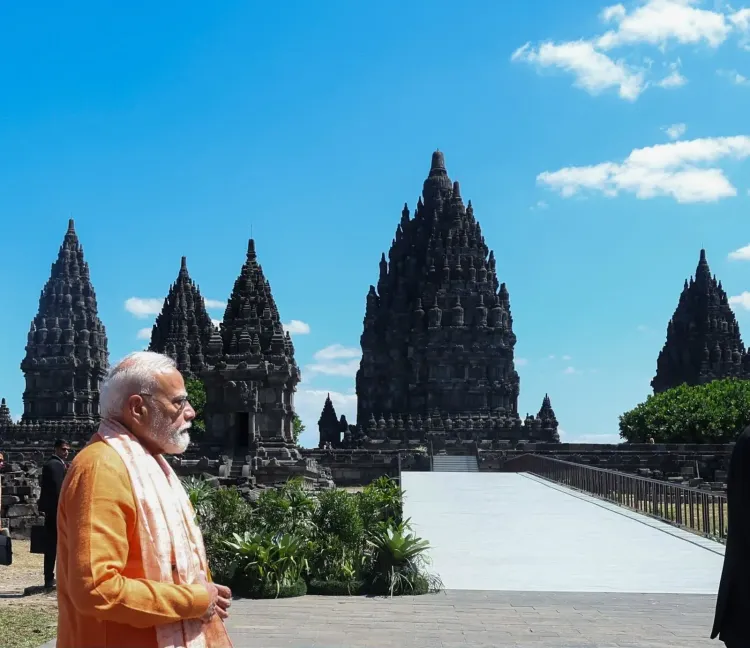
Prime Minister Narendra Modi on Wednesday, 8 July 2026, reaffirmed India's commitment to partnering with Indonesia in preserving the Prambanan Temple, calling the 9th-century Hindu complex a 'timeless symbol of our cultural and spiritual links' between the two nations.
Context
Responding on X, PM Modi wrote that 'preserving such heritage is about safeguarding the traditions that continue to inspire generations,' and described India as 'privileged to partner with Indonesia in this important endeavour.' The remarks underline the civilizational dimension of the bilateral relationship, one that predates modern diplomacy by more than a millennium.
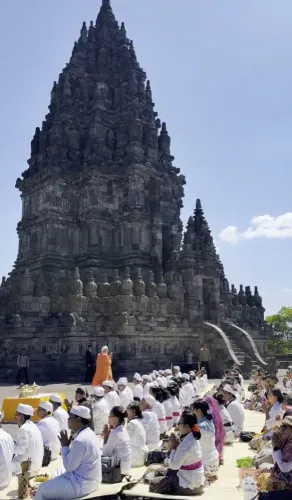
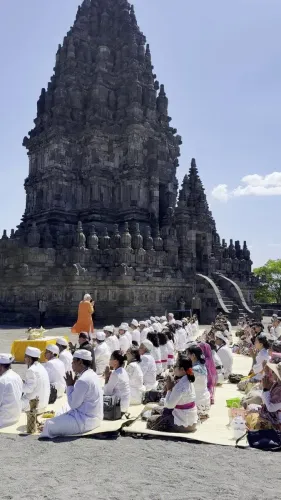
The Prambanan Temple complex, located in Central Java, Indonesia, is a UNESCO World Heritage Site dedicated to the Hindu Trimurti — Brahma, Vishnu, and Shiva. Built in the 9th century, it stands as one of the most prominent expressions of ancient Indian cultural influence across maritime Southeast Asia, including through the retelling of the Ramayana in Javanese artistic tradition.
Policy Backdrop
India's engagement with Indonesia on heritage conservation sits within a broader strategic architecture. When New Delhi upgraded its Look East Policy to the Act East Policy in 2014, cultural and heritage cooperation with ASEAN partners was made an explicit pillar alongside trade and defence. The two countries formalised a Comprehensive Strategic Partnership in 2018, which includes people-to-people and cultural tracks.
India also launched Project Mausam in 2014, an initiative to reconnect with Indian Ocean littoral nations — including Indonesia — through shared maritime and cultural history. Successive governments have supported the preservation of monuments such as Prambanan and Borobudur as instruments of soft power within the Indo-Pacific framework, running parallel to defence and trade dialogues.
Stakeholders and Impact
The partnership benefits heritage conservation bodies and archaeological institutions in both countries, as well as the tourism sectors of Central Java and broader Indonesia, which draw millions of visitors annually to the Prambanan complex. For India, the engagement reinforces its role as a cultural anchor for Hindu-Buddhist heritage across Southeast Asia.
People-to-people ties between the two nations carry particular resonance given that Indonesia is the world's largest Muslim-majority nation yet maintains a living pre-Islamic Hindu-Buddhist heritage — visible in art, dance, language, and public culture. PM Modi acknowledged this shared foundation, stating that 'as nations with deep cultural connections, India and Indonesia will continue to work together to celebrate our shared past while building an even stronger future.'
What's Next
Attention will now turn to the next India-Indonesia Joint Commission Meeting on cultural cooperation, where concrete announcements on joint conservation funding, expert exchanges, or restoration project timelines may follow. The diplomatic signal from PM Modi's post suggests that the cultural track will remain an active complement to the strategic and economic agenda between the two countries.
As India deepens its Indo-Pacific outreach, shared heritage sites like Prambanan are likely to feature more prominently in bilateral summits and multilateral cultural forums, reinforcing the argument that civilizational ties are as durable a foundation for partnership as any treaty.
Point of View
Using a UNESCO monument to signal continuity in India's soft-power strategy toward Southeast Asia. The statement reinforces the Act East Policy's civilizational dimension at a moment when Indo-Pacific alignments are under active renegotiation. By foregrounding shared Hindu-Buddhist heritage with the world's largest Muslim-majority nation, New Delhi is also projecting an inclusive, pre-colonial narrative of Asian connectivity. This cultural track, running alongside defence and trade dialogues, is increasingly central to how India builds durable influence in the ASEAN region.
NationPress
8 Jul 2026
Frequently Asked Questions
What is the Prambanan Temple and why is it significant for India?
The Prambanan Temple is a 9th-century Hindu temple complex in Central Java, Indonesia, dedicated to the Trimurti and listed as a UNESCO World Heritage Site. It is significant for India because it reflects the ancient spread of Indian cultural and religious influence across maritime Southeast Asia, and India has partnered with Indonesia in its preservation as part of its Act East Policy.
What did PM Modi say about Prambanan Temple on 8 July 2026?
PM Modi called the Prambanan Temple a 'timeless symbol of our cultural and spiritual links' with Indonesia and said India is 'privileged to partner with Indonesia' in preserving such heritage, adding that both nations would work together to celebrate their shared past while building a stronger future.
What is India's Act East Policy and how does it relate to Indonesia?
The Act East Policy, launched in 2014, upgraded India's earlier Look East Policy and made cultural, strategic, and economic engagement with ASEAN nations an explicit priority. Indonesia, as a key ASEAN member with deep Hindu-Buddhist heritage, is a central partner under this framework, including in heritage conservation efforts.
What is the India-Indonesia Comprehensive Strategic Partnership?
The Comprehensive Strategic Partnership was signed by India and Indonesia in 2018 and covers defence, trade, maritime security, and cultural cooperation, including people-to-people ties anchored in shared civilizational history.
What is Project Mausam and does it include Indonesia?
Project Mausam is an Indian government initiative launched in 2014 to reconnect India with Indian Ocean littoral nations through shared maritime and cultural history. Indonesia is among the countries included in the project, given centuries of maritime and cultural exchange between the two civilisations.