El Nino alert: Kharif sowing at 350.85 lakh hectares as monsoon deficit narrows to 24%
Synopsis
India's kharif sowing is running nearly 92 lakh hectares behind last year's pace, even as the monsoon deficit narrows from 33% to 24% in July. With El Nino in play and soybean and cotton sowing hit hardest, the government is banking on crop substitution, a 1.75-lakh-quintal seed reserve, and 1.24 lakh farmer outreach programmes to contain the damage.
Key Takeaways
Kharif sowing stands at 350.85 lakh hectares — 91.95 lakh hectares below last year's level for the same period.
India's monsoon deficit narrowed from 33% in June to 24% in July; rainfall-deficient districts fell from 262 to 178 .
Agriculture Minister Shivraj Singh Chouhan confirmed an extensive El Nino monitoring mechanism is active.
Farmers advised to switch to maize , bajra , and moong as soybean and cotton sowing faces delays.
Government holds a national seed reserve of 1.75 lakh quintals ; over 80 lakh farmers reached through Khet Bachao Abhiyan .
Kisan Credit Card campaign: 94,000+ applications approved out of 1.14 lakh received by 30 June .
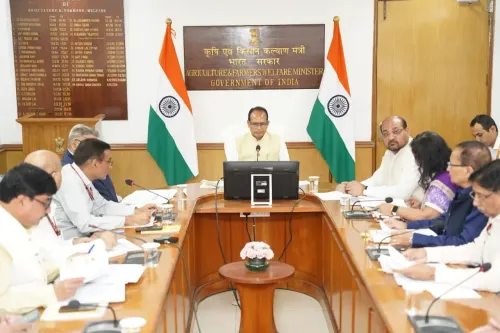
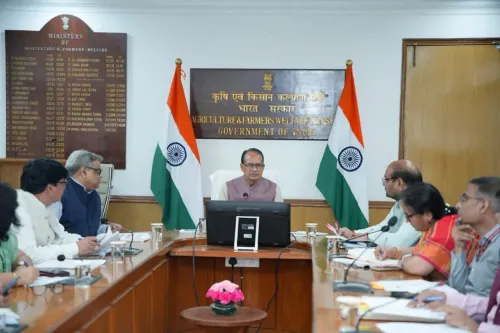
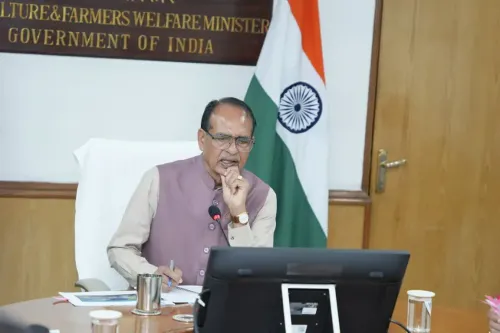
Agriculture Minister Shivraj Singh Chouhan on Wednesday said the government is closely tracking the potential impact of El Nino on Indian agriculture, with an extensive monitoring mechanism already in place. He added that rainfall is expected to gain further momentum through July, which should accelerate kharif sowing across the country.
Monsoon Deficit Narrows
After recording a 33 per cent rainfall deficit in June, the monsoon has shown measurable improvement in July, with the overall deficit narrowing to 24 per cent. The number of rainfall-deficient districts has declined from 262 to 178 as several parts of the country received good rainfall in recent days.
The government is closely monitoring conditions in Maharashtra, Madhya Pradesh, Gujarat, Uttar Pradesh, Rajasthan, Karnataka, Bihar, Jharkhand, Telangana, Andhra Pradesh, Punjab, West Bengal, and Odisha.
Kharif Sowing Progress
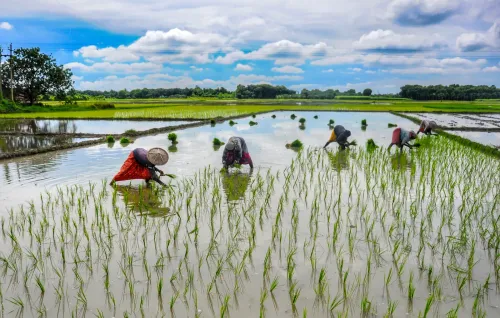
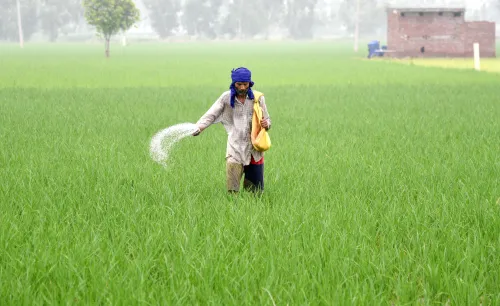
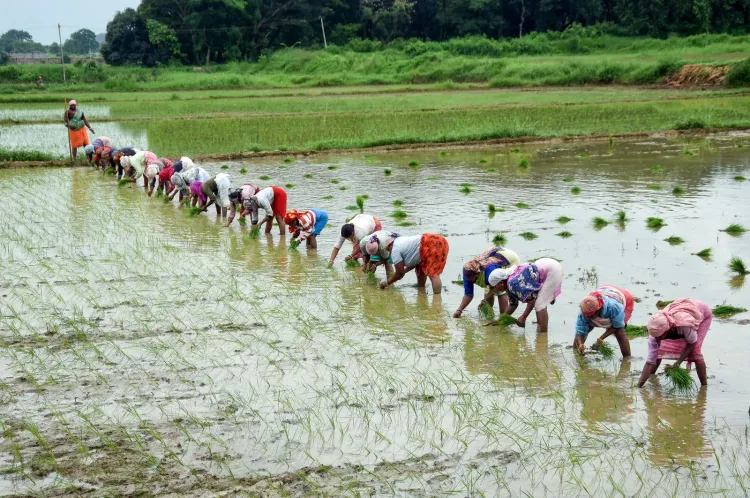
Kharif sowing has so far covered 350.85 lakh hectares — approximately 91.95 lakh hectares lower than the corresponding period last year. The delayed monsoon onset has particularly hit soybean and cotton sowing.
Farmers have been advised to shift to short-duration, low water-intensive crops such as maize, bajra, and moong to limit the impact of the delayed rains, Chouhan said.
Government Preparedness Measures
'While challenges remain, the entire system has been activated in advance and is working proactively to mitigate their impact,' the minister said. Under Prime Minister Narendra Modi, the Centre has put in place a clear strategy and strong ground-level action, he added.
In collaboration with the Indian Council of Agricultural Research (ICAR), contingency plans were prepared for at-risk districts and shared with state governments in advance. As part of the 'Khet Bachao Abhiyan' conducted in June, more than 1.24 lakh programmes were organised nationwide, directly reaching over 80 lakh farmers.
The government has also maintained a national seed reserve of approximately 1.75 lakh quintals, ensuring adequate supply under all scenarios.
Kisan Credit Card Push
The Kisan Credit Card campaign has been intensified, with more than 94,000 applications approved out of 1.14 lakh applications received by 30 June. Officials say the credit push is aimed at ensuring farmers have timely access to funds as sowing conditions improve.
With the monsoon deficit still significant and key crop-sowing windows narrowing, the government's ability to sustain ground-level outreach and seed availability will be critical in the weeks ahead.
Point of View
But maize and bajra cannot fully compensate for lost soybean and cotton acreage in terms of farmer income. The Khet Bachao Abhiyan's 1.24 lakh programmes sound impressive; the real metric is whether they translated into actual crop-switching on the ground. With 13 major states under watch and the critical July sowing window shrinking, the next two weeks will determine whether the deficit is manageable or consequential.
NationPress
8 Jul 2026
Frequently Asked Questions
What is El Nino and why is India monitoring it for agriculture?
El Nino is a periodic warming of the Pacific Ocean that typically suppresses monsoon rainfall over South Asia. India is monitoring it because a weaker monsoon directly reduces kharif crop sowing and threatens food production, particularly for rain-dependent crops like soybean and cotton.
How much has kharif sowing been affected this year?
Kharif sowing has reached 350.85 lakh hectares, which is approximately 91.95 lakh hectares lower than the corresponding period last year. The delayed monsoon onset is the primary reason, with soybean and cotton sowing the worst affected.
Has the monsoon deficit improved in July 2024?
Yes, the overall rainfall deficit has narrowed from 33% in June to 24% in July. The number of rainfall-deficient districts has also fallen from 262 to 178 as several regions received good rainfall in recent days.
What steps has the government taken to help farmers?
The government has organised over 1.24 lakh programmes under the Khet Bachao Abhiyan, reaching more than 80 lakh farmers. It has also maintained a national seed reserve of 1.75 lakh quintals, issued crop-substitution advisories, and intensified the Kisan Credit Card campaign, approving over 94,000 applications by 30 June.
Which states are under government watch due to the monsoon situation?
The Centre is monitoring conditions in 13 states: Maharashtra, Madhya Pradesh, Gujarat, Uttar Pradesh, Rajasthan, Karnataka, Bihar, Jharkhand, Telangana, Andhra Pradesh, Punjab, West Bengal, and Odisha.