Raj Thackeray slams turncoat politicians, warns self-respect sellout leaves 'living corpses'
Synopsis
Raj Thackeray didn't just attack rival politicians — he turned the mirror on his own party too. At an MNS meet spanning Mumbai, Thane, Pune, and Nashik, he alleged MPs are being bought for ₹50–100 crore, warned that selling self-respect creates 'living corpses,' and admitted MNS's street anger isn't reaching the ballot box. The speech is as much a course-correction memo as a political broadside.
Key Takeaways
MNS chief Raj Thackeray addressed party office-bearers from Mumbai, Thane, Pune, and Nashik on 20 June .
He targeted 'Operation Tiger' , which reportedly saw six of nine Shiv Sena (UBT) Lok Sabha MPs join the Shinde-led faction.
Thackeray alleged elected representatives are switching sides for ₹50 to ₹100 crore , calling it a betrayal of voters.
He raised concerns over the NEET paper leak , rising farmer and student suicides, and alleged human trafficking amid political horse-trading.
In a candid self-assessment, Thackeray admitted MNS agitations are not translating into votes and called for stronger booth-level organisation .
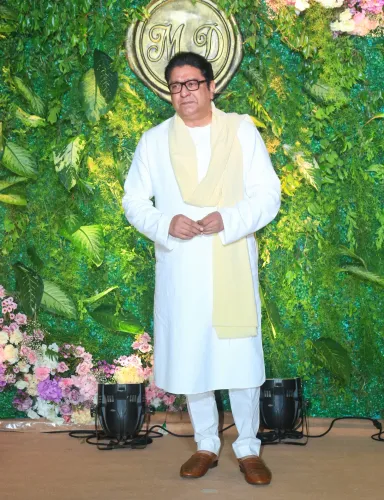
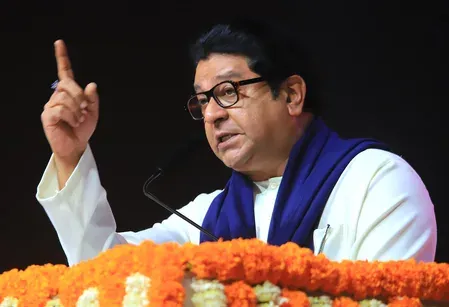
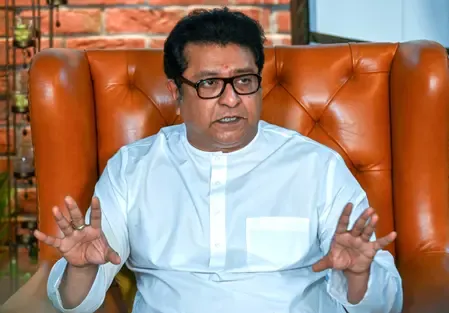
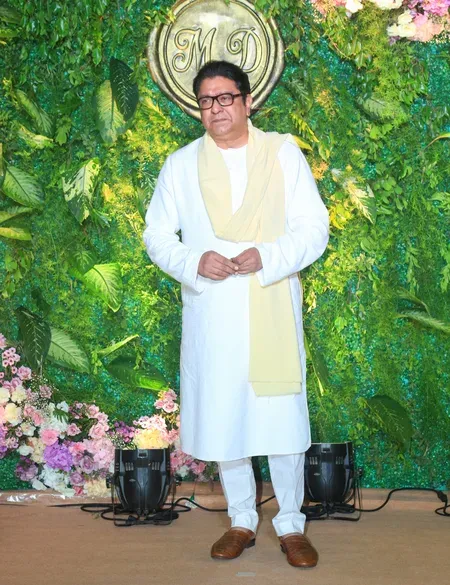
Maharashtra Navnirman Sena (MNS) chief Raj Thackeray on Saturday, 20 June launched a sharp attack on Maharashtra's political culture, targeting both the ruling dispensation and legislators who switch loyalties for money, warning that compromising self-respect leaves behind nothing but 'living corpses.' Speaking at a meeting of MNS office-bearers drawn from Mumbai, Thane, Pune, and Nashik, Thackeray questioned the moral legacy being shaped for future generations.
The Backdrop: Operation Tiger and Party Splits
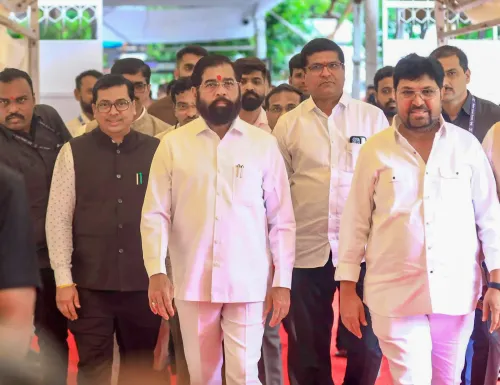
Thackeray's remarks came squarely in the context of 'Operation Tiger' — the political exercise attributed to the camp of Deputy Chief Minister and Shiv Sena chief Eknath Shinde — which triggered a split within the Shiv Sena (Uddhav Balasaheb Thackeray) parliamentary group. According to reports, six of its nine Lok Sabha MPs crossed over to the Shinde-led faction as a result. Thackeray used this episode as the centrepiece of his critique, arguing that the repeated fracturing of political parties has corroded democratic norms in the state.
Voters Betrayed for Crores, Thackeray Alleges
Addressing voters directly, Thackeray drew a stark contrast between the sacrifices of ordinary citizens and the conduct of their elected representatives. 'Citizens stand in long queues for two, three, or even five hours in the scorching sun just to cast their votes. Yet, the person they elect sells out for ₹50 to ₹100 crore,' he said.
He questioned whether voters would continue to re-elect such turncoats and warned that the value of the public mandate had been 'reduced to absolute zero.' He also criticised political leaders for prioritising defection operations over pressing crises — including a drought-like situation in parts of Maharashtra and rising suicide rates among farmers and students.
NEET Leaks and Human Trafficking Enter the Frame
Thackeray broadened his attack to include the NEET examination paper leak controversy, noting that MNS had opposed the centralised implementation of the test 'right from the very beginning.' He further alleged that while politicians were ferrying legislators to luxury resorts to prevent defections, the country was witnessing an alarming rise in human trafficking involving children and women. 'When these mammoth challenges are staring the country in the face, the priority remains pouring hundreds of crores of rupees into breaking opposition parties,' he alleged.
MNS Turns the Mirror on Itself
In a candid departure from pure opposition critique, Thackeray acknowledged the MNS's own electoral limitations. He noted that despite strong street-level agitations and public outreach, 'that anger does not translate into the ballot box.' He urged party functionaries to focus on booth-level organisation and rigorous scrutiny of voter lists, citing political reversals in Bihar and West Bengal as cautionary examples of what poor electoral management costs.
'Everyone wants to become an MLA, an MP, or a corporator, but our oversight on voter lists costs us five valuable years at a time,' he observed, calling for sharper grassroots preparation as the foundation for any future electoral success.
What Comes Next
Thackeray's address signals that MNS intends to position itself as the voice of political accountability in Maharashtra ahead of future electoral cycles. Whether the party can convert its rhetorical energy into booth-level organisation — the gap Thackeray himself identified — will determine if this meeting marks a turning point or remains a rallying cry without electoral consequence.
Point of View
Part internal audit. The 'living corpses' line will dominate headlines, but the more consequential admission is that MNS cannot convert public anger into votes. That gap — between street presence and ballot penetration — has defined MNS for over a decade. Targeting Operation Tiger is legitimate political commentary, but Thackeray's own party has not won significant legislative representation in years. The real question Maharashtra's political watchers should ask is whether this meeting produces structural reform in MNS's booth management or simply another memorable speech. On the broader defection critique, Thackeray is on solid ground: the ₹50–100 crore allegation, if substantiated, represents a democratic accountability failure that goes well beyond party rivalry.
NationPress
19 Sept 2026
Frequently Asked Questions
What did Raj Thackeray say about turncoat politicians on 20 June?
MNS chief Raj Thackeray alleged that politicians are switching parties for ₹50 to ₹100 crore, reducing the value of voters' mandates to 'absolute zero.' He warned that compromising self-respect for power leaves behind only 'living corpses,' and questioned whether voters would re-elect such representatives.
What is 'Operation Tiger' and why did Thackeray criticise it?
Operation Tiger is a political exercise attributed to Deputy Chief Minister Eknath Shinde's camp, which reportedly resulted in six of nine Shiv Sena (UBT) Lok Sabha MPs joining the Shinde-led faction. Thackeray cited it as a prime example of the defection culture corroding Maharashtra's democratic norms.
What other issues did Raj Thackeray raise at the MNS meeting?
Beyond defections, Thackeray raised concerns about a drought-like situation in Maharashtra, rising farmer and student suicides, the NEET examination paper leak, and alleged human trafficking. He argued these crises were being ignored while hundreds of crores were spent on poaching legislators.
What did Thackeray admit about MNS's own electoral performance?
Thackeray candidly acknowledged that despite strong public agitations, MNS's anger is not translating into votes at the ballot box. He called on party workers to focus on booth-level organisation and detailed scrutiny of voter lists, citing Bihar and West Bengal as examples of what poor electoral management costs.
Who attended the MNS meeting addressed by Raj Thackeray?
The meeting was attended by MNS office-bearers from Mumbai, Thane, Pune, and Nashik. Thackeray used the gathering to critique Maharashtra's political culture and outline internal reforms needed for the party to improve its electoral performance.