Rajasthan CM Bhajan Lal Champions JAM Trinity and GST Reforms
Synopsis
Rajasthan CM Bhajan Lal Sharma champions Digital India, GST, and the JAM trinity of Jan Dhan, Aadhaar, and Mobile as the twin engines reshaping economic administration and financial inclusion, positioning Rajasthan as a committed participant in India's post-2014 governance transformation.
Key Takeaways
The Chief Minister's Office of Rajasthan credited Digital India and GST with giving new direction to economic and administrative processes.
The JAM trinity — Jan Dhan accounts, Aadhaar, and Mobile — was highlighted as the foundation of financial inclusion and Direct Benefit Transfer.
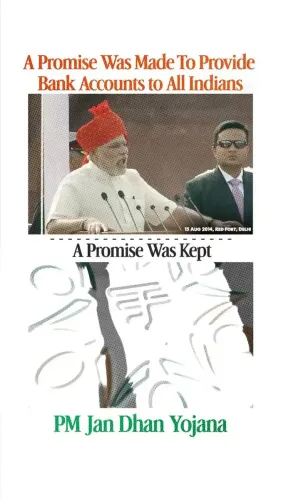
Pradhan Mantri Jan Dhan Yojana was launched in August 2014 to extend banking access to unbanked households across India.
GST came into force on 1 July 2017 , replacing multiple indirect levies with a unified national tax system.
CM Bhajan Lal Sharma has led Rajasthan's BJP government since December 2023 , aligning state administration with national digital governance frameworks.
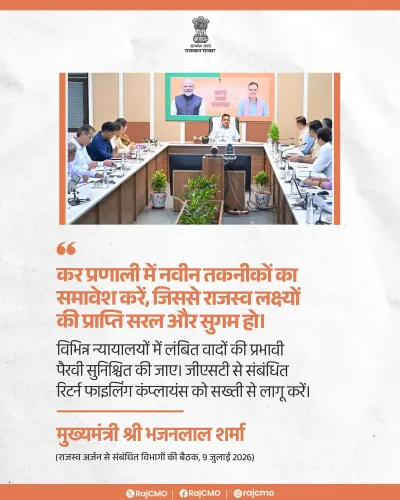
India's twin pillars of economic modernisation — Digital India and GST — have reshaped how governance reaches citizens, and Rajasthan's Chief Minister is making sure his state stands squarely behind that transformation. The Chief Minister's Office of Rajasthan, amplifying the voice of Chief Minister Bhajan Lal Sharma, posted on Wednesday, 14 October 2026 crediting these landmark frameworks for giving new direction to economic and administrative processes — and saluting the JAM trinity for fortifying financial inclusion.
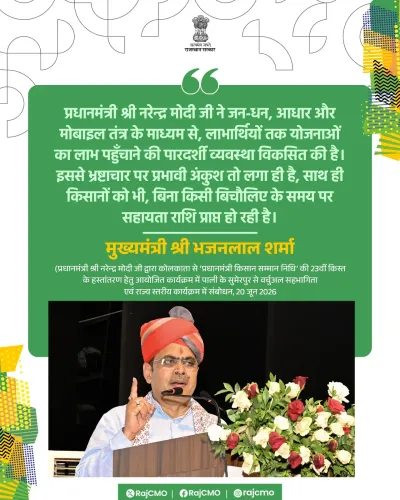
The post, shared under the hashtag #आपणो_अग्रणी_राजस्थान ('Our Forward-Looking Rajasthan'), states in Hindi: 'Digital India and GST have given new direction to economic and administrative processes, and the trio of Jan Dhan accounts, Aadhaar, and Mobile has strengthened financial inclusion and Direct Benefit Transfer.'
What the JAM Trinity Actually Changed
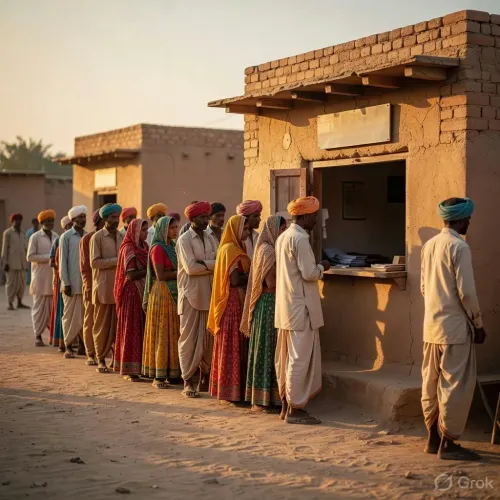
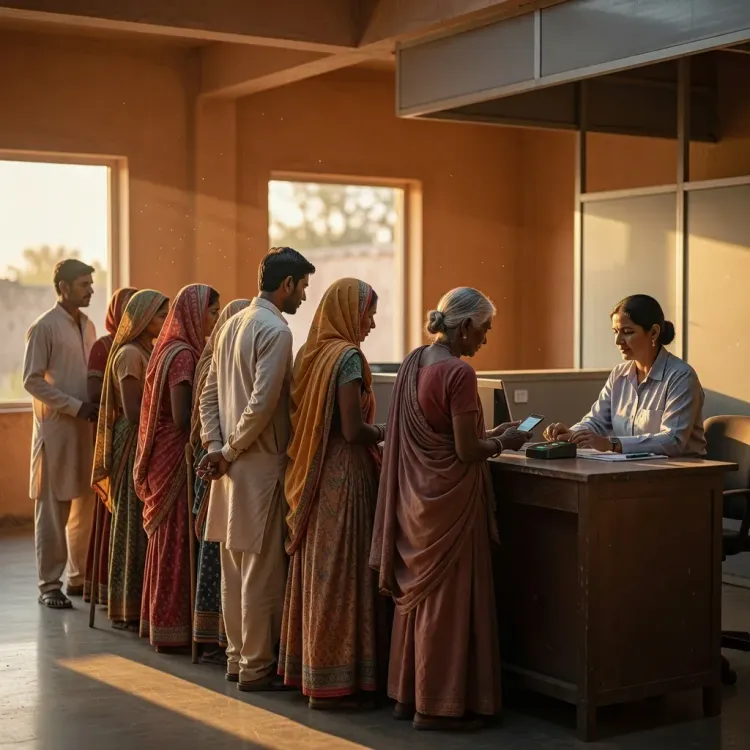
The three-part 'JAM' architecture — Jan Dhan, Aadhaar, and Mobile — was not built overnight. Pradhan Mantri Jan Dhan Yojana, launched in August 2014, cracked open banking access for millions of unbanked households across India. Aadhaar, the biometric unique identity system rolled out by the UIDAI, gave those accounts a verifiable anchor. And mobile connectivity stitched the two together, making real-time, paperless transactions possible at the last mile. The result: a Direct Benefit Transfer framework expanded from 2013 onward that routes welfare payments, subsidies, and scheme disbursements directly into beneficiaries' accounts — cutting out intermediaries and the leakages they invited. For a state like Rajasthan, with vast rural stretches and a historically dispersed welfare load, that plumbing matters enormously.GST and Digital India: The Administrative Backbone
Digital India, launched in July 2015, set the infrastructure ambition — electronic service delivery, connected districts, digitised records. GST, which came into force on 1 July 2017, collapsed a labyrinthine web of central and state levies into a single unified indirect tax, simplifying compliance for businesses and tightening the state's revenue visibility. Together, the two programmes changed not just how taxes are collected but how government itself is structured — pushing departments toward data-driven administration and away from paper-file discretion. CM Bhajan Lal Sharma's endorsement signals that Rajasthan's BJP-led government, in power since December 2023, is consciously aligning state machinery with these national frameworks as a governance benchmark.Rajasthan's Alignment With the National Reform Arc
The hashtag 'Aapno Agrani Rajasthan' — 'Our Forward-Leading Rajasthan' — is more than a slogan. It frames the state's identity around progress, and citing Digital India, GST, and JAM in the same breath is a political positioning choice: Rajasthan under this government belongs to the reform story, not outside it. Watch for state budget announcements and policy rollouts that layer Rajasthan-specific DBT-linked schemes on top of this national architecture — that is where the rhetoric will be tested against delivery.Point of View
GST, and the JAM trinity is a deliberate alignment of Rajasthan's brand with the central government's post-2014 governance narrative — reinforcing BJP continuity across the state-centre relationship. By invoking the JAM architecture, the CM implicitly benchmarks his government's delivery credentials against a framework that is measurable and citizen-visible. The post also signals intent ahead of potential budget or scheme announcements, where DBT-linked programmes would need this ideological scaffolding in place. Politically, it positions Rajasthan as a reform-oriented state within the broader BJP ecosystem, not merely a follower but an articulate champion of the national reform arc.
NationPress
14 Oct 2026
Frequently Asked Questions
What is the JAM trinity in India?
The JAM trinity refers to Jan Dhan bank accounts, Aadhaar biometric identity, and Mobile connectivity — three systems combined by the Indian government to enable direct, leakage-free delivery of subsidies and welfare payments to citizens.
When was GST implemented in India?
GST, or Goods and Services Tax, was implemented across India on 1 July 2017 , replacing a complex web of central and state indirect taxes with a single unified system.
What is Digital India and when was it launched?
Digital India is a national programme launched in July 2015 to build digital infrastructure and enable electronic delivery of government services to citizens.
Who is Bhajan Lal Sharma and which party does he represent?
Bhajan Lal Sharma is the Chief Minister of Rajasthan, representing the BJP, and has held the post since December 2023 .
How does Direct Benefit Transfer work in India?
Direct Benefit Transfer routes welfare payments and subsidies directly into beneficiaries' Aadhaar-linked Jan Dhan bank accounts via mobile-enabled authentication, cutting out intermediaries and reducing leakages — a framework expanded from 2013 onward .