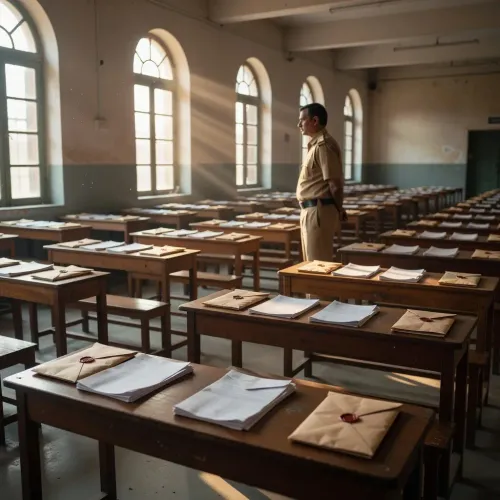
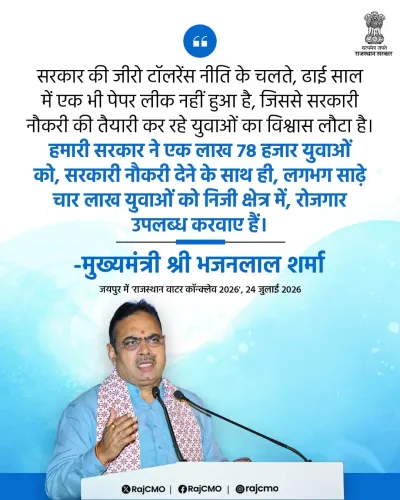
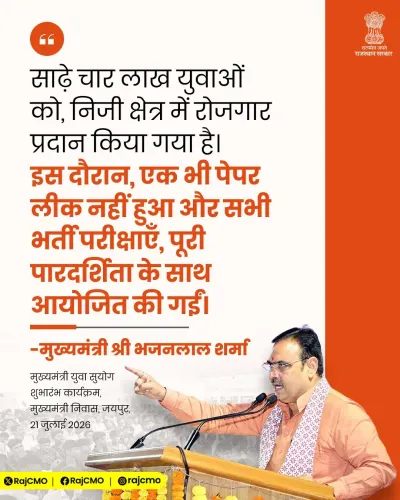
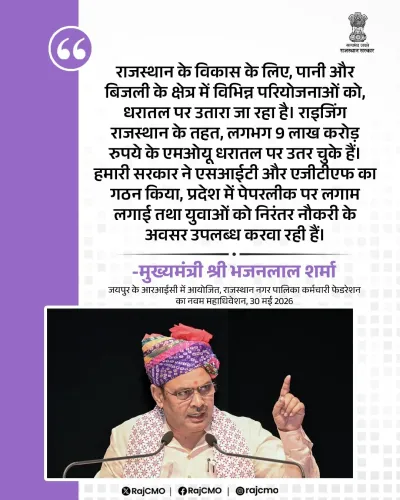
Rajasthan CM Bhajanlal Forms SIT to Prosecute Paper Leak Accused
Synopsis
The Chief Minister's Office of Rajasthan announced on 19 August 2026 that the state government has constituted an SIT to prosecute those responsible for paper leaks, with CM Bhajanlal Sharma personally tagged in the declaration.
Key Takeaways
The Rajasthan government constituted a Special Investigation Team (SIT) specifically to prosecute paper leak accused.
The announcement was made by the Chief Minister's Office of Rajasthan on 19 August 2026 .
Chief Minister Bhajanlal Sharma was directly tagged, placing personal accountability on the SIT's outcomes.
Rajasthan has a documented history of exam fraud, including the 2021 REET paper leak that led to mass cancellations and protests.
SITs bypass routine police hierarchies, enabling faster, coordinated action across jurisdictions.
Broader legislation on exam security and further arrests remain the key developments to watch.
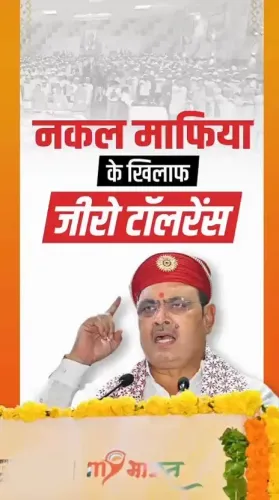
Rajasthan's government has drawn a hard line on exam fraud — constituting a Special Investigation Team (SIT) with a single, unambiguous mandate: put the perpetrators of paper leaks behind bars. The Chief Minister's Office of Rajasthan announced the move on Wednesday, 19 August 2026, tagging Chief Minister Bhajanlal Sharma directly in the post under the hashtag #आपणो_अग्रणी_राजस्थान ('Our Leading Rajasthan').
What the SIT Is Tasked to Do
The government's post stated plainly: 'हमारी सरकार ने पेपर लीक के दोषियों को सलाखों के पीछे पहुँचाने के लिए, एसआईटी का गठन किया' — 'Our government has constituted an SIT to put the guilty in paper leaks behind bars.' The language is deliberate. Not 'investigate', not 'look into' — bars. The framing signals a prosecution-first approach, not merely an inquiry.
SITs in India are state-constituted bodies that bypass routine police hierarchies, allowing faster evidence-gathering and coordinated arrests across jurisdictions. Their use in high-stakes cases — organised crime, riots, financial fraud — reflects the seriousness with which a government wants to be seen treating a problem.
Rajasthan's Long Reckoning With Exam Fraud
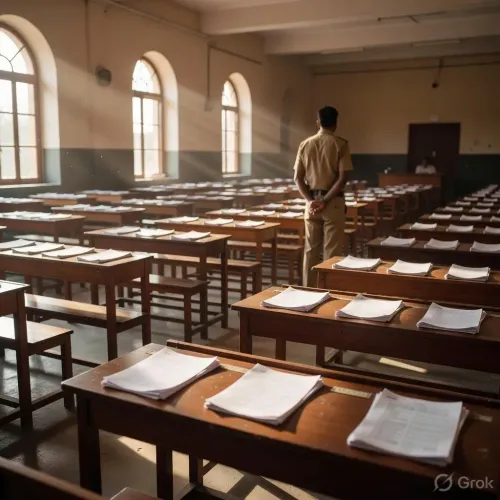
This is not Rajasthan's first encounter with the crisis. The 2021 REET (Rajasthan Eligibility Examination for Teachers) paper leak forced authorities to cancel the entire test, triggering a wave of arrests and months of street protests by hundreds of thousands of candidates who had spent years preparing. The damage was not just administrative — it was a gut-punch to a generation of aspirants who had staked livelihoods on a single exam.
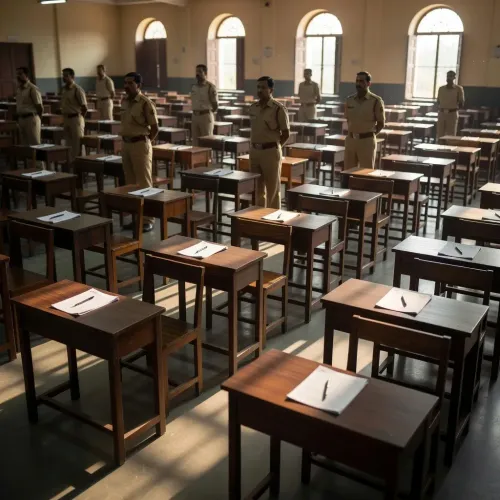
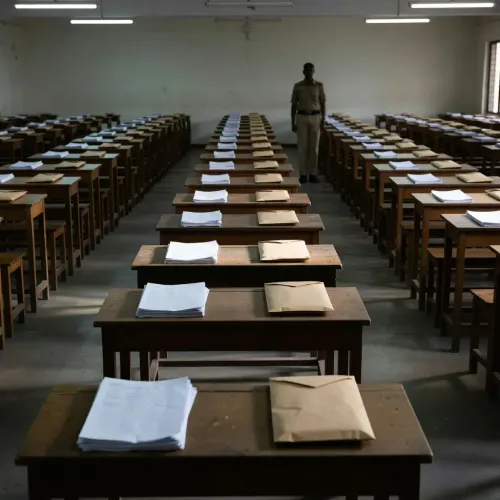
Across India, organised paper-leak networks have become a recurring scandal, exploiting gaps in exam logistics, digital infrastructure, and insider access. States including Rajasthan have repeatedly formed SITs, tightened penalties, and debated central legislation on exam security — yet the networks have proven resilient. Each new leak renews pressure on governments to demonstrate decisive action.
Bhajanlal Sharma's Accountability Signal
Chief Minister Bhajanlal Sharma, who took office in December 2023 as the BJP's choice to lead Rajasthan, has positioned exam integrity as a governance priority. By being tagged personally in this announcement, Sharma places his credibility alongside the SIT's performance. If the team delivers arrests and charge-sheets, it becomes a campaign-ready proof point. If it stalls, the accountability loop runs directly back to the Chief Minister's chair.
The real test now is what comes after the formation notice — arrests, charge-sheets, and whether new legislation follows to close the structural gaps that make leaks possible in the first place.
Point of View
Aspirational voters preparing for competitive recruitment. By tagging CM Bhajanlal Sharma personally, the CMO ties his political capital directly to the SIT's results, raising the stakes beyond routine bureaucratic action. This fits a national BJP pattern of deploying high-visibility investigative bodies to project decisiveness on law-and-order issues. The real political test, however, is whether the SIT produces convictions — not just arrests — before the next electoral cycle.
NationPress
19 Aug 2026
Frequently Asked Questions
Why has the Rajasthan government formed an SIT for paper leaks?
The Rajasthan government constituted the SIT specifically to investigate and prosecute those found guilty of leaking question papers in competitive examinations, aiming to ensure culprits face criminal consequences.
What is an SIT and how is it different from regular police investigation?
A Special Investigation Team (SIT) is a dedicated body constituted by a state government to probe specific serious cases. It operates outside routine police hierarchies, enabling faster evidence-gathering, multi-jurisdictional coordination, and focused prosecution.
What is the history of paper leaks in Rajasthan?
Rajasthan has faced multiple exam fraud incidents, most notably the 2021 REET (Rajasthan Eligibility Examination for Teachers) paper leak that forced cancellation of the entire exam and triggered large-scale protests by candidates.
Who is Bhajanlal Sharma and what is his role in this?
Bhajanlal Sharma is the Chief Minister of Rajasthan, serving since December 2023. He was directly tagged in the CMO's announcement, signalling his personal accountability for the SIT's outcomes.
What happens next after the SIT is formed in the Rajasthan paper leak case?
Key developments to watch include arrests of accused, filing of charge-sheets, and whether the state government introduces new legislation to tighten exam security and prevent future leaks.