Rajasthan CM Bhajanlal Ties Heritage to Jobs via Modi's Vision
Synopsis
The Chief Minister's Office of Rajasthan invoked PM Narendra Modi's 'Vikas bhi, Virasat bhi' vision on 25 October 2026, stating that CM Bhajanlal Sharma's government is preserving the state's rich heritage while simultaneously generating new employment opportunities through tourism linkages.
Key Takeaways
The Rajasthan CMO posted on 25 October 2026 aligning state heritage policy with PM Narendra Modi 's 'Vikas bhi, Virasat bhi' vision.
The government is framing heritage conservation and tourism-led employment as a single, unified mandate rather than competing goals.
Chief Minister Bhajanlal Sharma is directly tagged, signalling personal ownership of the heritage-tourism push.
Central schemes PRASAD and HRIDAY , active since 2014 , have provided infrastructure support to heritage tourism in Rajasthan.
Rajasthan 's BJP governments have pursued the heritage-as-economic-asset approach consistently since 2013 .
Local communities, tourism sector workers and artisans are the primary intended beneficiaries of the employment creation drive.
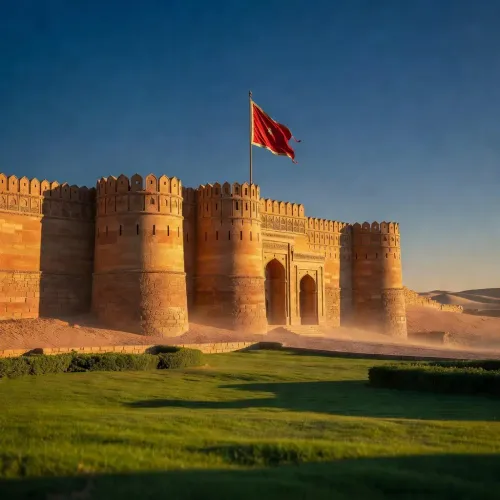
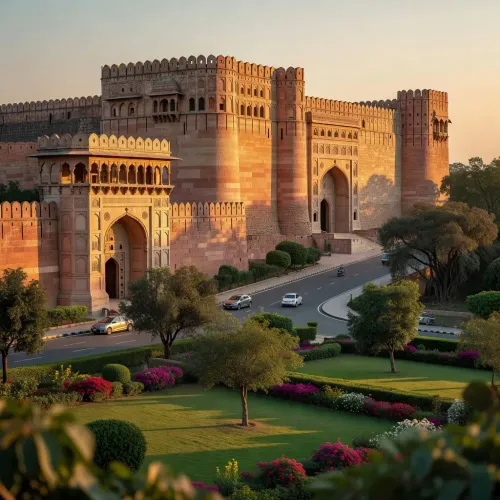
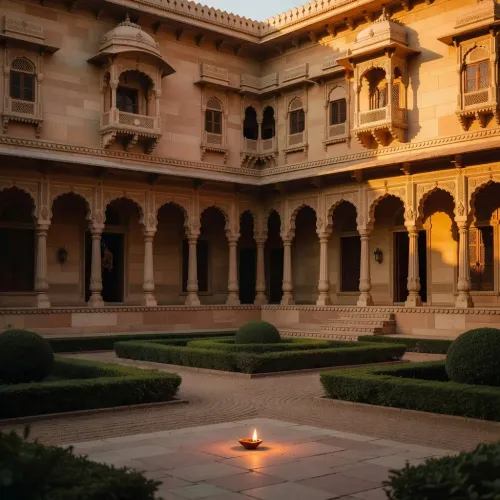
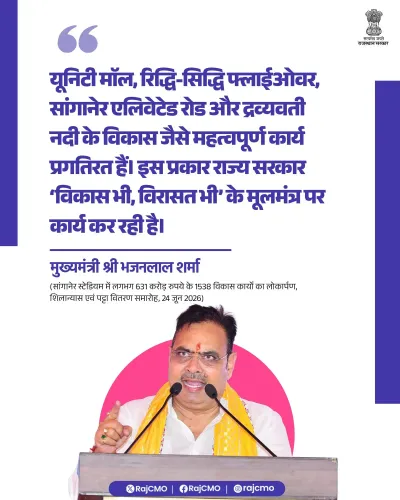
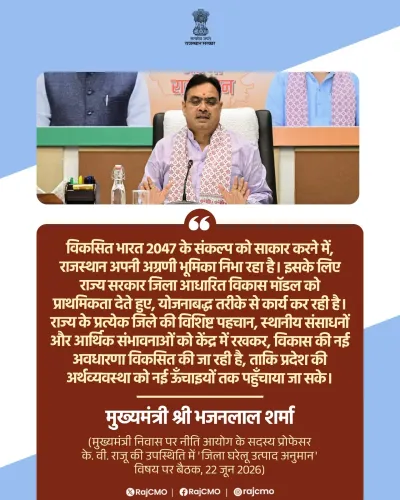
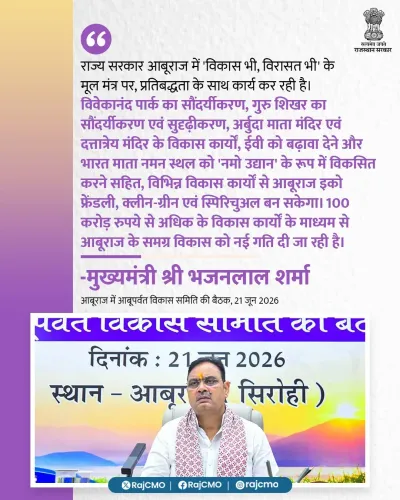
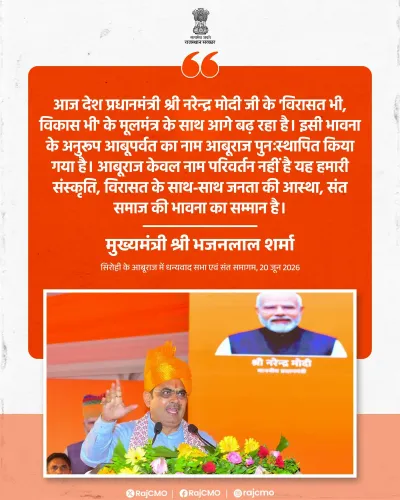
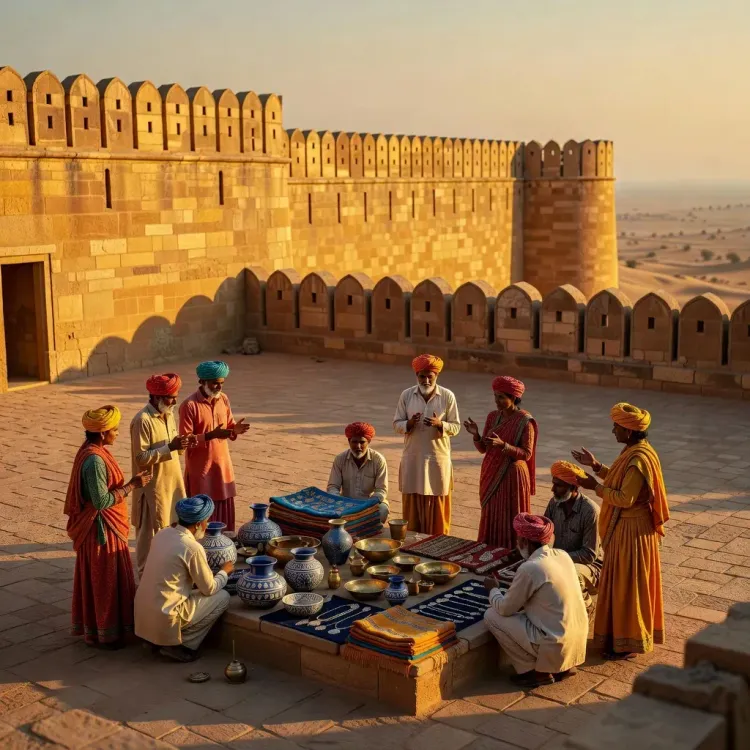
Rajasthan's ancient forts and palaces are being turned into engines of employment — and the state government wants you to know exactly whose vision is driving that shift. On Sunday, 25 October 2026, the Chief Minister's Office of Rajasthan posted on X, invoking Prime Minister Narendra Modi's dual-track philosophy of 'Vikas bhi, Virasat bhi' ('Development as well as Heritage') to signal that the Bhajanlal Sharma-led administration is actively converting the state's cultural wealth into livelihood opportunities.
The post states that in accordance with PM Modi's vision, 'the state government is not only preserving this heritage but also creating new employment opportunities by linking it to tourism.' The framing is deliberate: heritage conservation and economic growth are presented not as competing priorities but as a single, mutually reinforcing mandate.Modi's 'Vikas bhi, Virasat bhi' — the national frame behind the state push
The phrase 'Vikas bhi, Virasat bhi' has become a signature plank of the central government's cultural-economic policy, positioning India's historical sites as assets rather than liabilities. Rajasthan, with its extraordinary density of Mughal-era monuments, Rajput forts, step-wells and temple complexes, sits at the heart of this argument. The state consistently ranks among India's top tourism destinations, making it a natural showcase for the philosophy that preservation and prosperity can coexist.
The Centre has backed this approach through schemes such as PRASAD (Pilgrimage Rejuvenation and Spiritual, Heritage Augmentation Drive) and HRIDAY (Heritage City Development and Augmentation Yojana), both launched in 2014, which have channelled infrastructure investment into heritage circuits across the country, including sites in Rajasthan.
Bhajanlal Sharma's government and the BJP's heritage-tourism playbook
Rajasthan's current BJP administration, led by Chief Minister Bhajanlal Sharma, is the latest iteration of a political approach the party has consistently pursued in the state since 2013: treating cultural assets as economic resources while maintaining conservation mandates. The logic is straightforward — local communities living near heritage sites are among the first beneficiaries when footfall rises, through hospitality, artisanship, guiding and allied services.
By tagging @BhajanlalBjp directly and anchoring the message to the national hashtag #आपणो_अग्रणी_राजस्थान ('Our Foremost Rajasthan'), the CMO is stitching together a state-level identity narrative with a nationally recognisable ideological brand — a communication choice as deliberate as the policy itself.
The real test of this alignment will come in state budget allocations and new tourism-circuit announcements — whether the rhetoric translates into specific rupee commitments to identifiable sites and the communities around them.
Point of View
Virasat bhi' frame — to legitimise and amplify local policy choices. By anchoring a state-level tourism-employment narrative to a prime-ministerial vision, the Bhajanlal Sharma government simultaneously courts central goodwill and projects ideological coherence to its own voters. The move fits a broader BJP pattern across heritage-rich states: converting cultural identity into a tangible economic argument, reducing the political risk of conservation spending by tying it directly to job numbers. The question is whether budget allocations and site-specific announcements will follow, turning a compelling communication frame into measurable outcomes for communities living around Rajasthan's monuments.
NationPress
25 Oct 2026
Frequently Asked Questions
What is PM Modi's 'Vikas bhi, Virasat bhi' vision?
'Vikas bhi, Virasat bhi' — meaning 'Development as well as Heritage' — is Prime Minister Narendra Modi's policy philosophy that treats India's historical and cultural sites as economic assets, arguing that preservation and growth must advance together rather than in opposition.
How is the Rajasthan government linking heritage to employment?
According to the Chief Minister's Office, the Bhajanlal Sharma-led government is preserving heritage sites while connecting them to tourism infrastructure, thereby creating new livelihood opportunities for local communities in hospitality, artisanship, guiding and allied services.
What central government schemes support heritage tourism in Rajasthan?
The Centre's PRASAD (Pilgrimage Rejuvenation and Spiritual, Heritage Augmentation Drive) and HRIDAY (Heritage City Development and Augmentation Yojana) schemes, both launched in 2014, have channelled infrastructure funding into heritage circuits across India, including sites in Rajasthan.
Who is Bhajanlal Sharma and what is his role in Rajasthan's heritage policy?
Bhajanlal Sharma is the Chief Minister of Rajasthan under the BJP government. His administration has been positioned as the implementer of Modi's heritage-development vision, with the CMO's post tagging him directly to signal his personal ownership of the initiative.
What does the hashtag Aapno Agrani Rajasthan mean?
The Hindi hashtag #आपणो_अग्रणी_राजस्थान translates to 'Our Foremost Rajasthan' and is used by the state government's official communications to project a pride-of-place identity narrative for the state.