Rajasthan CM Bhajanlal Hails Somnath as Symbol of India's Spiritual Heritage
Synopsis
The Rajasthan Chief Minister's Office, in a post attributed to CM Bhajanlal Sharma, described Indian culture as eternal and unparalleled and called Somnath Temple the symbol of the nation's spiritual heritage — continuing BJP's pattern of invoking iconic shrines to assert civilisational continuity.
Key Takeaways
The Rajasthan CMO posted on June 6, 2026 , attributing the statement to CM Bhajanlal Sharma .
The post describes Indian culture as 'eternal, indelible, and unparalleled' and calls Somnath Temple the symbol of India's spiritual heritage.
Somnath Temple in Gujarat is one of the twelve Jyotirlinga shrines and was reconstructed post-independence under Sardar Vallabhbhai Patel's leadership, inaugurated in May 1951 .
Both Rajasthan and Gujarat are BJP-governed states that have coordinated messaging on shared Hindu heritage sites.
The statement aligns with a broader BJP pattern since 2014 of invoking iconic temples to articulate civilisational revival narratives.
Analysts will watch for follow-up policy moves such as joint pilgrim circuits or heritage tourism budget announcements.
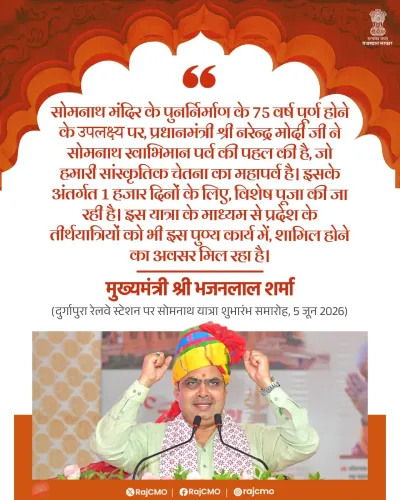
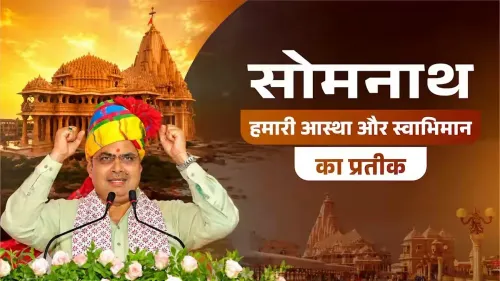
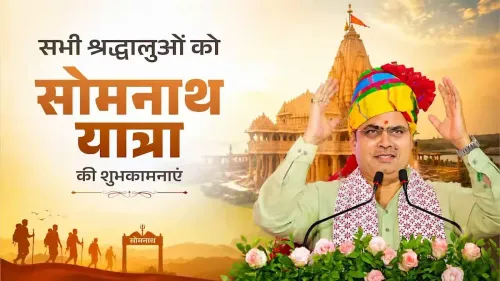
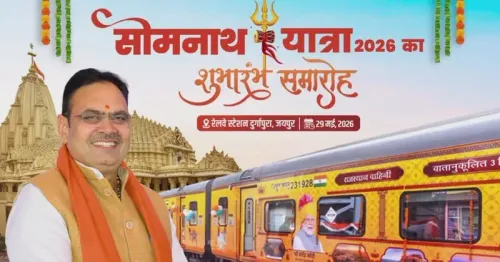
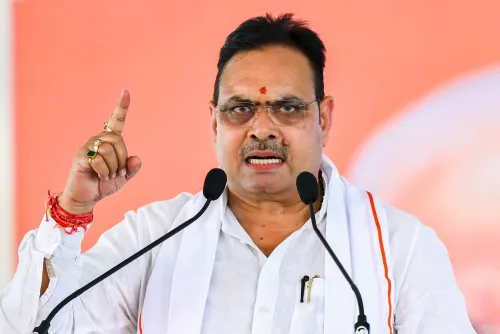
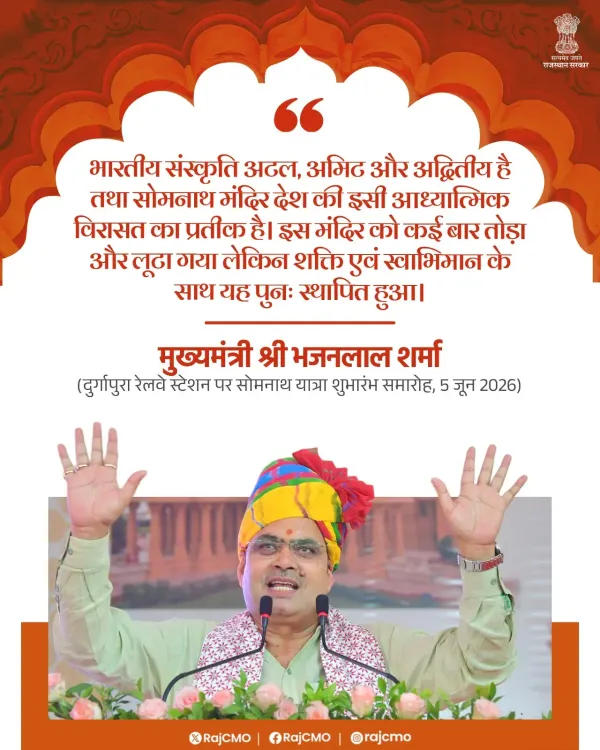
The Chief Minister's Office of Rajasthan on Saturday, June 6, 2026, posted a tribute to Somnath Temple, calling Indian culture 'eternal, indelible, and unparalleled' and describing the ancient shrine as an emblem of the country's spiritual legacy — a message attributed to Chief Minister Bhajanlal Sharma.
Context
The post, shared under the hashtag #आपणो_अग्रणी_राजस्थान ('Our Leading Rajasthan'), states: 'Bharatiya sanskriti atal, amit aur advitiya hai tatha Somnath Mandir desh ki isi adhyatmik virasat ka pratik hai' — 'Indian culture is eternal, indelible, and unparalleled, and Somnath Temple is the symbol of this very spiritual heritage of the nation.' The message was posted directly from the official Rajasthan CMO handle and tagged CM Bhajanlal Sharma's personal account.
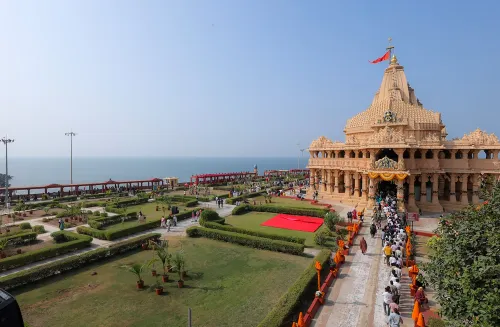
Somnath Temple, located in Gujarat, is one of the twelve Jyotirlinga shrines dedicated to Lord Shiva. It holds a singular place in Indian cultural memory as a site that was repeatedly attacked and destroyed by medieval invaders and each time rebuilt by successive rulers and devotees.
Policy Backdrop
The temple's modern restoration carries deep political and historical significance. Sardar Vallabhbhai Patel spearheaded its post-independence reconstruction, and the rebuilt shrine was inaugurated in May 1951 — the first major temple restoration in independent India. That act has since been invoked by successive governments as proof of the Indian state's commitment to reclaiming its civilisational identity.
Since 2014, BJP-governed states have consistently referenced iconic temples in public messaging to articulate a narrative of civilisational continuity and cultural revival. Rajasthan and Gujarat — both under BJP rule — have increasingly coordinated on shared Hindu heritage sites, reinforcing interstate cultural linkages and promoting domestic pilgrimage tourism.
Stakeholders and Impact
The statement resonates with a broad constituency: millions of pilgrims who visit Somnath annually, the heritage and religious tourism sectors of both Rajasthan and Gujarat, and BJP's core voter base that views temple restoration as a civilisational milestone. Statements of this kind also signal policy intent to cultural bodies, tourism boards, and state heritage departments.
For Rajasthan, invoking Somnath — a Gujarat shrine — underscores a wider BJP strategy of building a pan-India Hindu heritage corridor that cuts across state boundaries, potentially encouraging joint pilgrim circuits and shared tourism infrastructure between the two states.
What's Next
Observers will watch whether this messaging precedes any formal announcement — such as a Rajasthan-Gujarat joint pilgrimage circuit, enhanced heritage tourism budgets in upcoming assembly sessions, or a high-profile visit by CM Bhajanlal Sharma to Somnath. The broader BJP pattern suggests such symbolic statements are often followed by policy or infrastructure announcements tied to religious tourism.
Point of View
Reinforcing the idea of a unified Hindu cultural geography that transcends administrative boundaries. With both states under BJP governance, such statements can quickly translate into coordinated policy, making this more than ceremonial rhetoric. The timing and hashtag suggest this is part of a sustained 'Leading Rajasthan' branding effort ahead of potential policy or electoral cycles.
NationPress
22 Sept 2026
Frequently Asked Questions
Why did Rajasthan CM Bhajanlal Sharma mention Somnath Temple?
CM Bhajanlal Sharma described Somnath Temple as the symbol of India's eternal and unparalleled spiritual heritage, aligning with the BJP's broader messaging on civilisational continuity and Hindu cultural revival.
Where is Somnath Temple located?
Somnath Temple is located in Gujarat, on the western coast of India. It is one of the twelve sacred Jyotirlinga shrines dedicated to Lord Shiva.
Who rebuilt Somnath Temple after Indian independence?
Sardar Vallabhbhai Patel led the post-independence reconstruction of Somnath Temple, which was inaugurated in May 1951 as the first major temple restoration in independent India.
What does the hashtag #AapnoAgraniRajasthan mean?
The hashtag translates from Rajasthani-Hindi as 'Our Leading Rajasthan' and is used by the Rajasthan CMO to brand state government communications and achievements.
Is there a Rajasthan-Gujarat joint pilgrimage circuit being planned?
No formal announcement has been made yet, but observers note that BJP governments in both states have coordinated on shared Hindu heritage sites, and a joint pilgrimage or tourism initiative could follow such symbolic statements.