Rajasthan CM Bhajanlal Sharma rides electric bus to village chaupal, backs fuel conservation
Synopsis
Rajasthan Chief Minister Bhajanlal Sharma skipped the official convoy and boarded an electric bus to a village chaupal in Bagru — a small but pointed act backing PM Modi's fuel conservation appeal. At the chaupal, he pushed natural farming, the Lakhpati Didi scheme, and fair recruitment, turning a routine outreach visit into a multi-message policy statement.
Key Takeaways
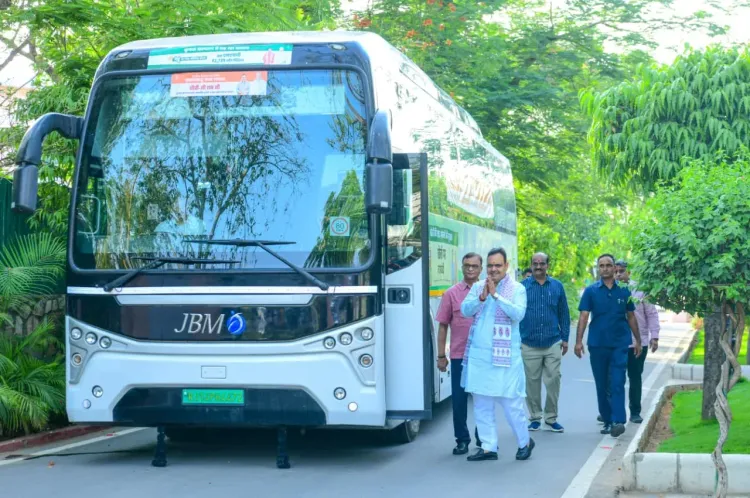
Rajasthan CM Bhajanlal Sharma travelled by electric bus from Jaipur to Thikariya village, Bagru on 16 May 2025 .
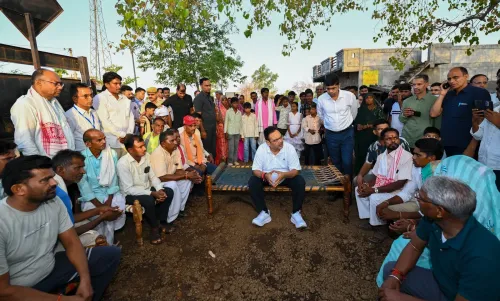
He participated in the Gram Vikas Chaupal programme, interacting with women, youth, and farmers on welfare scheme implementation.
Sharma promoted the Lakhpati Didi scheme as a driver of women's self-reliance and rural economic growth.
He urged farmers to reduce dependence on chemical fertilisers like DAP and urea in favour of natural farming.
The CM appealed for carpooling and greater use of public transport, calling fuel conservation 'the need of the hour'.
He claimed the government had prevented paper leaks and ensured transparency in recruitment, including RAS examinations.
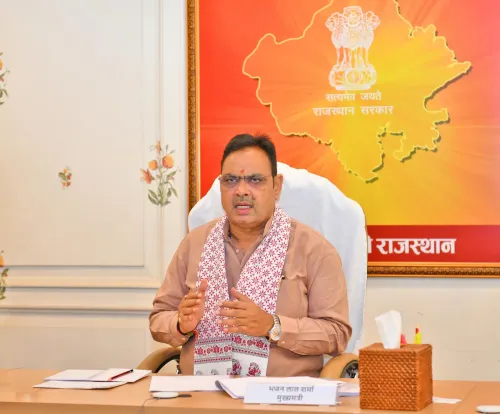
Rajasthan Chief Minister Bhajanlal Sharma on Saturday, 16 May travelled by electric bus from Jaipur to Thikariya village in Bagru, participating in the Gram Vikas Chaupal programme and meeting residents directly — a move framed as both administrative outreach and a public demonstration of fuel conservation in line with Prime Minister Narendra Modi's appeal to reduce petrol and diesel consumption.
The Journey and Its Symbolism
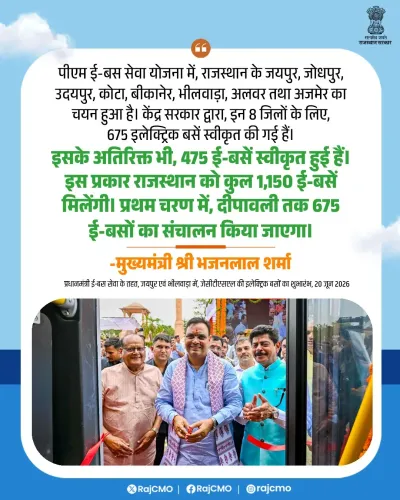
Sharma departed from the Chief Minister's residence in Jaipur alongside senior administrative officials including Police Commissioner Sachin Mittal, Manju Rajpal, Siddharth Mahajan, and Jitendra Soni. The choice of an electric bus over a conventional government vehicle was widely noted in political and administrative circles as a deliberate symbolic gesture. The Chief Minister urged citizens to adopt carpooling and use public transport more frequently, stating: 'Saving diesel and petrol is the need of the hour.' He added that 'small efforts can bring significant change' and that public participation is essential for environmental protection.
What the CM Said at the Chaupal
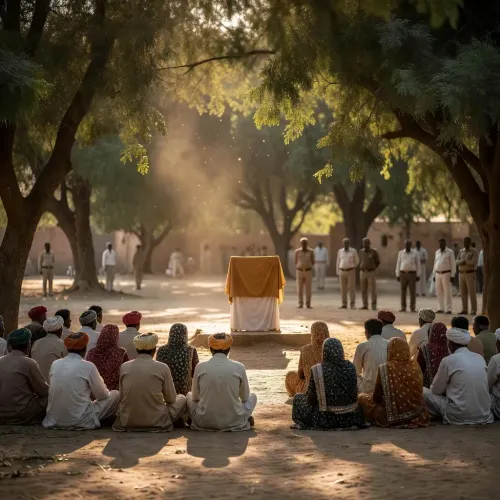
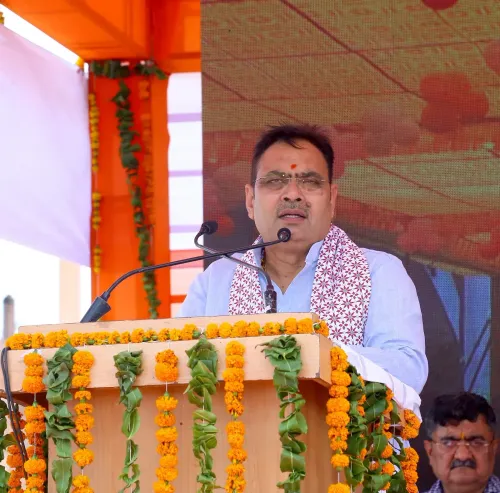
At the village interaction, Sharma engaged with women, youth, and farmers, seeking direct feedback on the implementation of government welfare schemes. On recruitment, he asserted that the Rajasthan government is committed to transparency and equal opportunity, claiming success in preventing paper leaks. 'Today, even farmers' sons are becoming RAS toppers,' he said, urging young people to advance through hard work and merit.
Focus on Women's Empowerment and Natural Farming
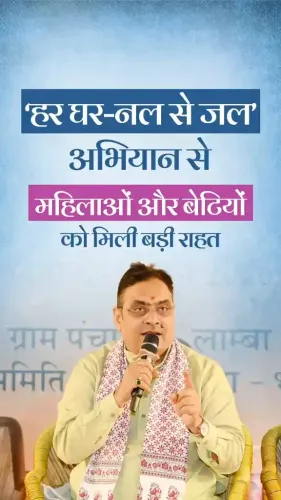
Addressing women's groups, Sharma highlighted the Lakhpati Didi scheme, describing it as a vehicle for female self-reliance and rural economic strengthening. He praised the role of women's self-help groups in village development. Turning to agriculture, he promoted natural farming practices and appealed for reduced dependence on chemical fertilisers such as DAP and urea, arguing that cutting chemical inputs would lower cultivation costs while preserving long-term soil fertility.
Broader Context
The Gram Vikas Chaupal format — a direct interface between the state administration and rural communities — has been deployed by the Rajasthan government as a grassroots feedback mechanism. This visit comes amid a broader national push on energy conservation, with the Centre encouraging state governments to lead by example on cleaner transport. Sharma's electric bus ride is among the more visible state-level signals of that messaging. Whether the outreach translates into measurable policy shifts on rural welfare delivery will be watched in the months ahead.
Point of View
But the harder question is whether the Gram Vikas Chaupal format produces accountability or merely the appearance of it. Grassroots outreach programmes have a long history in Indian state politics — the test is whether feedback gathered at the chaupal feeds into measurable changes in scheme delivery. The Lakhpati Didi push and natural farming appeal are both Centre-aligned talking points; what Rajasthan adds to them in implementation terms will matter more than the symbolism of the commute.
NationPress
26 Sept 2026
Frequently Asked Questions
What is the Gram Vikas Chaupal programme in Rajasthan?
The Gram Vikas Chaupal is a direct outreach initiative where senior state officials, including the Chief Minister, visit villages to interact with residents and gather feedback on government welfare scheme implementation. It is designed to bridge the gap between rural communities and the state administration.
Why did Rajasthan CM Bhajanlal Sharma travel by electric bus?
Sharma chose an electric bus to travel from Jaipur to Thikariya village in Bagru as a symbolic gesture supporting Prime Minister Narendra Modi's appeal to conserve petrol and diesel. He also urged citizens to adopt carpooling and use public transport to protect the environment.
What is the Lakhpati Didi scheme that Sharma highlighted?
The Lakhpati Didi scheme is a government initiative aimed at helping women, particularly through self-help groups, achieve annual incomes of at least ₹1 lakh, promoting financial self-reliance and strengthening the rural economy. Sharma credited the scheme with significant impact on women's empowerment in Rajasthan's villages.
What did the CM say about recruitment and paper leaks?
Sharma claimed the Rajasthan government has succeeded in preventing paper leaks and conducting fair recruitment examinations, including for the Rajasthan Administrative Service (RAS). He urged youth to focus on merit and hard work, stating that 'even farmers' sons are becoming RAS toppers.'
What farming advice did Sharma give to villagers?
The Chief Minister promoted natural farming and appealed to farmers to reduce their dependence on chemical fertilisers such as DAP and urea. He argued that cutting chemical inputs would lower cultivation costs and help preserve long-term soil fertility.