Rajasthan CMO: Bharat Taxi drivers are partners, co-owners
Synopsis
The Chief Minister's Office of Rajasthan announced on 26 July 2026 that drivers under the Bharat Taxi scheme will be co-owners and partners, not mere employees — a cooperative model aimed at empowering transport workers across the state under CM Bhajan Lal Sharma's administration.
Key Takeaways
The Chief Minister's Office of Rajasthan announced on 26 July 2026 that Bharat Taxi drivers hold partner and co-owner status within the scheme.
Drivers are officially designated as Sarthis , a branding choice that distinguishes them from conventional gig-economy workers.
The scheme departs from the standard aggregator model by offering drivers a participatory economic stake rather than a commission-only arrangement.
Chief Minister Bhajan Lal Sharma was tagged in the announcement, signalling high-level political ownership of the initiative.
The policy aligns with Rajasthan 's broader push for self-reliant economic models in tourism and mobility services.
Formal rollout details, pilot locations, and budgetary support remain to be officially announced.
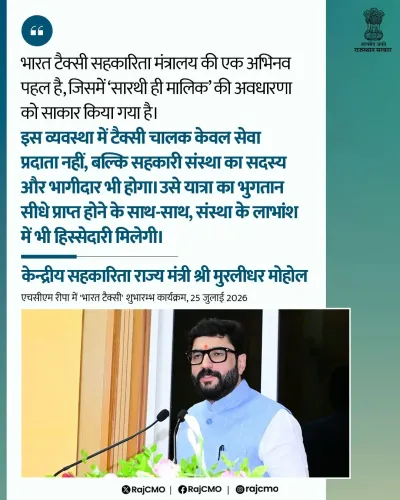
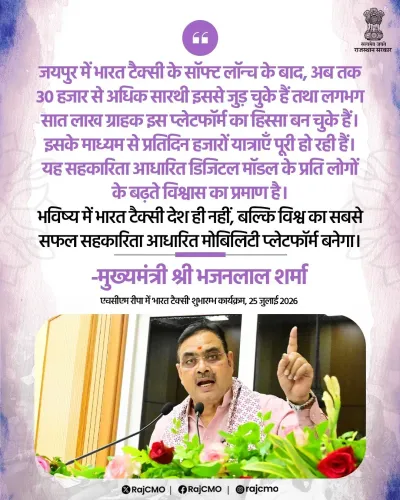
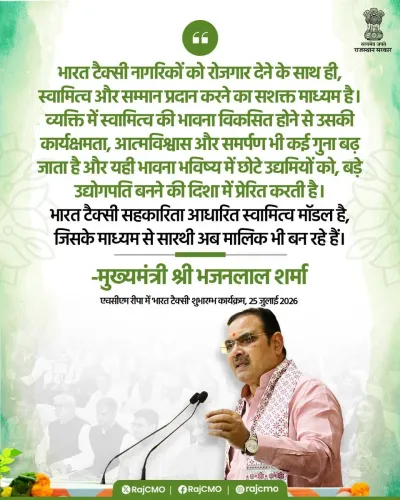
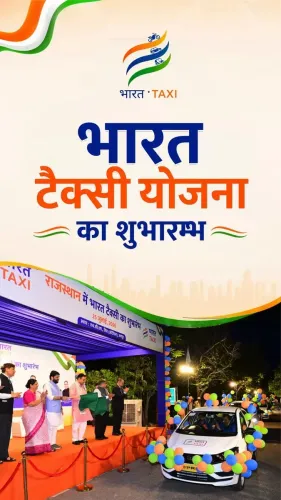
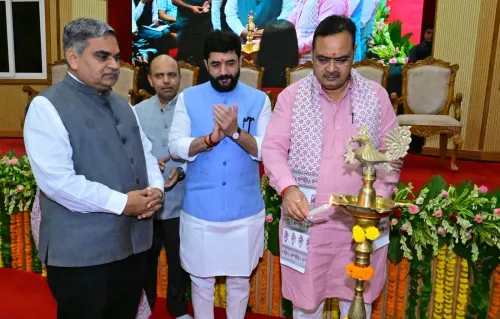
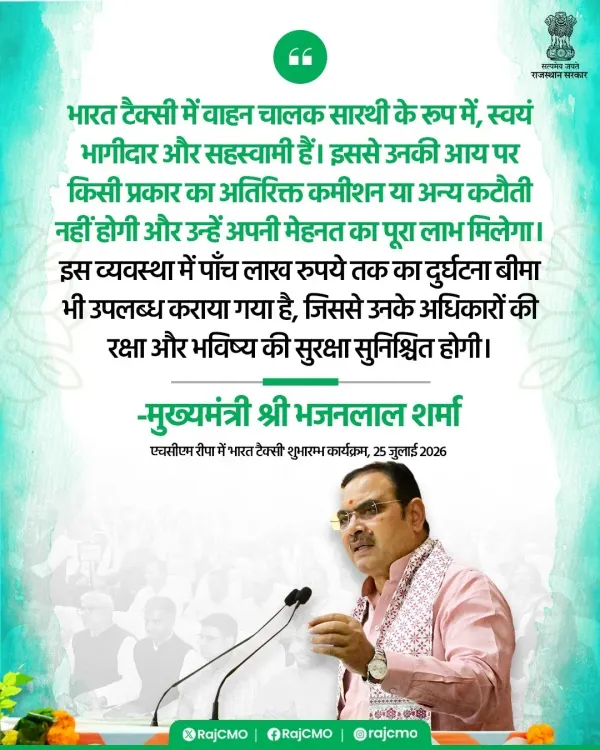
The Chief Minister's Office of Rajasthan announced on Sunday, 26 July 2026 that vehicle drivers enrolled under the Bharat Taxi scheme will serve as partners and co-owners — not merely employees — in the state-promoted ride-hailing model, tagging Chief Minister Bhajan Lal Sharma in the post.
The post, shared under the hashtag #आपणो_अग्रणी_राजस्थान ('Our Leading Rajasthan'), stated: 'In Bharat Taxi, the vehicle driver Sarthi is himself a participant and co-owner.' The phrase Sarthi — meaning charioteer or driver — is used here as the official designation for drivers enrolled in the scheme, signalling a deliberate branding choice that elevates their status within the platform's structure.
Context
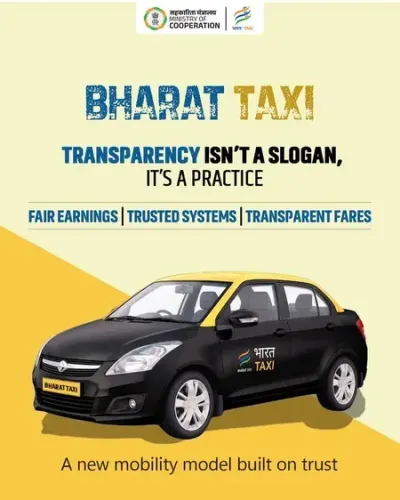
The Bharat Taxi initiative is a Rajasthan government-promoted taxi service model designed to position drivers as stakeholders rather than gig workers. By framing drivers as co-owners, the scheme departs from the conventional aggregator model — where platform companies retain ownership and drivers operate on commission — and instead offers a participatory economic structure.
The announcement comes as ride-hailing and app-based mobility have become significant employment avenues across Rajasthan, a state with a strong tourism corridor connecting cities such as Jaipur, Jodhpur, and Udaipur.
Policy Backdrop
The cooperative or co-ownership model in the transport sector is consistent with a broader national conversation about gig-worker rights and economic participation. Several Indian states have explored frameworks that give platform workers a greater share of earnings or governance rights, though formal legislative backing has varied.
Under Chief Minister Bhajan Lal Sharma's administration, Rajasthan has pursued self-reliant economic models in services tied to tourism and mobility. The Bharat Taxi scheme appears to be part of this push, seeking to align local entrepreneurship with the expanding demand for organised road transport.
Stakeholders and Impact
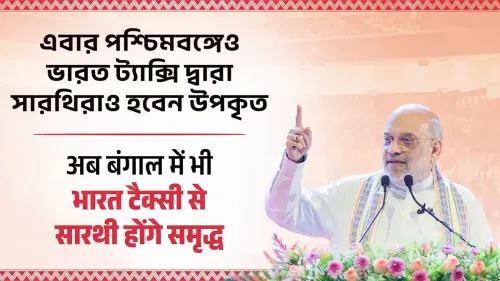
The primary beneficiaries of the model are taxi drivers and transport operators across Rajasthan. By designating drivers as Sarthis with partner and co-owner status, the scheme could alter income-sharing structures, decision-making rights, and long-term asset ownership for participants.
Tourism-linked transport is a major livelihood source in the state, and a cooperative ownership model — if implemented with adequate financial and institutional support — could improve earnings stability for thousands of drivers who currently operate on thin margins under aggregator contracts.
What's Next
Details on the official rollout timeline, pilot launch locations, and any legislative or budgetary backing for Bharat Taxi are expected to emerge in forthcoming Rajasthan assembly sessions or through official government notifications. Clarity on how co-ownership is structured — whether through equity stakes, profit-sharing, or cooperative membership — will be critical to assessing the scheme's real-world impact on driver livelihoods.
The broader success of the model will depend on how the state balances regulatory oversight, technology infrastructure, and financial inclusion for drivers who may lack the capital typically required to participate in ownership structures.
Point of View
The BJP administration under CM Bhajan Lal Sharma is signalling a cooperative economic vision that could resonate strongly with the large transport-worker vote base in a tourism-heavy state. The real test, however, lies in the structural details: whether co-ownership translates into enforceable equity rights or remains symbolic branding. This initiative fits into a wider pattern of Indian state governments seeking to differentiate themselves on labour welfare without directly confronting the aggregator giants.
NationPress
26 Jul 2026
Frequently Asked Questions
What is Bharat Taxi in Rajasthan?
Bharat Taxi is a Rajasthan government-promoted taxi service model that positions vehicle drivers as partners and co-owners — called Sarthis — rather than employees or gig contractors, forming part of the state's self-employment and transport welfare agenda.
What does co-owner mean for Bharat Taxi drivers?
Under the Bharat Taxi scheme, drivers designated as Sarthis are described as participants and co-owners, meaning they are intended to have a stake in the platform's operations rather than working purely on a commission basis, though full structural details are yet to be officially disclosed.
Who announced the Bharat Taxi co-ownership scheme?
The Chief Minister's Office of Rajasthan announced the co-ownership model on 26 July 2026, tagging Chief Minister Bhajan Lal Sharma in the post on X.
How does Bharat Taxi differ from Ola or Uber for drivers?
Unlike conventional aggregator platforms where companies own the technology and drivers earn commissions, Bharat Taxi's stated model offers drivers partner and co-owner status, potentially giving them a share in earnings or governance — though the exact financial structure has not yet been made public.
Which hashtag is associated with the Bharat Taxi announcement?
The announcement was shared under the hashtag #आपणो_अग्रणी_राजस्थान, which translates to 'Our Leading Rajasthan', a campaign tag used by the Rajasthan government to highlight state development initiatives.