Sitharaman: 12 Lakh Govt Jobs via Rozgar Mela for Viksit Bharat
Synopsis
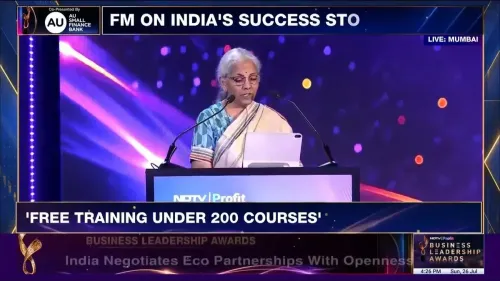
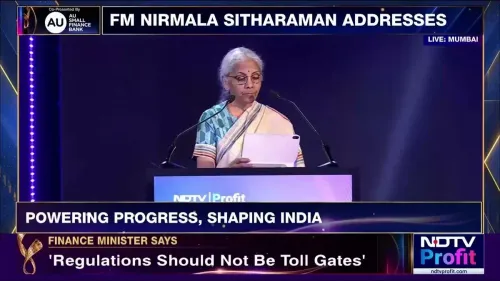
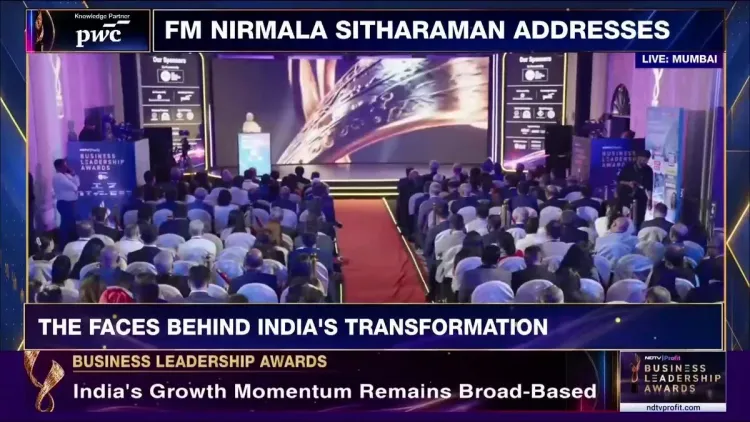
Finance Minister Nirmala Sitharaman, speaking at the NDTV Profit Business Leadership Awards 2026, said more than 12 lakh appointment letters have been distributed through Rozgar Melas, positioning public-sector hiring as a cornerstone of the government's Viksit Bharat youth-empowerment agenda.
Key Takeaways
Nirmala Sitharaman spoke at the NDTV Profit Business Leadership Awards 2026 on July 26, 2026 .
More than 12 lakh appointment letters for central government posts have been distributed through Rozgar Melas .
The government frames youth empowerment around four pillars: skills, opportunities, confidence, and platforms.
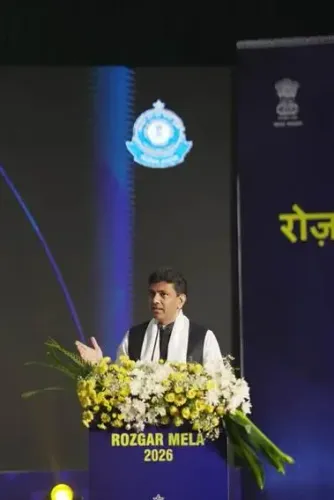
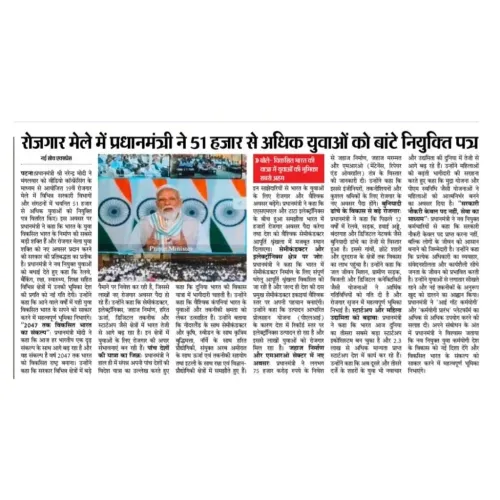
Rozgar Mela was launched in October 2022 to fast-track filling of central government vacancies.
The initiative is part of a broader Viksit Bharat vision to develop India into a developed economy by 2047 .
The Skill India Mission (launched 2015 ) complements Rozgar Melas by improving youth employability in the private sector.
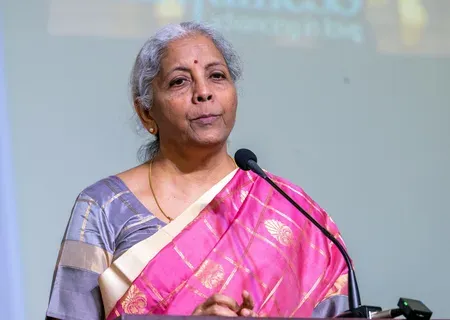
Union Finance Minister Nirmala Sitharaman on Sunday, July 26, 2026, highlighted the government's sustained push to empower Indian youth, citing the distribution of more than 12 lakh appointment letters through Rozgar Melas as a concrete step toward realising the Viksit Bharat vision. She was speaking at the NDTV Profit Business Leadership Awards 2026.
Context
Addressing the awards event, Sitharaman framed the government's youth-empowerment agenda around four pillars: skills, opportunities, confidence, and platforms. She said the objective is to equip young Indians to 'realise their potential and contribute meaningfully to the nation's progress' — language that directly echoes the Viksit Bharat mission of transforming India into a developed economy by 2047.
The figure of over 12 lakh appointment letters distributed through Rozgar Melas was the headline statistic she cited to demonstrate tangible delivery on that agenda within central government hiring.
Policy Backdrop
The Rozgar Mela initiative was launched in October 2022 to accelerate the filling of long-pending central government vacancies through technology-enabled mass recruitment events. Rather than routine departmental hiring, the melas bring candidates together at a single venue — or through digital platforms — to receive appointment letters directly, reducing delays in onboarding.
The initiative sits alongside the Skill India Mission, which has been operational since 2015 and focuses on training and certification to improve youth employability across sectors. Together, these programmes represent the government's twin-track approach: formal public-sector recruitment on one side, and private-sector readiness through skilling on the other.
Successive Union Budgets have repeatedly flagged formal employment generation as a priority, and Rozgar Melas have been cited in parliamentary discussions as a measurable output of that commitment.
Stakeholders and Impact
The primary beneficiaries of the Rozgar Mela programme are young jobseekers who qualify for central government positions — a demographic that has historically faced long wait times between examination results and actual appointment. The distribution of 12 lakh-plus letters represents a significant volume of formal public-sector employment being activated.
For the broader economy, public-sector hiring at scale carries a multiplier effect: new government employees inject wage income into local economies, particularly in smaller cities and towns where central government jobs remain highly sought after. Youth empowerment through formal employment also feeds directly into human capital targets embedded in the Viksit Bharat framework.
What's Next
The government's pattern of announcing Rozgar Mela milestones at high-visibility forums suggests continued political and policy emphasis on visible recruitment delivery. Future editions of the melas, along with any revised recruitment targets, are likely to feature in upcoming parliamentary sessions and in the next Union Budget presentation.
As India moves closer to its 2047 development horizon, the pressure to convert youth empowerment rhetoric into measurable employment and skilling outcomes will only intensify — making events like this awards address both a policy signal and a political marker for the ruling dispensation.
Point of View
Cited as a milestone, is consistent with the BJP's broader electoral strategy of making government job delivery visible and quantifiable ahead of future electoral cycles. Anchoring youth employment in the Viksit Bharat narrative also pre-empts opposition criticism by framing vacancies-filled as development outcomes rather than administrative backlogs. The forward reference to skills and platforms suggests the government is preparing to widen this argument beyond recruitment numbers toward a more holistic employability story in upcoming budget and policy communications.
NationPress
25 Oct 2026
Frequently Asked Questions
What is Rozgar Mela and how does it work?
Rozgar Mela is a government initiative launched in October 2022 where appointment letters for central government jobs are distributed to selected candidates at mass recruitment events, reducing delays between selection and onboarding.
How many jobs have been given through Rozgar Mela?
According to Finance Minister Nirmala Sitharaman, more than 12 lakh appointment letters for central government posts have been distributed through Rozgar Melas as of July 2026.
What is the Viksit Bharat vision?
Viksit Bharat is the government's national vision to transform India into a fully developed economy by 2047, focusing on sustained growth, human capital development, and inclusive progress.
What did Nirmala Sitharaman say at the NDTV Profit Business Leadership Awards 2026?
She highlighted the government's efforts to empower youth through skills, opportunities, confidence, and platforms, and cited over 12 lakh central government appointment letters distributed via Rozgar Melas as a concrete achievement under the Viksit Bharat framework.
What is the Skill India Mission?
Skill India Mission, launched in 2015, is a government programme that provides training and certification to young Indians to improve their employability in both public and private sectors.