Rozgar Mela: Modi distributes 51,000 letters, cites global interest in India's youth
Synopsis
At the 19th Rozgar Mela, Modi handed out 51,000 appointment letters — taking the cumulative tally to 12 lakh since October 2022 — and argued that global enthusiasm for India's youth and technology is the real engine behind the country's expanding international partnerships. The event frames direct public-sector recruitment as both a domestic jobs story and a signal of India's rising geopolitical weight.
Key Takeaways
PM Narendra Modi distributed more than 51,000 appointment letters at the 19th Rozgar Mela on 23 May 2025 .
Cumulative letters distributed since October 2022 have reached approximately 12 lakh , according to reports.
Modi described global excitement over India's youth and technological progress, citing conversations with major company leaders during his recent five-nation visit.
Foreign firms, investors, and governments are reportedly seeking to engage with India through trade, FDI, joint ventures, and bilateral partnerships under the 'Vikas Yatra' framework.
The Centre frames the drive within its broader governance pillars of 'seva' , 'sushasan' , and 'garib kalyan' , targeting a 'Viksit Bharat' by 2047 .
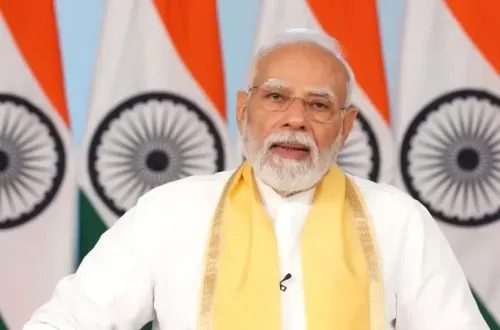
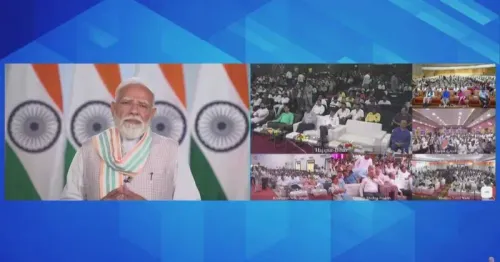
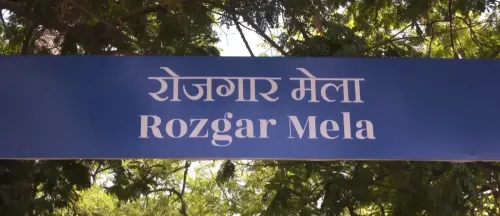
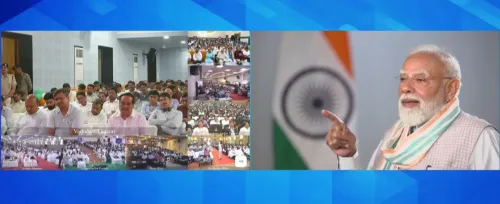
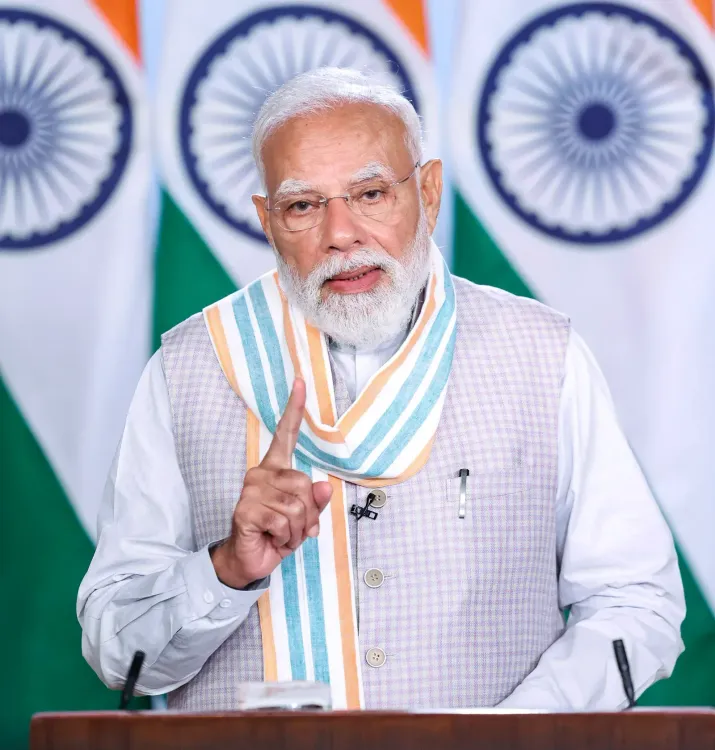
Prime Minister Narendra Modi on Saturday, 23 May distributed more than 51,000 appointment letters to newly recruited government employees at the 19th Rozgar Mela, marking a fresh milestone in a direct recruitment drive he launched roughly three years ago. The event, held across government departments and organisations, underscored the Centre's emphasis on formalised public-sector employment as a pillar of youth empowerment.
Key Developments at the 19th Rozgar Mela
The 19th Rozgar Mela saw appointment letters handed out to recruits spanning multiple central government ministries and departments. Since the initiative began in October 2022, Prime Minister Modi has cumulatively distributed around 12 lakh recruitment letters through successive editions of the mela, according to reports. Individual events have routinely handed out tens of thousands of letters at a time, making this one of the largest sustained direct government recruitment drives since he assumed office in 2014.
What Modi Said
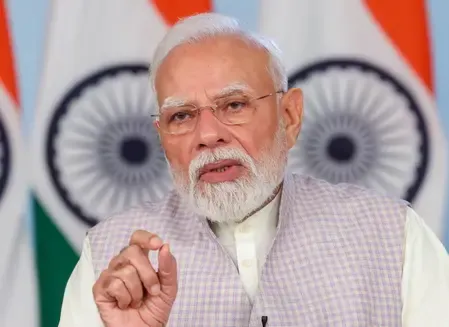
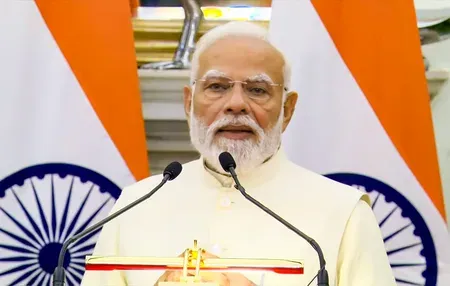
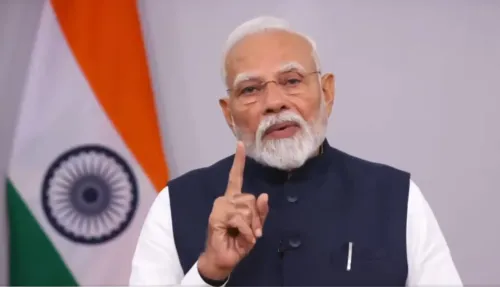
Addressing the new recruits, Prime Minister Modi said the global community is keenly watching India's demographic dividend. 'The world is very excited about India's youth and technological progress,' he said. 'The world wants to become a part of India's Vikas Yatra. India is forming partnerships with different countries, and the sole motive behind this is that India's youth gets opportunity, employment and confidence, as well as global exposure,' he added.
Modi drew a direct line between the recruitment drive and his recently concluded five-nation foreign visit, noting that conversations with leaders of major global companies consistently reflected enthusiasm for India's growth trajectory. 'During this, I talked to leaders of various big companies, and everywhere, I realised one thing — the world is very excited about India's youth and technological progress,' he said.
India's 'Vikas Yatra' and Global Interest
The phrase 'Vikas Yatra' — broadly translated as India's development journey — has become a framework the Modi government uses to describe an integrated arc of policy reforms, infrastructure expansion, social welfare, and cultural renewal. Reports indicate that foreign governments, multinational corporations, and global investors are increasingly seeking to align with this narrative through trade agreements, joint ventures, and bilateral partnerships.
Foreign firms view India's expanding middle class and rising consumer market as a significant revenue opportunity. For many multinationals, India also functions as an alternative or complement to China in manufacturing, logistics, and regional supply chains. International institutions and investors point to sustained growth targets, infrastructure build-out, and business-climate reforms as additional draws. Geopolitical considerations — regional connectivity, security cooperation, and access to Indian IT talent and defence industry collaboration — further deepen global interest, according to reports.
Broader Policy Context
The Rozgar Mela sits within a wider governance framework the Modi government describes through three pillars: 'seva' (service), 'sushasan' (good governance), and 'garib kalyan' (welfare of the poor). Officials frame inclusive and holistic development as central to the national policy approach, with the long-term goal of building a 'Viksit Bharat' — a developed India — by 2047.
Cooperation in renewable energy, green hydrogen, and climate finance has also emerged as a channel through which global partners are engaging with India's development agenda, linking commercial opportunity with energy-transition commitments. As global economic uncertainties persist, the Centre argues that such multilateral engagement reflects the trust the international community has placed in India as a reliable growth partner.
Point of View
And the government has not published a comprehensive audit of whether cumulative hires represent additional positions or replacements for vacancies that accumulated over years of delayed recruitment. The conflation of direct government hiring with India's broader global investment appeal also papers over a structural reality — formal public-sector jobs remain a fraction of employment, while the private sector and gig economy absorb the majority of new entrants. The 'Vikas Yatra' framing is effective messaging, but the harder metric — whether youth unemployment rates are falling in line with recruitment ceremony optics — has yet to be addressed with the same visibility.
NationPress
20 Sept 2026
Frequently Asked Questions
What is the Rozgar Mela and how many letters has Modi distributed so far?
The Rozgar Mela is a direct government recruitment initiative launched by Prime Minister Narendra Modi through which appointment letters are distributed to newly selected candidates across central government departments. Since October 2022, approximately 12 lakh recruitment letters have been distributed across 19 editions, according to reports.
How many appointment letters were distributed at the 19th Rozgar Mela?
More than 51,000 appointment letters were handed out at the 19th Rozgar Mela on 23 May 2025, spanning recruits across various government departments and organisations.
What is India's 'Vikas Yatra' that Modi referred to?
'Vikas Yatra' is the Modi government's framing of India's multi-year development journey, encompassing policy reforms, infrastructure projects, social welfare schemes, and cultural renewal as integrated elements of national progress. It is also used to describe India's growing appeal as a global trade, investment, and partnership destination.
Why are global companies and countries interested in India's growth story?
According to reports, foreign firms and investors are attracted by India's expanding middle class, rising consumer market, sustained growth targets, and business-climate reforms. Many also view India as an alternative or complement to China for manufacturing and supply chains, while geopolitical considerations — including IT talent, defence collaboration, and regional connectivity — add further appeal.
What is the government's long-term development target linked to these initiatives?
The Centre's stated long-term goal is the creation of a 'Viksit Bharat' — a fully developed India — by 2047, framed around the governance pillars of 'seva' (service), 'sushasan' (good governance), and 'garib kalyan' (welfare of the poor).