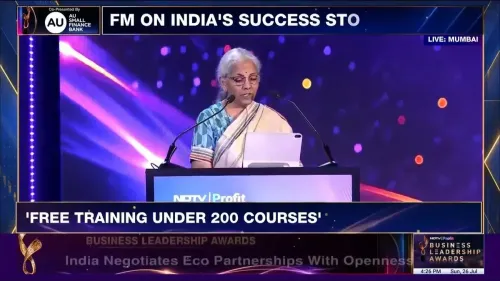
Sitharaman: 1.6 Cr Youth Trained Under PMKVY, ₹60K Cr for ITIs
Synopsis
Finance Minister Nirmala Sitharaman revealed at the NDTV Profit Business Leadership Awards 2026 that over 1.6 crore youth have been trained under PMKVY through 200-plus courses, while ₹60,000 crore is being deployed under PM-SETU to upgrade 1,000 Industrial Training Institutes nationwide.
Key Takeaways
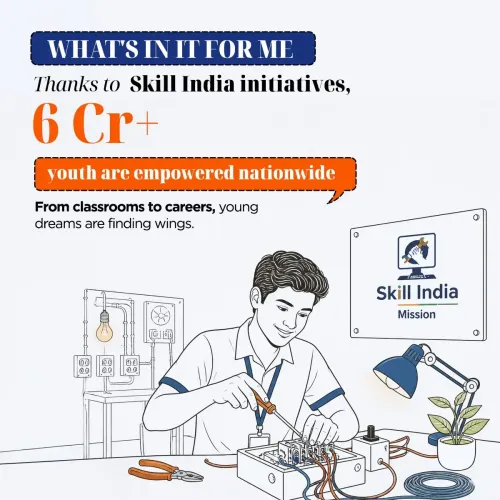
More than 1.6 crore young people have received training under PM Kaushal Vikas Yojana .
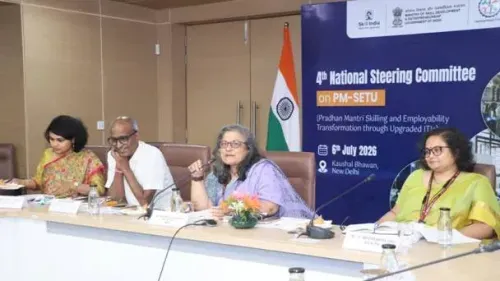
Free training is available across more than 200 employment-oriented courses spanning multiple sectors. ₹60,000 crore is being invested under PM-SETU to modernise 1,000 ITIs .
PMKVY was launched in 2015 as part of the Skill India Mission targeting school and college dropouts.
ITI upgrades have featured in successive Union Budgets since 2014 , with PM-SETU representing the largest modernisation push to date.
Sitharaman made these remarks at the NDTV Profit Business Leadership Awards 2026 on 26 July 2026 .
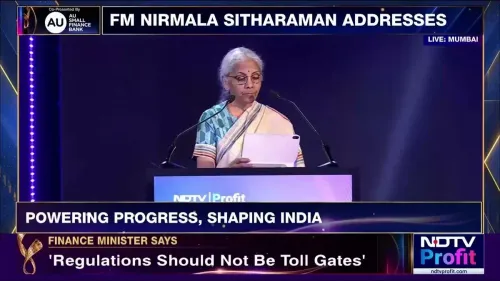
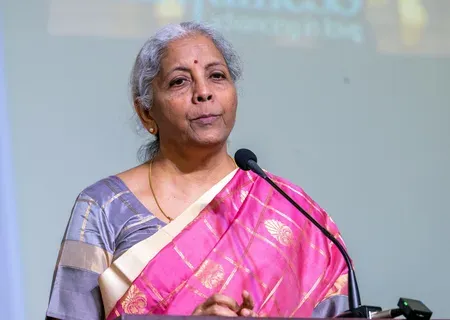
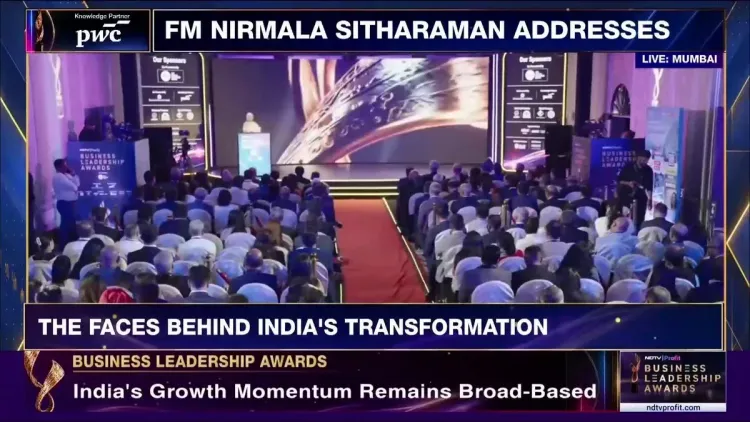
Union Finance Minister Nirmala Sitharaman on Sunday, 26 July 2026 highlighted the scale of India's skill development push, stating that more than 1.6 crore young people have received training under the PM Kaushal Vikas Yojana (PMKVY). She was speaking at the NDTV Profit Business Leadership Awards 2026, where she outlined key metrics of the government's skilling and vocational infrastructure programmes.
Context
Sitharaman noted that free training is being provided through more than 200 employment-oriented courses spanning multiple sectors. She also cited the PM-SETU initiative, under which ₹60,000 crore is being invested to modernise 1,000 Industrial Training Institutes (ITIs) across the country. The remarks form part of a broader government communication effort to underscore progress on youth employability and vocational education.
Policy Backdrop
PM Kaushal Vikas Yojana was launched in 2015 as a cornerstone of the Skill India Mission, targeting school and college dropouts with short-term, industry-relevant certification. The scheme covers sectors ranging from manufacturing and logistics to services, and is administered by the Ministry of Skill Development and Entrepreneurship.
Industrial Training Institutes form the backbone of India's government-run vocational network, offering certificate-level technical trades. Successive Union Budgets since 2014 have included periodic allocations for ITI equipment upgrades and instructor training, with the PM-SETU programme representing the latest and most substantial modernisation push. The National Policy for Skill Development and Entrepreneurship (2015) provided the overarching framework that unified these efforts under a single mission architecture.
Stakeholders and Impact
The primary beneficiaries are young trainees — particularly those who exit formal education early — along with students enrolled in ITIs across states. On the demand side, manufacturing employers and service-sector firms stand to gain from a larger pool of certified, job-ready workers. Sector skill councils, created after 2014, have been integral in aligning curriculum design with private-sector requirements, a model that PMKVY and the ITI upgrade programme both build upon.
India's demographic profile — with a median age under 30 — makes the conversion of this population into skilled human capital a long-term economic priority. The government has consistently framed skilling expenditure not as welfare spending but as investment in productive capacity, a framing Sitharaman reinforced at the awards event.
What's Next
Attention will now turn to the release of the next periodic PMKVY performance report by the Ministry of Skill Development and Entrepreneurship, which is expected to provide placement and certification data for the current programme cycle. Any supplementary allocations or revised operational guidelines for PM-SETU in the forthcoming Union Budget will be closely watched by states managing ITI infrastructure. The government's ability to demonstrate tangible employment outcomes — beyond training enrolment numbers — will determine the political and policy credibility of these figures.
Point of View
The Finance Ministry is framing skilling not as social welfare but as structural economic reform — a distinction that matters for investor audiences. The ₹60,000 crore PM-SETU commitment, if verified through budget documents, would represent one of the largest single-programme allocations in vocational infrastructure. The real test, however, lies in placement and earnings data, which the government has historically been slower to publicise than enrolment numbers.
NationPress
26 Jul 2026
Frequently Asked Questions
What is PM Kaushal Vikas Yojana and how many people have been trained?
PM Kaushal Vikas Yojana (PMKVY) is a central government scheme launched in 2015 to provide free, short-term skill training to youth, particularly school and college dropouts. Finance Minister Nirmala Sitharaman stated on 26 July 2026 that more than 1.6 crore young people have received training under the scheme.
What is PM-SETU and what is its budget?
PM-SETU is a central government initiative aimed at modernising 1,000 Industrial Training Institutes (ITIs) across India. According to Finance Minister Nirmala Sitharaman, ₹60,000 crore is being invested under the programme for infrastructure and curriculum upgrades.
How many courses are offered under PMKVY?
Under PM Kaushal Vikas Yojana, free training is provided through more than 200 employment-oriented courses covering sectors such as manufacturing, services, and logistics, as stated by Finance Minister Sitharaman.
What are Industrial Training Institutes (ITIs) in India?
Industrial Training Institutes are government-run vocational training centres that offer certificate-level courses in technical trades. They form the backbone of India's public skilling infrastructure and are being upgraded under the PM-SETU programme.
Where did Nirmala Sitharaman speak about PMKVY and ITI modernisation?
Finance Minister Nirmala Sitharaman made these remarks at the NDTV Profit Business Leadership Awards 2026 on Sunday, 26 July 2026.