Rajasthan CMO flags water-efficiency model under Narmada Canal
Synopsis
The Chief Minister's Office of Rajasthan declared on 28 October 2026 that the state has established a unique water-efficiency model under the Narmada Canal Project, crediting CM Bhajan Lal Sharma with the milestone that benefits drought-prone western districts including Jalore and Barmer.
Key Takeaways
The Chief Minister's Office of Rajasthan announced on 28 October 2026 that a 'unique model of water efficiency' has been established under the Narmada Canal Project .
The project draws water from the Sardar Sarovar Dam to supply the arid western districts of Jalore and Barmer .
Chief Minister Bhajan Lal Sharma , in office since December 2023 , is credited with the achievement by the CMO post.
Efficiency measures include canal lining, micro-irrigation, and precision water-delivery schedules to reduce seepage and extend coverage.
The Narmada Canal was progressively commissioned from the early 2000s as a drought-relief lifeline for western Rajasthan farmers.
Official water-use efficiency data and district-level impact assessments for the Narmada command area are expected in the coming months.
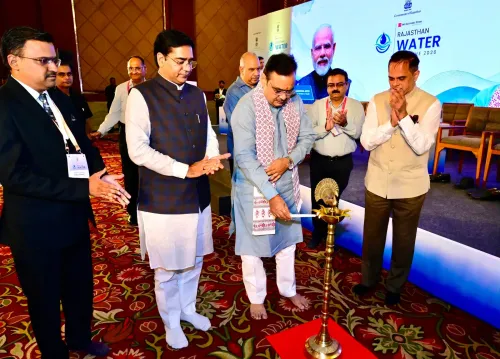
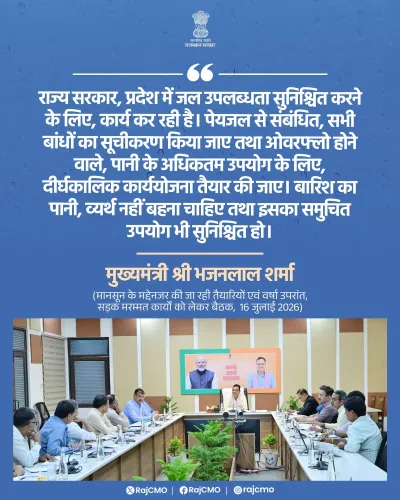
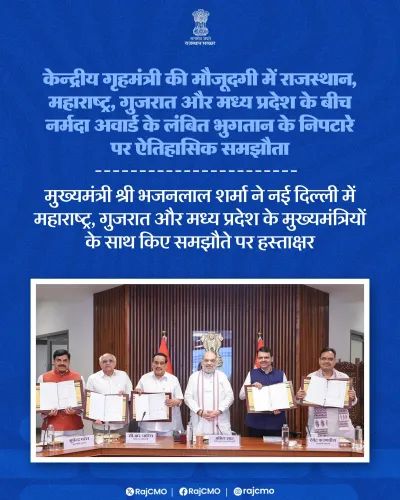
Water-scarce western Rajasthan has quietly become a testing ground for a new approach to canal irrigation — and on Wednesday, 28 October 2026, the Chief Minister's Office of Rajasthan put that achievement on record, crediting Chief Minister Bhajan Lal Sharma with establishing what it called a 'unique model of water efficiency' under the Narmada Canal Project.
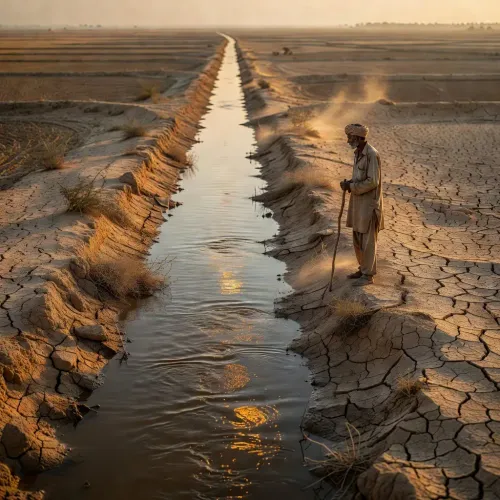
The canal that carries Narmada water to Rajasthan's driest districts
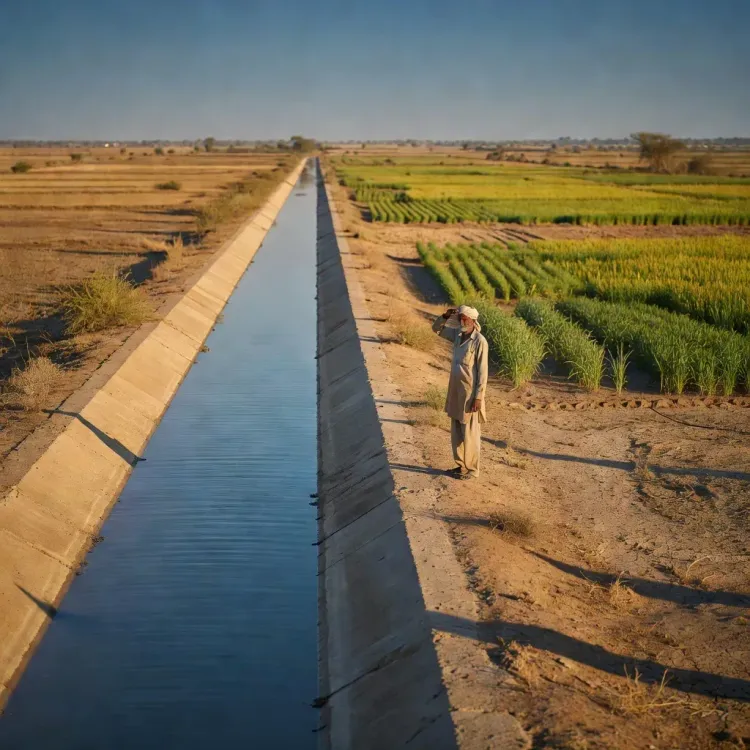
The Narmada Canal Project draws water from the Sardar Sarovar Dam on the Narmada river and pushes it northward into Jalore and Barmer — two of Rajasthan's most arid western districts. Progressively commissioned from the early 2000s onward, the canal was conceived as a lifeline for farmers who had historically depended on erratic rainfall and rapidly depleting groundwater. The post, tagged with the campaign line #आपणो_अग्रणी_राजस्थान ('Our Leading Rajasthan'), frames the water-efficiency push as a flagship achievement of the Sharma administration.
What 'water efficiency' means in a canal command area
Rajasthan has spent decades layering canal-lining, micro-irrigation and precision water-delivery measures onto its major irrigation networks. In the Narmada command area, these interventions aim to reduce seepage losses along the canal bed, ensure more predictable water release schedules for farmers, and extend the effective reach of each cubic metre drawn from the reservoir. The result, successive state governments have argued, is more crop area served per unit of water diverted — a critical metric in a state where demand almost always outstrips supply.
Bhajan Lal Sharma's agricultural modernisation push
Bhajan Lal Sharma, who took office as Chief Minister in December 2023, has positioned infrastructure upgrades and agricultural water security as central planks of the BJP-led government's development agenda in Rajasthan. The Narmada Canal announcement fits a pattern of the CMO highlighting incremental but consequential improvements to legacy irrigation infrastructure — projects whose political dividends accumulate slowly but matter enormously to the farming communities of the state's western belt.
Official data on precisely how much the efficiency gains measure, and district-level impact assessments for the Narmada command area, are expected in the coming months. When those figures arrive, they will sharpen the picture of just how transformative — or incremental — the model truly is. For the farmers of Barmer and Jalore, the answer will be felt long before it is tallied in any report.
Point of View
Non-partisan metric like water-use efficiency, the government hedges against criticism that the canal's reach has expanded too slowly. The key test will be whether official impact data, when released, matches the scale of the claim.
NationPress
28 Oct 2026
Frequently Asked Questions
What is the Narmada Canal Project in Rajasthan?
The Narmada Canal Project draws water from the Sardar Sarovar Dam on the Narmada river in Gujarat and channels it to the drought-prone western Rajasthan districts of Jalore and Barmer. It was progressively commissioned from the early 2000s to provide irrigation water to an otherwise arid region.
What water-efficiency model has Rajasthan established under the Narmada Canal?
According to the Chief Minister's Office, Rajasthan has built a 'unique model of water efficiency' under the Narmada Canal Project, combining canal lining, micro-irrigation, and precision water-delivery to reduce seepage losses and serve more farmland per unit of water diverted. Detailed official data is expected in the coming months.
Who is Bhajan Lal Sharma and what is his role in this project?
Bhajan Lal Sharma is the Chief Minister of Rajasthan, serving since December 2023. The CMO credited him with establishing the water-efficiency model under the Narmada Canal Project as part of his administration's agricultural modernisation agenda.
Which districts in Rajasthan benefit from the Narmada Canal?
The primary beneficiary districts are Jalore and Barmer in western Rajasthan — two of the state's most arid zones where farmers have historically faced chronic water scarcity and dependence on rapidly depleting groundwater.
What does #AapnoAgrani_Rajasthan mean?
The hashtag is Hindi for 'Our Leading Rajasthan' and is a campaign tagline used by the Rajasthan CMO to highlight governance and development milestones under the Bhajan Lal Sharma administration.