Rajasthan CMO pays tribute to Mahatma Jyotiba Phule
Synopsis
The Chief Minister's Office of Rajasthan has paid tribute to Mahatma Jyotiba Phule on his death anniversary. The message recalled his lifelong struggle against caste discrimination and social evils, and his work for the education and rights of women and deprived communities. His ideals, the office said, continue to guide society toward equality and human welfare.
Key Takeaways
The Chief Minister's Office of Rajasthan paid tribute to Mahatma Jyotiba Phule on 28 November 2026, his death anniversary.
The message called him a social reformer, educationist and pioneer of social equality.
Phule (1827-1890) campaigned against caste discrimination and opened schools for girls and lower-caste children in Maharashtra.
He founded the Satyashodhak Samaj to challenge social hierarchy and advance the rights of women and marginalized communities.
The CMO said his ideals would continue to guide society toward harmony, equality and human welfare.
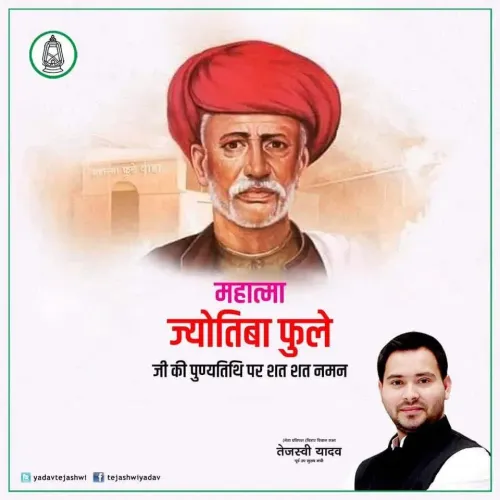
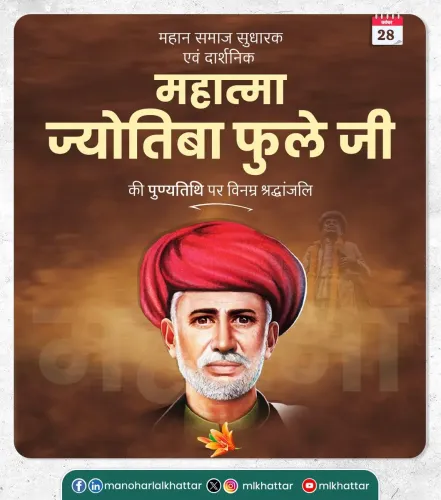
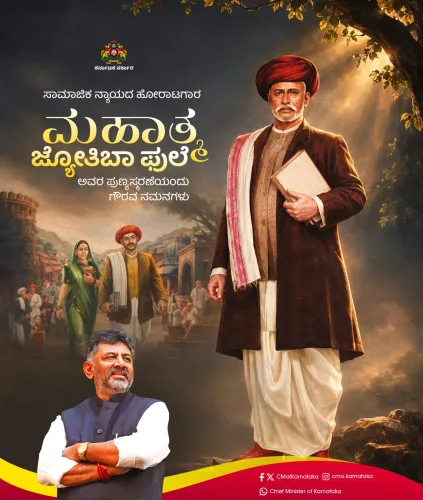
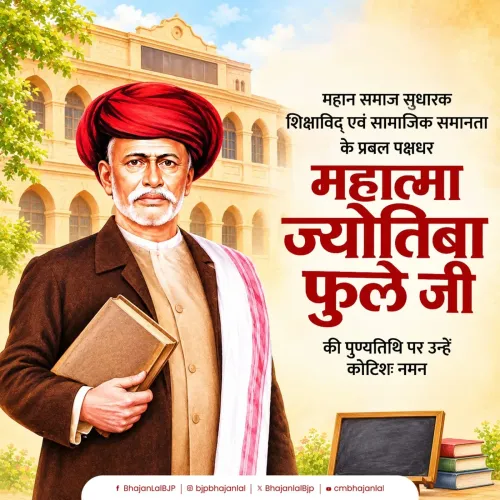
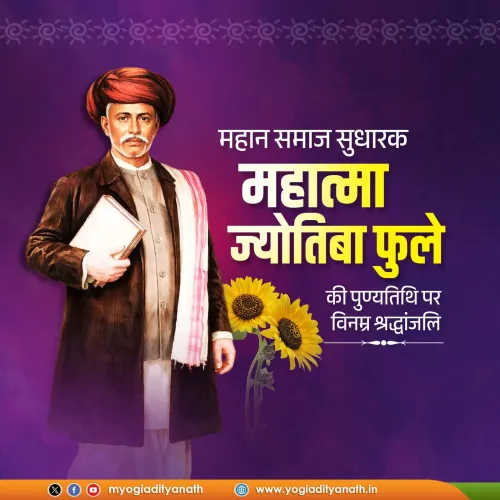
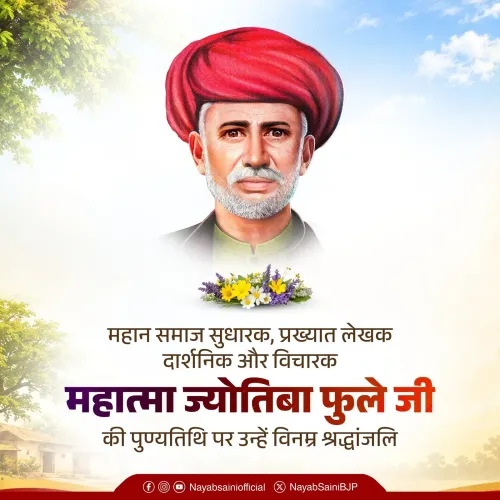
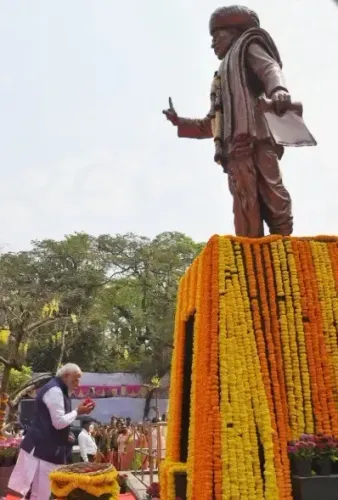
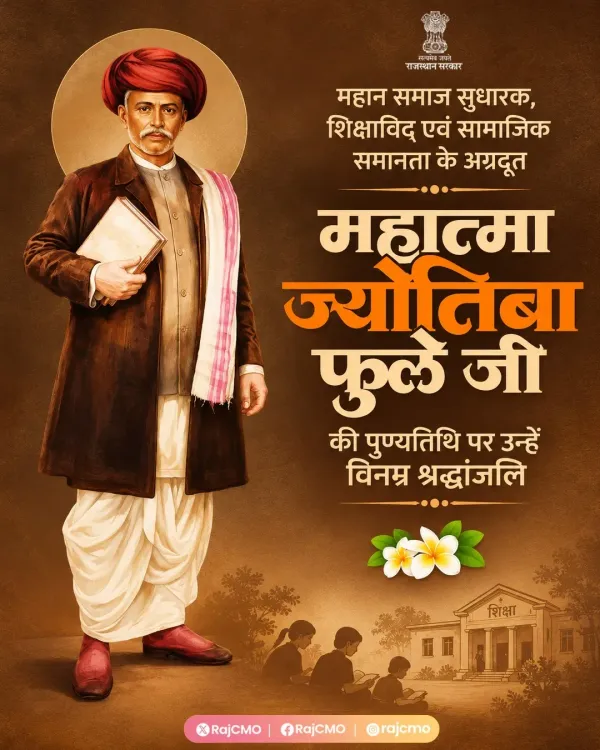
More than a century after his passing, the Chief Minister's Office of Rajasthan on Saturday, 28 November 2026 paid a humble tribute to Mahatma Jyotiba Phule, the reformer who spent his life fighting caste discrimination and opening education to women and the excluded. From Jaipur, the official account marked his punyatithi (death anniversary) by placing him among the pioneers of social equality whose ideas, it said, still point society toward harmony and human welfare.
The message described Phule as a great social reformer, educationist and pioneer of social equality. 'He dedicated his entire life to struggling against the discrimination, social evils and inequality prevalent in society, and to the education and rights of deprived classes and women,' the office wrote. His thoughts and ideals, it added, will always show society the path of samrasta (harmony), equality and human welfare.
Schools for girls and the Satyashodhak creed
Mahatma Jyotiba Phule (1827-1890) worked in Maharashtra against caste hierarchy at a time when education was tightly gated by birth and gender. He opened schools for girls and for children from lower-caste communities, treating the classroom as a direct challenge to the social order of his day.
He later founded the Satyashodhak Samaj, a movement built around truth-seeking, rejection of priestly monopoly, and dignity for those kept at the margins. Women and marginalized communities were not afterthoughts in that project. They were the centre of it.
Why Phule still appears in state messages
Indian state governments routinely mark the death anniversaries of 19th-century reformers such as Phule. The pattern is political as well as commemorative: invoking a figure who attacked caste barriers and championed education access is a way of restating a public commitment to social equality.
The CMO post itself announced no new scheme and named no event. It was a tribute, spare and pointed. What follows in Rajasthan, if anything, would be education or welfare work that actually carries his name.
Phule's argument was never only about memory. It was about who gets to learn, and who is allowed to stand equal. That question still sits at the centre of Indian social policy, and every official tribute quietly invites the same test.
Point of View
And the Rajasthan CMO's message fits that pattern rather than breaking it. Naming a 19th-century anti-caste educationist is a low-cost way of restating a social-justice credential without announcing a programme. The sharper test is whether Rajasthan's education and welfare machinery treats Phule as a calendar date or as a standard for who still gets left out of the classroom. Until a tribute is tied to a measurable opening of access, it remains a signal, not a shift.
NationPress
28 Nov 2026
Frequently Asked Questions
When is Mahatma Jyotiba Phule's death anniversary?
Mahatma Jyotiba Phule's death anniversary, or punyatithi, is observed on 28 November, the date of his death in 1890. The Chief Minister's Office of Rajasthan issued its tribute on 28 November 2026.
Who was Mahatma Jyotiba Phule?
Mahatma Jyotiba Phule was a 19th-century social reformer from Maharashtra who lived from 1827 to 1890. He campaigned against caste discrimination, founded the Satyashodhak Samaj, and opened schools for girls and lower-caste children.
What did the Rajasthan CMO say about Jyotiba Phule?
The Chief Minister's Office of Rajasthan paid humble tribute on his death anniversary. It said he dedicated his life to fighting discrimination, social evils and inequality, and to the education and rights of deprived classes and women.
What is Satyashodhak Samaj?
Satyashodhak Samaj was the social movement founded by Jyotiba Phule. It challenged caste hierarchy and priestly monopoly and worked for the dignity and rights of marginalized communities and women.
Why do governments pay tribute to Jyotiba Phule?
Indian state governments routinely issue tributes on the death anniversaries of 19th-century reformers such as Phule. The messages are used to underscore public commitments to social equality, education access and the fight against caste discrimination.