Rajasthan declares 80 tehsils drought-affected across 14 districts; Pali leads with 58% rainfall deficit
Synopsis
Rajasthan has declared 80 tehsils across 14 districts drought-affected — the state's largest such declaration this monsoon season. With Pali recording a 58% rainfall deficit and Jaisalmer at 54%, western Rajasthan is bearing the worst of the shortfall, threatening crops, livestock, and livelihoods across a six-month relief window.
Key Takeaways
The Rajasthan government declared 80 tehsils across 14 districts drought-affected on 26 October 2026 .
Jodhpur has the highest count with 12 affected tehsils ; Jalore and Barmer follow with 10 each .
Pali recorded the worst rainfall shortfall at 58% below normal ; Jaisalmer at 54% and Jalore at 50% .
The declaration activates drought-relief provisions for six months from the notification date.
Fodder depots will be established in affected areas; farmers and livestock owners to receive government assistance, according to Chief Whip Jogeshwar Garg .
The Rajasthan government has declared 80 tehsils across 14 districts drought-affected following deficient monsoon rainfall and widespread damage to standing crops. A formal notification issued on Sunday, 26 October 2026 by the state's Disaster Management and Relief Department classifies the tehsils as either severely or moderately drought-affected, bringing them under applicable drought-relief provisions for six months from the date of publication.
Districts and Scale of Impact
Jodhpur tops the list with 12 tehsils declared affected, followed by Jalore and Barmer with 10 each, and Balotra with 9. Pali and Phalodi account for 8 and 7 tehsils respectively, while Dungarpur and Jaisalmer each contribute 7. Smaller counts were recorded in Banswara (3), Beawar and Churu (2 each), Bikaner (2), and one tehsil each in Nagaur and Sirohi.
Rainfall Deficits Driving the Crisis
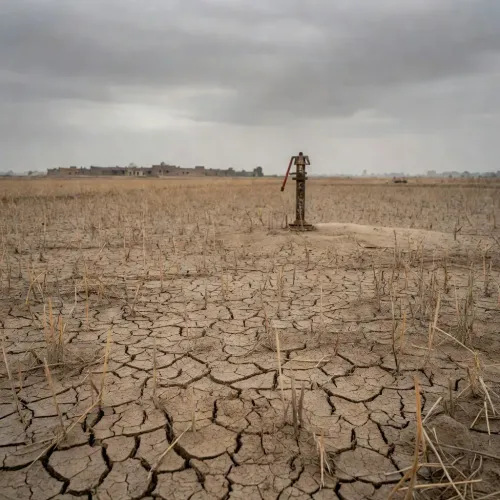
Pali recorded the steepest rainfall shortfall at 58% below normal levels, followed closely by Jaisalmer at 54% and Jalore at 50%. Banswara reported a deficit of 39% and Sirohi at 36%. Comparatively lower but still significant deficits were recorded in Balotra (28%), Jodhpur (27%), and Dungarpur (24%). The department assessed factors including groundwater levels, surface water availability, and crop losses before issuing the declaration.
What the Government Has Said
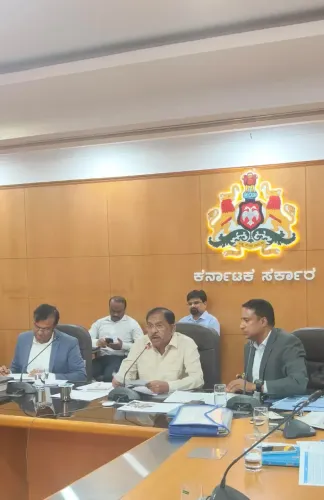
Chief Whip Jogeshwar Garg confirmed that drought-like conditions had developed across several parts of the state, and said the government would establish fodder depots in affected areas. He added that all possible assistance would be extended to farmers and livestock owners. Garg also specifically confirmed that all 10 tehsils in Jalore district had been brought under the drought declaration.
Impact on Farmers, Livestock and Water Supply
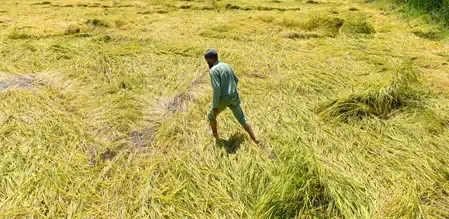
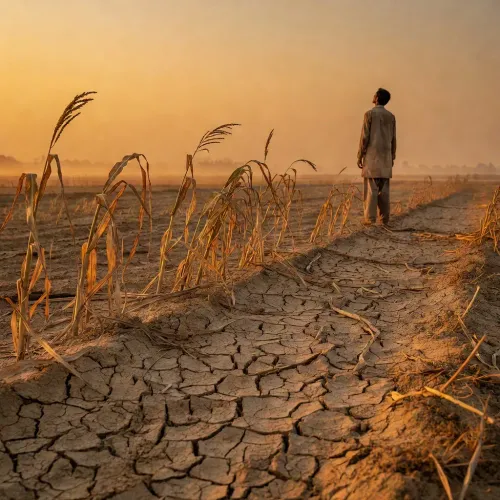
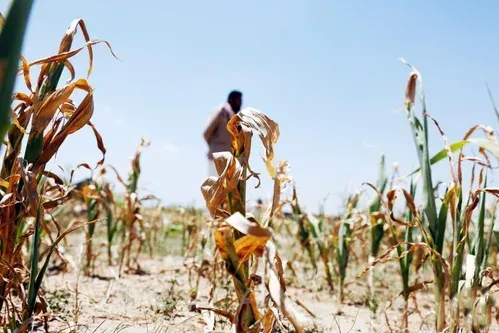
Standing crops are reportedly withering due to inadequate soil moisture, compounding concerns over farmers' livelihoods and the availability of water for both agriculture and livestock. The drought notification is expected to trigger administrative relief measures including fodder and water arrangements under applicable government provisions. This comes amid a broader pattern of erratic monsoon behaviour in western Rajasthan, a region chronically vulnerable to water stress.
What Comes Next
District administrations across the 14 affected districts are expected to initiate relief operations under the six-month window opened by the notification. Farmers and livestock owners are awaiting tangible support, particularly on fodder supply chains, which historically strain during prolonged dry spells in the region. Whether the Centre extends additional disaster relief funding will be closely watched in the coming weeks.
Point of View
With farmers receiving formal recognition of distress faster than actual relief. With Pali at a 58% rainfall deficit and Jaisalmer at 54%, the severity this season is well above the historical norm. The Centre's response — and whether it supplements state funds under the National Disaster Relief Fund — will determine whether this declaration becomes a turning point or a bureaucratic exercise.
NationPress
26 Oct 2026
Frequently Asked Questions
Which districts in Rajasthan have been declared drought-affected in 2026?
Rajasthan has declared 80 tehsils across 14 districts drought-affected, including Jodhpur, Jalore, Barmer, Balotra, Pali, Dungarpur, Jaisalmer, Phalodi, Banswara, Beawar, Churu, Bikaner, Nagaur, and Sirohi. The notification was issued on 26 October 2026 by the Disaster Management and Relief Department.
What is the rainfall deficit in the drought-affected areas of Rajasthan?
Pali recorded the highest deficit at 58% below normal rainfall, followed by Jaisalmer at 54% and Jalore at 50%. Other affected districts reported deficits ranging from 24% in Dungarpur to 39% in Banswara.
What relief measures will be provided to affected farmers and livestock owners?
Chief Whip Jogeshwar Garg confirmed that fodder depots will be established in drought-affected areas and all possible assistance will be extended to farmers and livestock owners. The declaration activates applicable government drought-relief provisions for six months.
How long does the drought declaration remain in effect?
The notification brings the 80 affected tehsils under drought-related relief provisions for six months from the date of its publication on 26 October 2026, during which district administrations are expected to initiate relief measures.
What criteria were used to declare these tehsils drought-affected?
The Disaster Management and Relief Department assessed rainfall deficiency, groundwater levels, surface water availability, and crop losses before issuing the declaration. Tehsils were classified as either severely or moderately drought-affected based on this assessment.