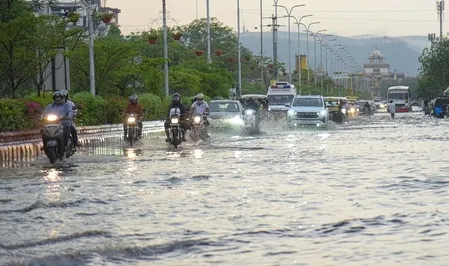
Rajasthan monsoon deficit narrows to 10.96% after 20 mm two-day spell
Synopsis
Rajasthan has logged barely 242.63 mm of rain this monsoon against a normal of 272.49 mm — and is running nearly 170 mm behind last year's pace. A two-day, 20 mm spell has trimmed the deficit to 10.96%, but with Kota and Udaipur still parched and 16 districts below normal, the state's kharif crops and reservoirs remain under pressure heading into the most critical weeks of August.
Key Takeaways
Rajasthan recorded 242.63 mm of cumulative monsoon rainfall against a seasonal normal of 272.49 mm as of 12 August 2025 .
The state's rainfall deficit stands at 10.96 per cent , narrowing after a 20 mm two-day rain spell.
16 districts remain below normal, while 7 have received above-normal and 18 have received normal rainfall.
Kota and Udaipur divisions are among the most deficit-affected areas despite recent showers.
At the same point last year, the state had received 410.76 mm — nearly 69% more than this season.
Further rainfall is forecast in parts of the state, which could help narrow the remaining deficit.
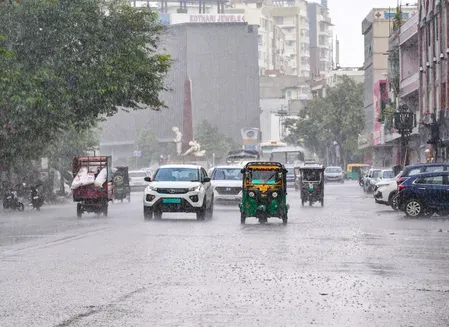
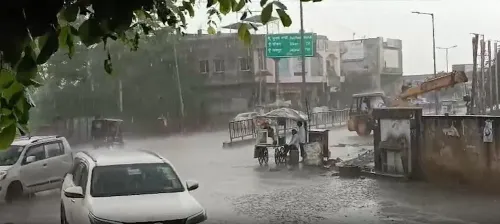
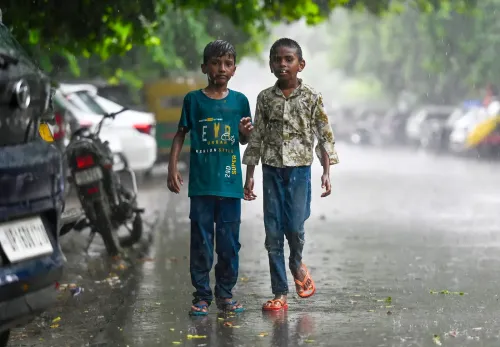
Rajasthan's cumulative monsoon rainfall deficit has narrowed to 10.96 per cent following a two-day spell that delivered an average of 20 mm of rainfall across the state, according to data released on 12 August. The state has recorded 242.63 mm of rainfall so far this season, against the seasonal normal of 272.49 mm.
Current Rainfall Distribution
The distribution of rainfall across Rajasthan remains sharply uneven. Of the state's districts, seven have recorded above-normal rainfall, 18 have logged normal rainfall, and 16 continue to face below-normal precipitation. The contrasting pattern underscores how a single monsoon system can leave large pockets of the state underserved even as others receive adequate rain.
Divisions Most Affected
The Kota and Udaipur divisions remain among the hardest-hit areas despite the recent showers. Both divisions typically receive substantial rainfall during the monsoon season but continue to record deficits. The persistence of the shortfall in these agriculturally significant zones raises concerns for kharif crop yields and reservoir replenishment.
Year-on-Year Comparison
The gap with last year's figures is stark. By the same point in the previous monsoon season, Rajasthan had recorded 410.76 mm of cumulative rainfall — nearly 69 per cent more than the 242.63 mm logged this year. The substantial shortfall reflects a slower and patchier monsoon progression in 2025 compared with the prior season.
Impact on Agriculture and Water Resources
The uneven rainfall pattern poses a direct threat to agriculture, water availability, and rural livelihoods in deficit districts. The recent spell has, however, improved soil moisture in several drought-affected areas and is expected to support standing crops where it reached. According to meteorological forecasts, further rainfall activity is anticipated in parts of the state over the coming days, which could help close the remaining gap.
What to Watch
Whether Rajasthan can meaningfully reduce its seasonal deficit will depend on the intensity and geographic spread of rainfall in the remainder of August — historically the most critical month of the monsoon for the state. Authorities and farmers alike will be watching forecast updates closely as the season progresses.
Point of View
But the district-level picture tells a harder story — 16 districts still below normal, and the Kota and Udaipur divisions, which anchor Rajasthan's agricultural output, continuing to face shortfalls. The year-on-year comparison is the more alarming number: the state is nearly 170 mm behind last year's pace, and August is already half gone. Two days of rain cannot substitute for a structurally weak monsoon onset. If the forecast activity fails to materialise or remains geographically confined, the deficit could widen again — with direct consequences for kharif yields, groundwater recharge, and rural distress in an already drought-prone state.
NationPress
26 Sept 2026
Frequently Asked Questions
What is Rajasthan's current monsoon rainfall deficit?
As of 12 August 2025, Rajasthan's cumulative monsoon rainfall deficit stands at 10.96 per cent. The state has received 242.63 mm of rainfall against the seasonal normal of 272.49 mm.
How much rainfall did Rajasthan receive in the recent two-day spell?
Rajasthan received an average of around 20 mm of rainfall over the two days preceding 12 August. The spell provided relief to several drought-affected areas and helped narrow the cumulative deficit.
Which districts and divisions are most affected by the rainfall deficit?
Sixteen districts across Rajasthan continue to record below-normal rainfall. The Kota and Udaipur divisions are among the worst-hit, facing persistent deficits despite recent heavy showers.
How does this year's monsoon compare with last year?
By the same date last year, Rajasthan had recorded 410.76 mm of cumulative rainfall, compared with 242.63 mm this season — a difference of roughly 168 mm. The gap reflects a slower and patchier monsoon progression in 2025.
What is the outlook for Rajasthan's monsoon in the coming days?
Meteorological forecasts indicate further rainfall activity in parts of Rajasthan over the coming days. Whether this is sufficient to significantly narrow the remaining deficit will depend on the intensity and geographic spread of the rain, particularly in the deficit-hit Kota and Udaipur divisions.