CM Bhajanlal Pushes Hi-Tech Sanitation Drive for Jaipur
Synopsis
The Rajasthan government, led by Chief Minister Bhajan Lal Sharma, has announced plans to upgrade Jaipur's sanitation system with high-technology infrastructure, reaffirming its commitment to making the state capital cleaner and more beautiful under the 'Our Leading Rajasthan' agenda.
Key Takeaways
The Chief Minister's Office of Rajasthan announced on 25 June 2026 that Jaipur's sanitation system is being made high-tech.
Chief Minister Bhajan Lal Sharma , in office since December 2023 , was tagged in the post as the driver of this initiative.
Jaipur is already a designated Smart City under the central government's Smart Cities Mission launched in 2015 .
The state's sanitation modernisation builds on the Swachh Bharat Mission (2014) and the Rajasthan Urban Development Policy 2020 .
No specific technology components, costs, or implementation timelines have been publicly disclosed alongside this announcement.
The Jaipur Municipal Corporation is expected to be the primary implementing body for the high-tech upgrades.
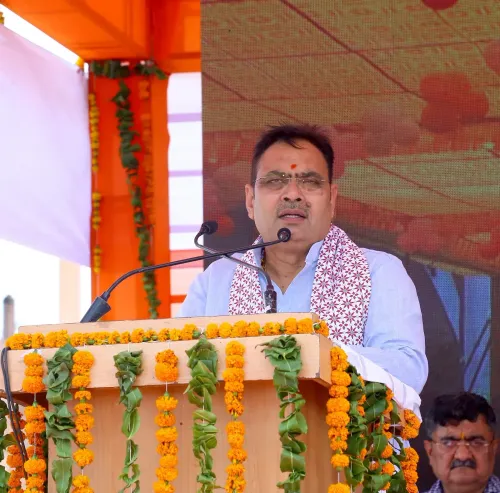
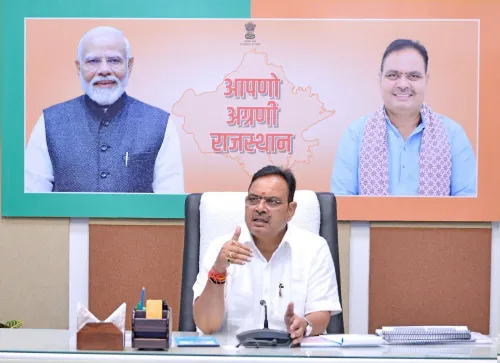
The Chief Minister's Office of Rajasthan announced on Thursday, 25 June 2026 that the state government is upgrading Jaipur's sanitation infrastructure with high-technology systems as part of its commitment to making the capital city cleaner and more beautiful, tagging Chief Minister Bhajan Lal Sharma in the post.
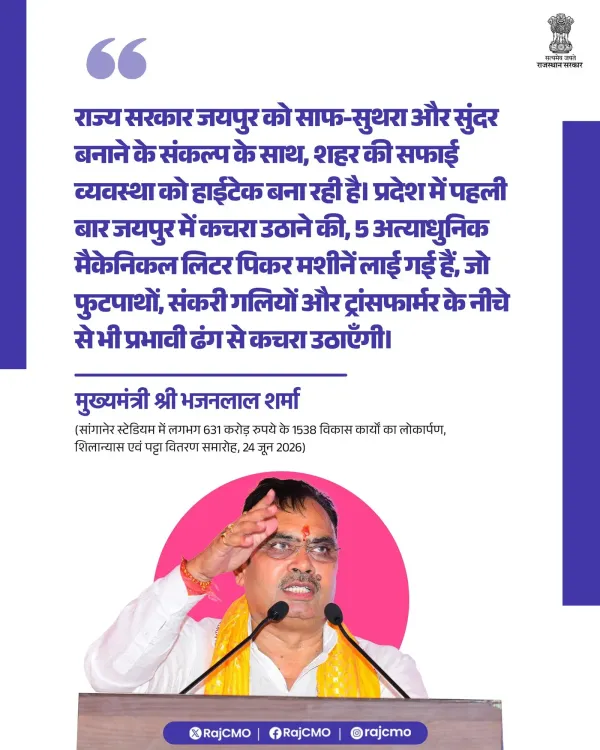
The post, shared under the hashtag #आपणो_अग्रणी_राजस्थान ('Our Leading Rajasthan'), stated: 'राज्य सरकार जयपुर को साफ-सुथरा और सुंदर बनाने के संकल्प के साथ, शहर की सफाई व्यवस्था को हाईटेक बना रही है' — 'With the resolve to make Jaipur clean and beautiful, the state government is making the city's sanitation system high-tech.'
Context
Jaipur, the capital and largest city of Rajasthan, has long been a focal point for urban sanitation initiatives under successive state governments. The city draws millions of tourists annually as a UNESCO World Heritage Site, making cleanliness a civic and economic priority. The Bhajan Lal Sharma-led administration, which took office in December 2023 following the state assembly elections, has positioned urban modernisation as a core governance agenda.
The hashtag #आपणो_अग्रणी_राजस्थान — 'Our Leading Rajasthan' — is a recurring branding phrase used by the current government to signal its development ambitions for the state.
Policy Backdrop
Jaipur was selected under the Smart Cities Mission, the central government programme launched in 2015, which earmarked technology-enabled upgrades for urban infrastructure including integrated waste management and e-governance tools. The city has also been a beneficiary of the Swachh Bharat Mission, launched in 2014, which targeted open-defecation-free status and modernised solid-waste systems across Indian cities.
The Rajasthan Urban Development Policy 2020 further emphasised technology adoption by municipal corporations for sanitation services, laying a policy foundation that the current administration appears to be building upon. Across India, state governments have progressively adopted GPS tracking, RFID-enabled bins, and app-based monitoring for waste collection since the mid-2010s, and Rajasthan's post-2023 government has continued this trajectory of digital integration in urban local bodies.
Stakeholders and Impact
The primary beneficiaries of a high-tech sanitation overhaul would be Jaipur's residents and the city's large floating tourist population, both of whom are directly affected by the quality of waste management on the ground. Municipal sanitation workers stand to see their operations monitored and potentially restructured through digital tools, a shift that has had mixed outcomes in other Indian cities — improving accountability in some cases while raising labour concerns in others.
The Jaipur Municipal Corporation would be the implementing body for any such upgrades. The announcement mirrors parallel efforts in other BJP-governed states to link cleanliness drives with digital governance metrics, positioning sanitation as a measurable, technology-driven outcome rather than a purely administrative function.
What's Next
Specific details about the technology components, procurement timelines, or budget allocations for this initiative have not been disclosed in the post. Observers will watch for formal tender notifications from the Jaipur Municipal Corporation and any dedicated line items in the next Rajasthan state budget that give shape to this commitment. The scale and speed of implementation will determine whether the announcement translates into a measurable improvement in the city's sanitation rankings under national assessment frameworks.
Point of View
The post positions the initiative as a leadership-driven priority rather than a routine municipal function, amplifying its political visibility. However, the absence of specifics — no named technology, no budget figure, no timeline — means the announcement currently functions more as a statement of intent than a policy commitment. The real test will come when tender documents and budget allocations give concrete form to the 'high-tech' promise for a city whose heritage-tourism economy makes cleanliness both a civic necessity and a brand asset.
NationPress
23 Sept 2026
Frequently Asked Questions
What is Rajasthan's plan to make Jaipur's sanitation high-tech?
The Rajasthan government has announced it is upgrading Jaipur's sanitation system with high-technology infrastructure, though specific details about the technology, budget, and timelines have not yet been disclosed publicly.
Who is Bhajan Lal Sharma and what is his role in Jaipur's cleanliness drive?
Bhajan Lal Sharma is the Chief Minister of Rajasthan, in office since December 2023. He has been tagged by the CMO as the leader behind the state's resolve to make Jaipur clean and beautiful through hi-tech sanitation upgrades.
Is Jaipur a Smart City under the central government's scheme?
Yes, Jaipur was selected under the central government's Smart Cities Mission launched in 2015, which includes projects for integrated waste management and technology-enabled urban infrastructure.
What is the Swachh Bharat Mission and how does it relate to Jaipur?
The Swachh Bharat Mission, launched in 2014, is a national sanitation initiative targeting improved waste management and urban cleanliness. Jaipur has been a beneficiary city under this scheme, which underpins the current government's sanitation agenda.
What does the hashtag Aapno Agrani Rajasthan mean?
The hashtag #आपणो_अग्रणी_राजस्थान translates to 'Our Leading Rajasthan' and is a branding phrase used by the Bhajan Lal Sharma government to signal its development and progress agenda for the state.