CM Bhajan Lal Reviews Jaipur Development, Cleanliness Plans
Synopsis
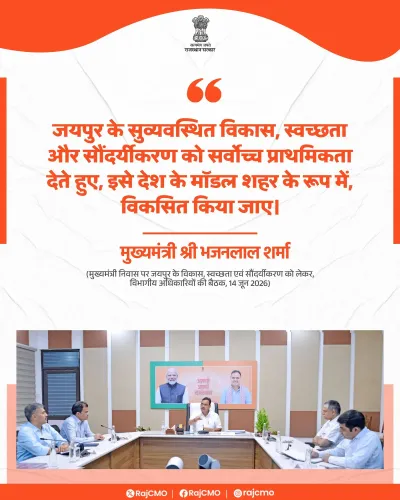
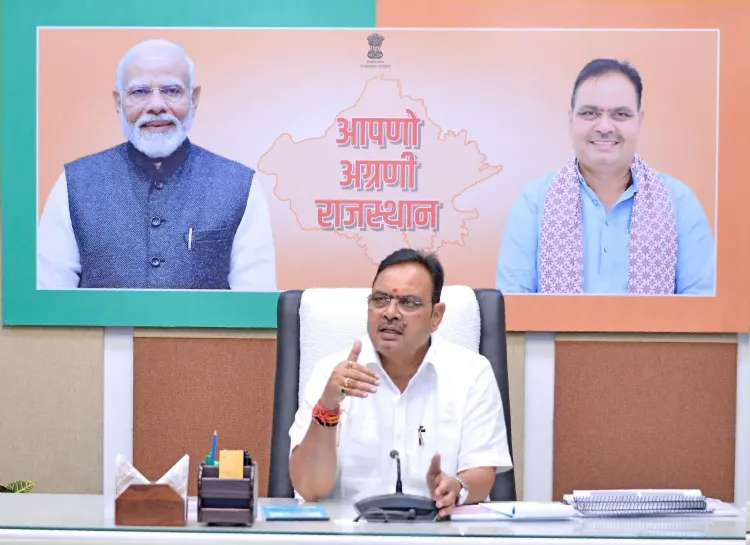
Rajasthan CM Bhajan Lal Sharma chaired a review meeting on 14 June 2026 to accelerate Jaipur's development, cleanliness, and beautification, directing officials to complete infrastructure works on time and reaffirming the government's goal of making the Pink City world-class.
Key Takeaways
CM Bhajan Lal Sharma held a review meeting on 14 June 2026 focused on Jaipur's holistic development, cleanliness, and beautification.
Officials were instructed to strengthen sanitation systems, reinforce basic infrastructure, and complete development works within fixed timelines.
The government has stated it is 'fully committed' to placing Jaipur among world-class, clean cities.
Jaipur's walled city has been a UNESCO World Heritage Site since 2019 , adding a conservation dimension to urban planning.
The city is covered under both the Smart Cities Mission (since 2015 ) and Swachh Bharat Mission (Urban) (since 2014 ).
Annual Swachh Survekshan rankings tie cleanliness performance to funding and political messaging for city administrations.
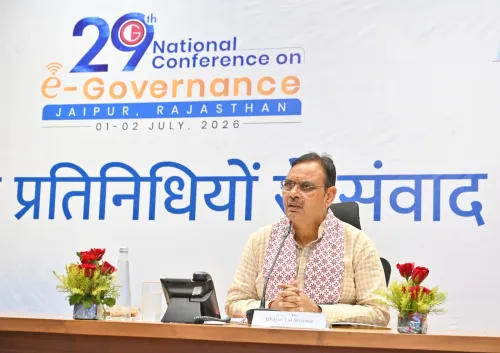
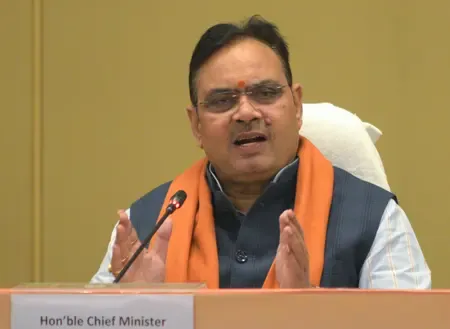
Rajasthan Chief Minister Bhajan Lal Sharma chaired a high-level review meeting on Sunday, 14 June 2026, focused on the holistic development, cleanliness, and beautification of Jaipur — the state capital widely known as the Pink City. The meeting examined ways to blend the city's heritage character with modern urban infrastructure, and the Chief Minister issued direct instructions to officials on accelerating pending work.
Context
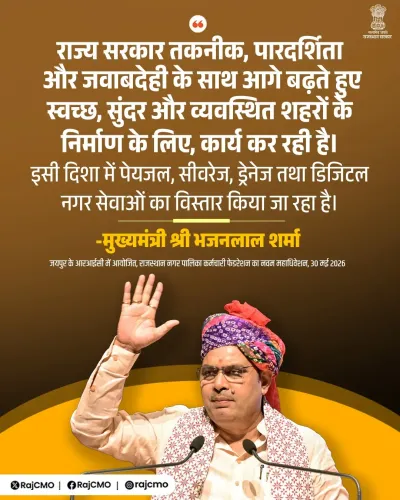
Posting on X after the meeting, CM Sharma wrote that he had held discussions on the 'unique confluence of heritage and modernity' in Jaipur and had given officials clear directions to strengthen the city's sanitation systems, reinforce basic infrastructure, and complete development works within fixed timelines. He added: 'Our government is fully committed to bringing Jaipur into the category of world-class, clean, and beautiful cities.'
The meeting comes as Jaipur's walled city — a UNESCO World Heritage Site since 2019 — continues to attract international tourists, placing simultaneous pressure on civic bodies to maintain cleanliness standards and upgrade urban amenities without compromising the city's historic character.
Policy Backdrop
Jaipur was selected under the Centre's Smart Cities Mission in 2015, which has channelled funds into area-based development, mobility upgrades, and public-space improvements across the city. In parallel, the Swachh Bharat Mission (Urban), launched in 2014, sets waste-processing and sanitation targets that all Rajasthan municipal bodies, including the Jaipur Municipal Corporation, are required to meet.
State governments across India have increasingly used centrally sponsored schemes such as Smart Cities and AMRUT to pursue simultaneous heritage conservation and infrastructure modernisation. Rajasthan's BJP administration, which took office in December 2023, has repeatedly signalled time-bound execution of urban projects as a political and administrative priority.
Stakeholders and Impact
Jaipur's roughly 40 lakh residents stand to benefit most directly from improvements in sanitation, road infrastructure, and public spaces. The city's booming tourism sector — anchored by the walled city, Hawa Mahal, Amer Fort, and other landmarks — is also a key stakeholder, as cleanliness and aesthetic quality directly influence visitor experience and spending.
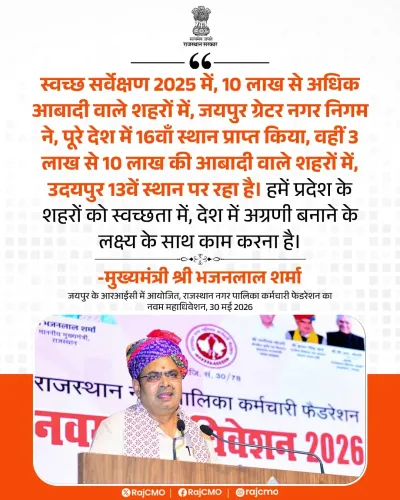
Municipal officials and urban-development agencies have been put on notice to deliver results within stated deadlines. Performance on cleanliness is also tracked through the annual Swachh Survekshan rankings, which carry both funding and reputational consequences for city administrations.
What's Next
Attention will now turn to follow-through: whether the state government translates Sunday's directives into specific budget allocations and project completion milestones. Upcoming Rajasthan Legislative Assembly sessions and the next municipal budget cycle are likely to be the first formal tests of the administration's commitments on Jaipur's urban development. Progress on pending Smart Cities Mission projects in the city will also serve as an early indicator of how quickly the Chief Minister's instructions are acted upon.
Point of View
Which took office in December 2023 and is keen to demonstrate delivery ahead of future electoral cycles. The emphasis on 'world-class' status and time-bound completion echoes a broader national pattern where Swachh Survekshan rankings have become a proxy for administrative competence, giving state governments a strong incentive to publicise such reviews. For Jaipur specifically, balancing UNESCO heritage obligations with modern infrastructure demands is a structurally complex challenge that directives alone cannot resolve without sustained budgetary follow-through. The real test will come when assembly sessions and municipal budgets reveal whether Sunday's meeting translates into concrete allocations and measurable project completions.
NationPress
23 Sept 2026
Frequently Asked Questions
What did CM Bhajan Lal Sharma say about Jaipur's development?
CM Bhajan Lal Sharma said his government is fully committed to making Jaipur a world-class, clean, and beautiful city, and directed officials to strengthen sanitation, reinforce infrastructure, and complete development works within fixed timelines.
Why is Jaipur called the Pink City?
Jaipur is called the Pink City because its old walled city was painted terracotta pink — a colour associated with hospitality — when Prince Albert of Wales visited in 1876, and the tradition has been maintained since.
Is Jaipur a UNESCO World Heritage Site?
Yes, Jaipur's walled city was inscribed as a UNESCO World Heritage Site in 2019, recognised for its exceptional urban planning and architecture dating to the 18th century.
What is the Smart Cities Mission and does it cover Jaipur?
The Smart Cities Mission is a central government programme launched in 2015 to upgrade infrastructure and services in 100 selected Indian cities. Jaipur was included in the mission and has received funds for area-based development and mobility projects.
What is Swachh Survekshan and how does it affect Jaipur?
Swachh Survekshan is an annual cleanliness ranking of Indian cities conducted under the Swachh Bharat Mission. Rankings influence both central funding allocations and the political reputation of city and state administrations, making them a key benchmark for Jaipur's civic bodies.