CM Bhajanlal Sharma Unveils Rajasthan Aerospace & Defence Policy-2026
Synopsis
The Rajasthan government under CM Bhajanlal Sharma has introduced the Aerospace and Defence Policy-2026, aiming to attract investment, boost technological development, and create employment for youth, positioning Rajasthan as a key hub for India's strategic self-reliance.
Key Takeaways
The Chief Minister's Office of Rajasthan announced the Rajasthan Aerospace and Defence Policy-2026 on 23 May 2026 .
CM Bhajanlal Sharma is leading the state government's push for 'all-round development' through sector-specific industrial policies.
The policy aims to make Rajasthan a 'powerful centre of India's strategic self-reliance' in the aerospace and defence sector.
A key stated objective is generating wide employment opportunities for the youth of Rajasthan.
The announcement aligns with India's national Atmanirbhar Bharat and Make in India defence indigenisation frameworks.
Specific incentives, investment targets, and implementation timelines are yet to be publicly detailed.
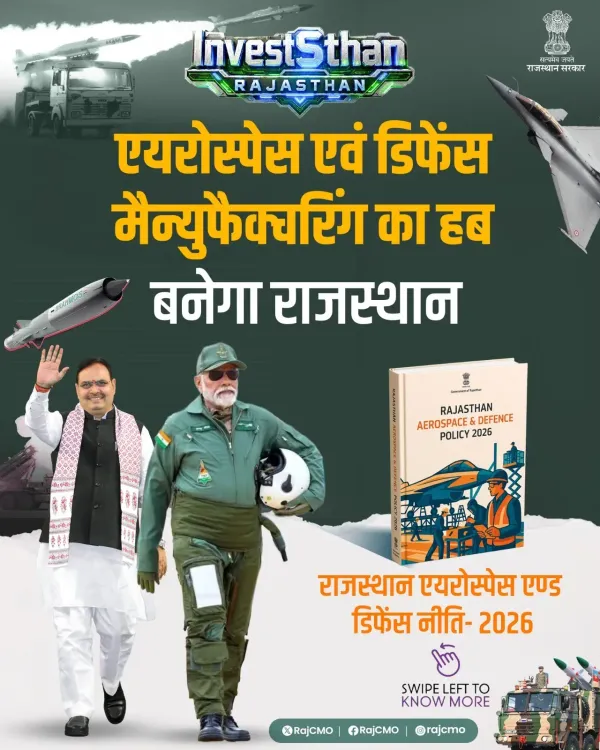
The Chief Minister's Office of Rajasthan announced on Saturday, 23 May 2026 that the state government, under the leadership of Chief Minister Bhajanlal Sharma, has introduced the Rajasthan Aerospace and Defence Policy-2026 — a move the government describes as a historic step toward making the state a powerful centre of India's strategic self-reliance.
Context
The Chief Minister's Office posted on X, stating that the state government is 'continuously working towards all-round development of the state' under CM Bhajanlal Sharma's leadership. The post described the new policy as one that will 'not only accelerate investment and technological development in the state, but also create wide employment opportunities for the youth' — yuvaon ke liye rojgar ke vyapak avsar [broad employment opportunities for the young].
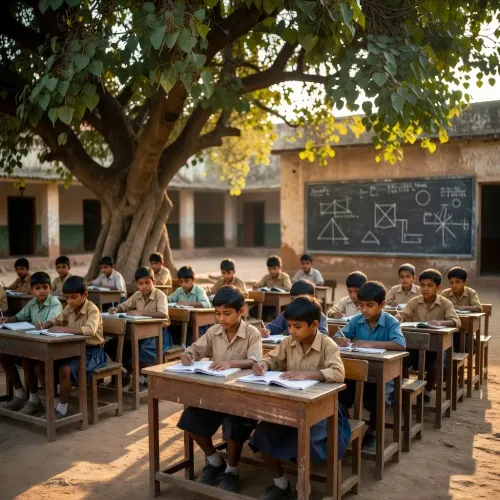
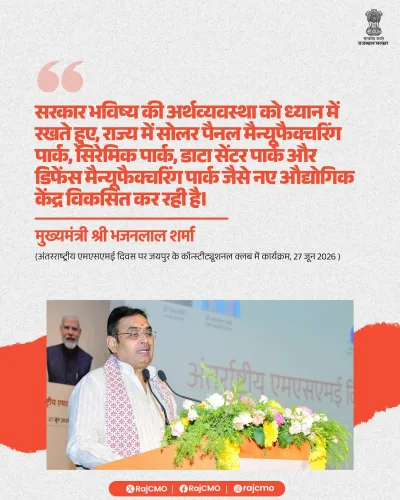
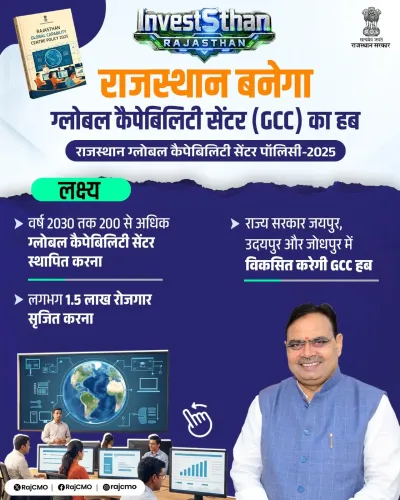
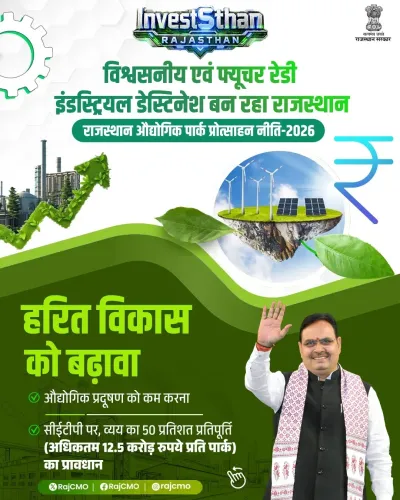
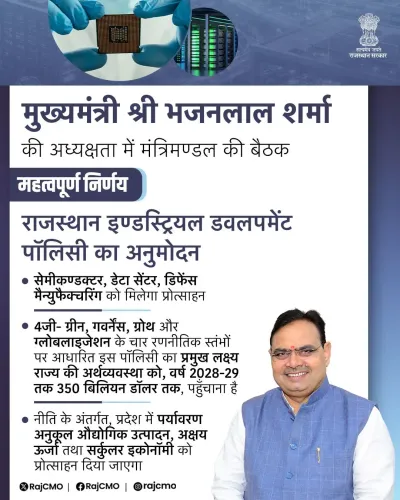
The announcement was accompanied by four images and tagged under the hashtags #InvestRajasthan, #AerospaceAndDefense, and #FutureReadyRajasthan, signalling an active investor-outreach posture from the state government.
Policy Backdrop
The Rajasthan Aerospace and Defence Policy-2026 fits squarely within the national Atmanirbhar Bharat framework launched in 2020, which called on states to develop domestic defence production capabilities and reduce India's dependence on imported military hardware. Several Indian states have since raced to attract aerospace and defence investments by framing sector-specific incentive policies and positioning themselves within national supply chains.
The broader Make in India initiative has further intensified state-level competition in the defence manufacturing space. Rajasthan, with its strategic geography bordering Pakistan and its existing industrial base, has long been considered a natural candidate for defence-sector investment. This policy appears to formalise that positioning at the state government level.
Stakeholders and Impact
The government has identified two primary beneficiary groups: defence and aerospace investors seeking a policy-backed destination, and Rajasthan's youth, who stand to gain from the employment opportunities the sector is expected to generate. Defence manufacturing is a high-skill, high-wage sector, and state-level policies that attract anchor investments can catalyse broader industrial ecosystems including component suppliers, logistics, and research institutions.
The policy's emphasis on saamrik atmanirbharta [strategic self-reliance] also aligns with India's stated goal of raising the share of domestic procurement in its defence budget, creating a structural demand signal for state-based manufacturers.
What's Next
Specific details on policy incentives, investment targets, land allocation, and implementation timelines are yet to be made public. Such details are typically unveiled at investor summits or during state legislative sessions. Rajasthan has previously hosted large-format investment summits under the current BJP government, and the #InvestRajasthan hashtag suggests a formal outreach campaign may already be under way.
If the policy succeeds in drawing significant aerospace and defence investment, it could reshape Rajasthan's industrial profile and strengthen its role in India's national security supply chain — a development that would carry both economic and geopolitical weight for the state.
Point of View
The policy serves a dual political purpose: signalling economic ambition to investors while promising jobs to a young electorate. Rajasthan's border geography with Pakistan gives the state a credible strategic narrative that few others can match, potentially strengthening its pitch to both private and public-sector defence majors. The real test, however, will be in the implementation details — incentive structures, clearance timelines, and land availability — which will determine whether the policy translates from announcement to actual industrial activity.
NationPress
13 Oct 2026
Frequently Asked Questions
What is the Rajasthan Aerospace and Defence Policy-2026?
The Rajasthan Aerospace and Defence Policy-2026 is a state government initiative announced in May 2026 under Chief Minister Bhajanlal Sharma, aimed at developing aerospace and defence manufacturing in Rajasthan, attracting investment, and creating employment for youth.
Who announced the Rajasthan Aerospace and Defence Policy?
The policy was announced by the Chief Minister's Office of Rajasthan, attributed to the state government led by Chief Minister Bhajanlal Sharma.
How does the Rajasthan defence policy relate to Atmanirbhar Bharat?
The policy aligns with India's Atmanirbhar Bharat initiative from 2020, which encourages states to build domestic defence production capacity and reduce reliance on imported military hardware.
What are the benefits of the Rajasthan Aerospace and Defence Policy for youth?
The state government states the policy will create wide employment opportunities for Rajasthan's youth by attracting aerospace and defence industries that require skilled workers.
When was the Rajasthan Aerospace and Defence Policy-2026 announced?
The announcement was made on Saturday, 23 May 2026, through the official Chief Minister's Office of Rajasthan account on X.