Rajasthan CM, FM Sitharaman back startups and welfare at Youth Conclave
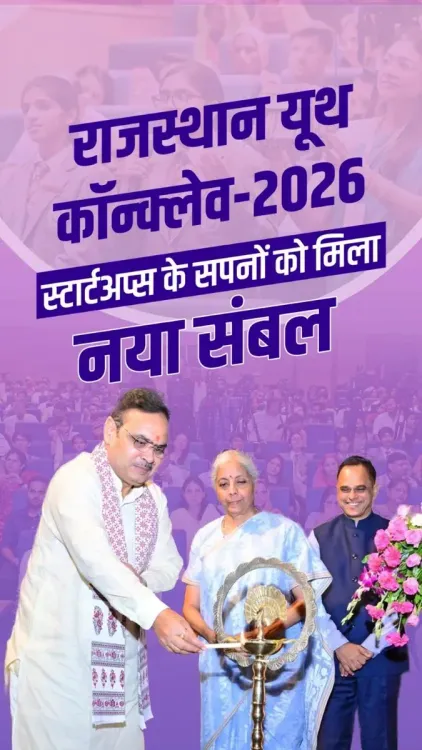
Synopsis
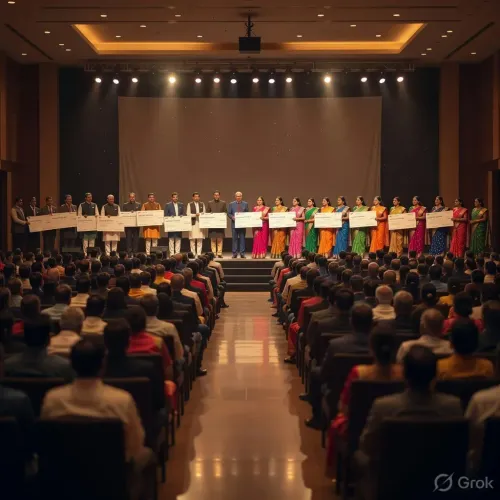
At the Rajasthan Youth Conclave 2026 in Jaipur, CM Bhajanlal Sharma and FM Nirmala Sitharaman launched 'Rajasthan Startup Quest', granted ₹50 crore to 33 startups, and disbursed over ₹369 crore to housing beneficiaries, women's self-help groups, and street vendors via central schemes.
Key Takeaways
Rajasthan Startup Quest was launched at the Youth Conclave 2026 held at Rajasthan International Centre, Jaipur on 14 August 2026 .
33 startups received a combined ₹50 crore in funding at the conclave.
33,806 PM Awas Yojana beneficiaries received ₹182.08 crore via direct benefit transfer.
Rajivika self-help groups received ₹182 crore , supporting women-led economic collectives.
3,011 street vendors received ₹5.64 crore under the PM SVANidhi scheme.
The event featured a dialogue between CM Bhajanlal Sharma , FM Nirmala Sitharaman , young entrepreneurs, and Lakhpati Didis .
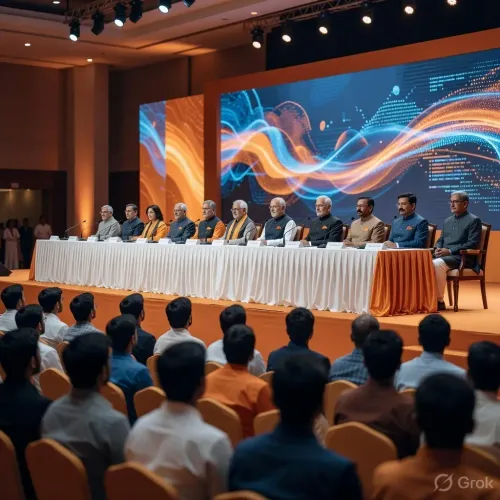
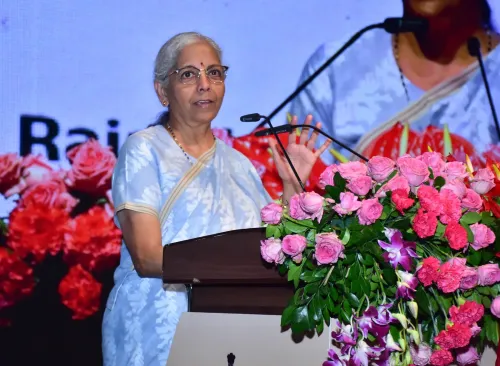
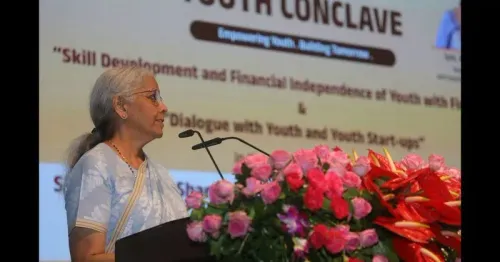
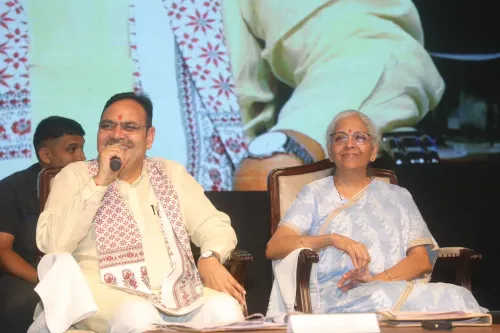
At the Rajasthan International Centre, Jaipur, on 14 August 2026, two of India's most consequential economic voices — Chief Minister Bhajanlal Sharma and Union Finance Minister Nirmala Sitharaman — sat down with young entrepreneurs and Lakhpati Didis (women who have crossed a lakh-rupee annual income threshold) to signal where Rajasthan wants to go next. The occasion: the Rajasthan Youth Conclave 2026, and the money on the table was very real.
Rajasthan Startup Quest and ₹50 crore for 33 founders
The headline launch of the conclave was 'Rajasthan Startup Quest', a new state initiative designed to funnel funding and mentorship to early-stage ventures. Right at the launch, 33 startups received a combined ₹50 crore in funding — roughly ₹1.5 crore per startup on average — a meaningful first cheque for founders who are often turned away by institutional capital. The programme slots into the decade-old national Startup India architecture, but gives Rajasthan a distinct state-level identity in the ecosystem race.
Chief Minister Sharma's presence alongside Finance Minister Sitharaman is not incidental. It signals that the state is actively courting central resources and credibility to anchor its startup ambitions, rather than going it alone.
₹182 crore to housing beneficiaries, ₹182 crore to self-help groups
The conclave was also a delivery platform for welfare transfers at scale. 33,806 beneficiaries under the Pradhan Mantri Awas Yojana — the central government's flagship affordable-housing scheme, running since 2015 — received ₹182.08 crore via direct benefit transfer. The DBT route eliminates middlemen and is a deliberate design choice: funds land directly in beneficiaries' bank accounts, reducing leakage.
Separately, Rajivika self-help groups — women's collectives linked to the National Rural Livelihoods Mission — received ₹182 crore, reinforcing the state's bet on women-led economic activity as a growth lever. The near-identical figures for housing and SHG transfers are striking; together they represent over ₹364 crore flowing to grassroots beneficiaries in a single event.
Street vendors get a lifeline under PM SVANidhi
Rounding out the disbursements, 3,011 street vendors received ₹5.64 crore under the PM SVANidhi scheme, the collateral-free micro-loan programme launched in 2020 under the Atmanirbhar Bharat umbrella. For vendors who operate entirely outside formal credit, these working-capital loans are often the difference between rebuilding a stall and abandoning it. Their inclusion in a youth-and-startup conclave is a deliberate framing choice — street vending as micro-entrepreneurship, not just welfare.
Why a conclave, not just a cheque ceremony
The format of the Rajasthan Youth Conclave matters as much as the numbers. By bringing a Union minister to a state platform, the BJP government in Jaipur creates visible political alignment with New Delhi — useful optics for a state that wants faster clearances, larger central allocations, and investor confidence. The dialogue format with young entrepreneurs and Lakhpati Didis also serves a softer purpose: testimonials and conversations that translate policy into human stories, the kind that travel on social media far beyond a press release.
Rajasthan is not the first state to run this playbook — startup conclaves with central ministers have become a fixture across BJP-governed states — but the simultaneous layering of startup funding, housing transfers, SHG credit, and vendor loans into one event gives this edition unusual breadth. Watch whether the 33 funded startups under Rajasthan Startup Quest deliver measurable outcomes; the next funding round, or its absence, will tell the real story.
Frequently Asked Questions
What is Rajasthan Startup Quest?
'Rajasthan Startup Quest' is a new state initiative launched at the Rajasthan Youth Conclave 2026 in Jaipur to provide funding and mentorship to early-stage startups in Rajasthan. At its launch, 33 startups received a combined ₹50 crore in funding.
What is the Rajasthan Youth Conclave 2026?
The Rajasthan Youth Conclave 2026 is a state-organised event held at Rajasthan International Centre, Jaipur, to engage young entrepreneurs and connect them to government schemes. CM Bhajanlal Sharma and FM Nirmala Sitharaman addressed the conclave on 14 August 2026.
How much money was distributed at the Rajasthan Youth Conclave 2026?
Over ₹419 crore was disbursed: ₹50 crore to 33 startups, ₹182.08 crore to 33,806 PM Awas Yojana beneficiaries, ₹182 crore to Rajivika self-help groups, and ₹5.64 crore to 3,011 PM SVANidhi street-vendor beneficiaries.
What is the PM SVANidhi scheme and who benefits from it?
PM SVANidhi is a central government scheme launched in 2020 that provides collateral-free working-capital loans to street vendors. At the Rajasthan Youth Conclave 2026, 3,011 street vendors received ₹5.64 crore under this scheme.
Who are Lakhpati Didis and why were they at the conclave?
'Lakhpati Didis' are women — typically from self-help groups — who have achieved annual incomes of at least one lakh rupees through entrepreneurship and government support. They were invited to dialogue with CM Bhajanlal Sharma and FM Nirmala Sitharaman at the Rajasthan Youth Conclave 2026 to highlight women-led economic progress.