Rajasthan Assembly Abolishes Two-Child Requirement for Panchayati Raj Elections
Synopsis
In a significant legislative move, the Rajasthan Assembly has passed a bill to eliminate the two-child requirement for Panchayati Raj elections, opening doors for a broader range of candidates and potentially reshaping local political landscapes.
Key Takeaways
Bill Passed: Rajasthan Assembly passes the Panchayati Raj (Amendment) Bill, 2026.
Two-Child Norm Abolished: The two-child requirement for candidates is officially lifted.
Broader Candidate Pool: The amendment aims to increase competition in local elections.
Impact on Local Governance: Expected to reshape political alignments in villages and districts.
Next Steps: The bill awaits the Governor's approval before taking effect.
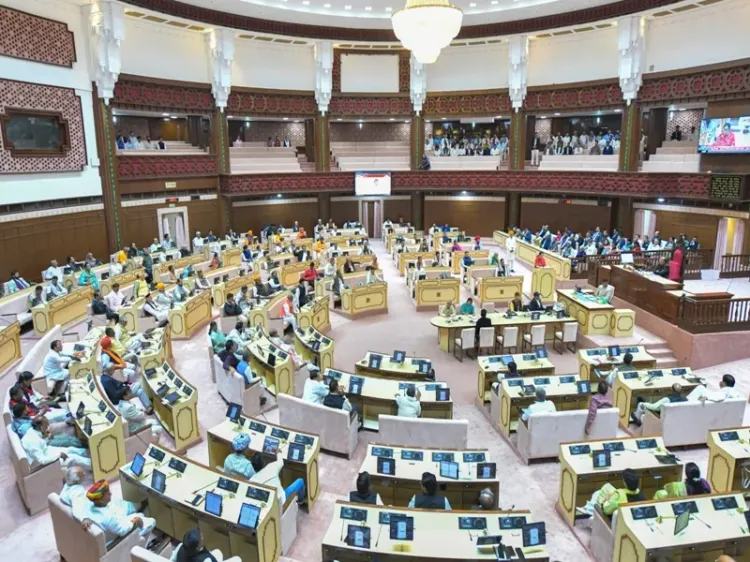
Jaipur, March 9 (NationPress) The Rajasthan Panchayati Raj (Amendment) Bill, 2026, which abolishes the two-child requirement for running in Panchayati Raj elections, was successfully passed following discussions in the Rajasthan Legislative Assembly on Monday.
This amendment modifies Section 19 of the Rajasthan Panchayati Raj Act, 1994, effectively removing the stipulation that disqualified candidates with more than two children from participating in Panchayati Raj elections.
With the introduction of this new amendment, there will be no child-related eligibility limitations for positions such as ward panch, sarpanch, panchayat samiti member, zila parishad member, pradhan, and district head.
The two-child policy was established approximately 31 years ago during the administration of former Chief Minister Bhairon Singh Shekhawat.
This provision was applicable to both Panchayati Raj institutions and urban local bodies. The formal elimination of this restriction has now been confirmed with the bill's passage in the Assembly.
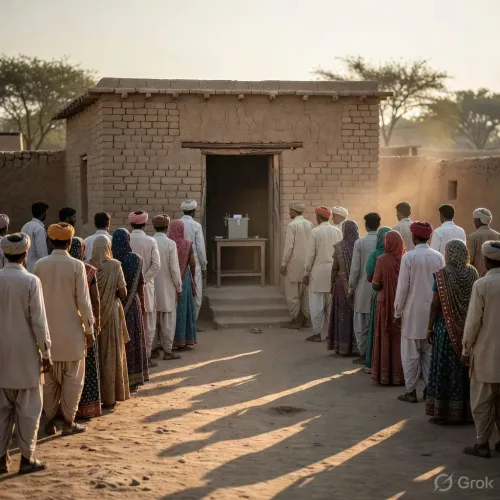
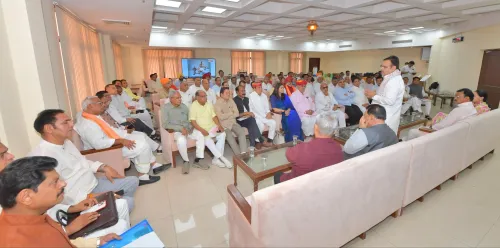
Presented in the Assembly on March 5, the amendment bill gained approval after thorough debate among members. The lifting of this restriction is anticipated to broaden the candidate pool and enhance competitiveness in Panchayati Raj elections.
Additionally, it may alter political dynamics and affect local leadership across villages and districts in the state. The bill is set to be forwarded to the Governor for final approval. Once the Governor's assent is obtained, a gazette notification will be issued, marking the official enforcement of the new provision to eliminate the two-child norm.
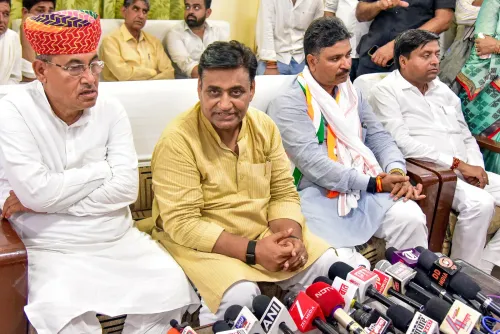
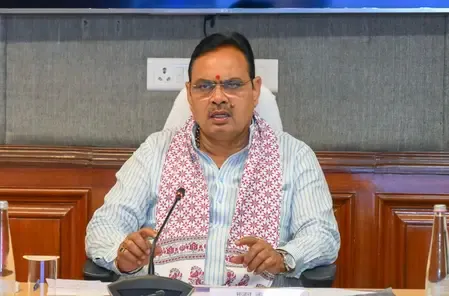
State Minister Madan Dilawar mentioned that the government recognized that numerous qualified individuals with the capability to motivate and serve the public, along with visionary leadership skills for institutions like panchayats, were unable to run for elections due to exceeding the two-child limit.
"Thus, the state government has opted to eliminate this disqualification from Section 19 of the aforementioned Act of 1994," Dilawar remarked while discussing the bill's objectives and rationale.
In the meantime, the Rajasthan Municipal (Amendment) Bill, which aims to lift the two-child eligibility requirement for urban local body elections, is scheduled for discussion and approval in the Assembly on Tuesday.
Point of View
The recent decision by the Rajasthan Assembly to eliminate the two-child norm reflects a progressive step towards inclusivity in local governance. This change acknowledges the capabilities of individuals beyond their family size and aims to foster a more competitive electoral landscape.
NationPress
7 Oct 2026
Frequently Asked Questions
What does the Rajasthan Panchayati Raj (Amendment) Bill, 2026 entail?
The bill removes the two-child requirement for contesting Panchayati Raj elections, allowing individuals with more than two children to participate.
When was the two-child norm introduced in Rajasthan?
The two-child norm was introduced approximately 31 years ago during the tenure of former Chief Minister Bhairon Singh Shekhawat.
What positions are affected by this amendment?
The amendment impacts eligibility for positions such as ward panch, sarpanch, panchayat samiti member, zila parishad member, pradhan, and district head.
What is the expected outcome of this amendment?
The amendment is expected to widen the pool of candidates, increase competition in elections, and potentially reshape political alignments.
Is there a similar bill for urban local bodies?
Yes, a Rajasthan Municipal (Amendment) Bill is also set to be discussed, which proposes to remove the two-child eligibility condition for urban local body elections.