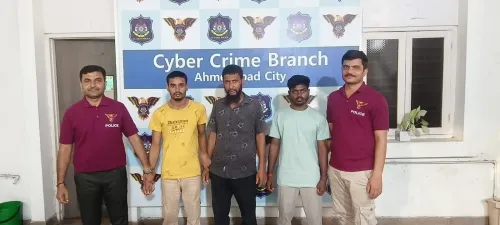
Rajasthan Police warns of AI, deepfake cyber fraud targeting Aadhaar
Synopsis
Rajasthan Police has named Google Gemini, ChatGPT, and Grok as tools being misused to crack Aadhaar biometrics — and deepfakes that mimic eye movements are now fooling facial authentication on DigiLocker and e-KYC platforms. The advisory is a rare, granular breakdown of exactly how identity theft has evolved, and the fix is a single tap: lock your Aadhaar biometrics now.
Key Takeaways
Rajasthan Police Cyber Crime Branch issued a public advisory on 20 May warning of AI and deepfake-based Aadhaar fraud.
Criminals misuse Common Service Centres (CSC) and UCL kits to change Aadhaar-linked mobile numbers and redirect OTPs.
AI-generated deepfakes replicating facial expressions and eye movements are being used to bypass DigiLocker , e-KYC , and online banking authentication.
Citizens are urged to lock Aadhaar biometrics immediately via the mAadhaar app or UIDAI website .
Fraud can be reported via the National Cyber Crime Reporting Portal or Cyber Helpline 1930 .
The Rajasthan Police Cyber Crime Branch has issued a public advisory alerting citizens to a sharp rise in Artificial Intelligence (AI) and deepfake-based cyber fraud, with criminals increasingly exploiting AI tools to bypass Aadhaar biometric security and commit financial crimes. The advisory, released on 20 May from Jaipur, outlines specific attack methods and urges immediate preventive action.
How the Fraud Works
According to the advisory, cybercriminals begin by harvesting a victim's Aadhaar number, photograph, and mobile details through phishing, social engineering, and data leaks. They then attempt to change the Aadhaar-linked mobile number by misusing Common Service Centres (CSC) or Update Client Lite (UCL) kits.
Once the registered mobile number is altered, OTPs are redirected to the criminals, granting them unauthorised access to digital accounts and services. This method effectively bypasses standard two-factor authentication that millions of Indians rely on for banking and government services.
The Deepfake Dimension
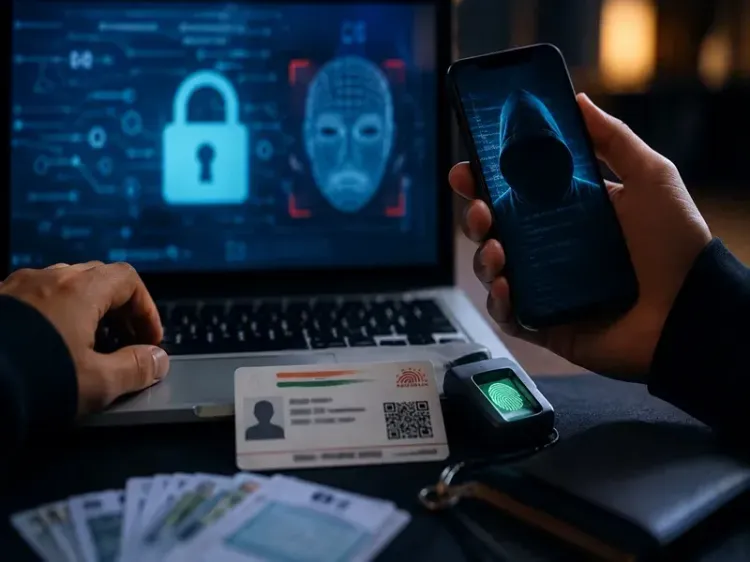
Additional Director General of Police (Cyber Crime) V.K. Singh highlighted a more sophisticated layer to these attacks: AI-powered deepfake technology capable of generating highly realistic fake videos that replicate a person's facial expressions and eye movements. Such fabricated visuals can deceive facial authentication systems used by platforms including DigiLocker, e-KYC portals, and online banking systems, enabling fraudulent transactions.
Singh noted that tools such as Google Gemini, OpenAI ChatGPT, and xAI Grok are among the AI platforms reportedly being misused to facilitate these attacks. This comes amid a broader national surge in AI-assisted cybercrime, with law enforcement agencies across multiple states flagging similar threats in recent months.
What Citizens Must Do Now
Rajasthan Police has urged all citizens to immediately lock their Aadhaar biometrics through the mAadhaar app or the official UIDAI website. Once locked, fingerprint and iris data cannot be used for authentication unless personally unlocked by the Aadhaar holder.
Citizens have also been advised to regularly review their Aadhaar authentication history on the UIDAI portal, which shows where and how Aadhaar credentials have been used over the past six months. Keeping an active email ID linked to Aadhaar for instant change notifications was also recommended.
Reporting and Helpline
ADG Singh urged citizens not to ignore SMS alerts regarding any updates to their Aadhaar-linked mobile number. In cases of fraud or attempted fraud, complaints can be filed at the nearest police station, a Cyber Police Station, or the National Cyber Crime Reporting Portal. The dedicated Cyber Helpline number 1930 is also available for immediate assistance.
As AI tools grow more accessible and deepfake quality improves rapidly, this advisory signals that identity-based cyber threats are entering a new and more dangerous phase — one that demands proactive steps from every digital citizen.
Point of View
ChatGPT, Grok — rather than speaking in vague generalities, which is a meaningful shift in how Indian law enforcement communicates cyber risk. But the deeper issue is structural: Aadhaar's biometric layer was designed for a pre-deepfake world, and UIDAI has yet to publicly detail how its liveness-detection systems are being hardened against synthetic media. The biometric lock feature exists and works, but awareness remains low — which means the gap between the threat and the public's preparedness is widening faster than advisories alone can close.
NationPress
23 Sept 2026
Frequently Asked Questions
What is the Rajasthan Police cyber fraud advisory about?
The Rajasthan Police Cyber Crime Branch issued an advisory on 20 May warning citizens about cybercriminals using AI tools and deepfake technology to bypass Aadhaar biometric security and commit financial fraud. The advisory outlines how attacks are carried out and what steps citizens can take to protect themselves.
How are criminals using AI to commit Aadhaar fraud?
Criminals collect a victim's Aadhaar number, photo, and mobile details through phishing or data leaks, then use AI tools and deepfakes to impersonate the victim and change the Aadhaar-linked mobile number via Common Service Centres or UCL kits. Once the number is changed, OTPs are redirected to the fraudster, giving access to banking and government services.
What is an Aadhaar biometric lock and how do I activate it?
An Aadhaar biometric lock prevents your fingerprint and iris data from being used for authentication without your explicit consent. You can activate it through the mAadhaar app or the official UIDAI website; once locked, biometrics cannot be used unless you personally unlock them.
Which platforms are at risk from deepfake-based fraud?
According to the advisory, deepfake videos that replicate facial expressions and eye movements can deceive facial authentication systems on DigiLocker, e-KYC platforms, and online banking portals, enabling fraudulent transactions.
How can I report an Aadhaar or cyber fraud incident?
You can report cyber fraud at the nearest police station, a Cyber Police Station, or the National Cyber Crime Reporting Portal. The dedicated Cyber Helpline number 1930 is also available for immediate assistance.