PM SVANidhi scheme: Street vendors from J&K to MP thank Centre for micro-credit lifeline
Synopsis
From a former daily labourer in Panipat invited to meet the PM on Republic Day, to a woman in Neemuch who turned a ₹10,000 loan into an incense-stick business — PM SVANidhi's real story is in its tiered credit ladder, which is quietly pulling street vendors across India's diverse regions into formal financial life.
Key Takeaways
PM SVANidhi was launched in June 2020 as India's first dedicated micro-credit programme for street vendors, targeting over 50 lakh beneficiaries.
Beneficiaries in Pulwama (J&K) , Neemuch (MP) , and Panipat (Haryana) report expanded businesses and improved household incomes.
The scheme offers collateral-free loans starting at ₹10,000 , scaling to ₹50,000 on timely repayment.
Women vendors in Neemuch have been among the most prominent beneficiaries, using loans to start incense-stick and earthenware businesses.
Vendor Govind of Panipat progressed from daily labourer to saving ₹10,000–₹15,000 per month and was reportedly invited to meet PM Modi on Republic Day .
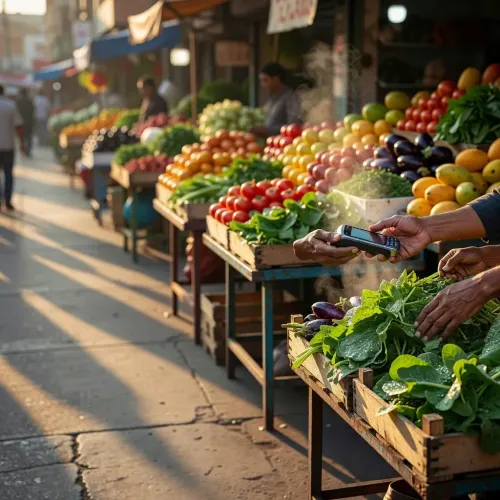
The scheme also links beneficiaries to digital payment infrastructure, furthering financial inclusion beyond credit alone.
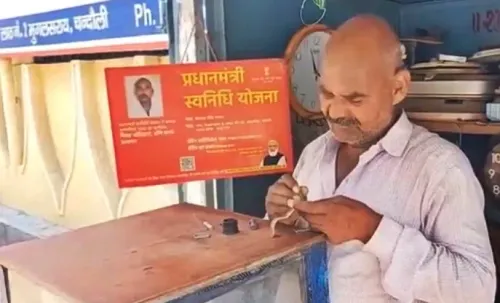
The Prime Minister Street Vendor's AtmaNirbhar Nidhi (PM SVANidhi) scheme, launched in June 2020 as India's first dedicated micro-credit programme for street vendors, has delivered measurable change in the livelihoods of small traders across the country — with beneficiaries from Jammu & Kashmir, Madhya Pradesh, and Haryana crediting the Central government initiative for helping them stabilise and grow their businesses.
Vendors in J&K Find a Financial Foothold
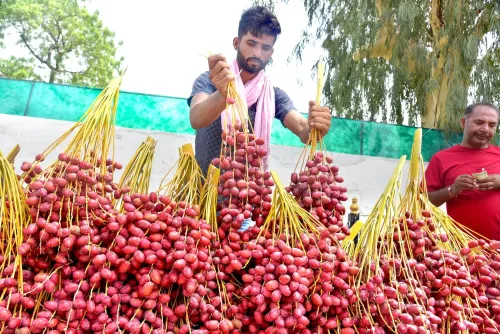
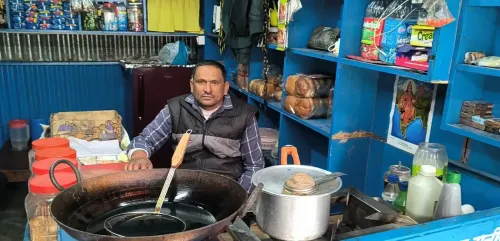
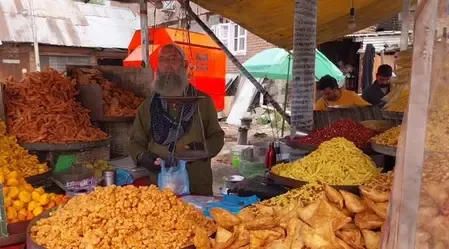
In Tral, located in Pulwama district of Jammu & Kashmir, street vendors have described the scheme's financial assistance as a turning point. One vendor said the support proved 'immensely beneficial' for sustaining his livelihood, and urged Kashmir's youth to avail themselves of the loan facility to either launch or strengthen small businesses. The outreach in a region historically underserved by formal credit channels marks a notable dimension of the scheme's reach.
Women Entrepreneurs Lead the Way in Neemuch
In Neemuch, Madhya Pradesh, the scheme has emerged as a particularly powerful vehicle for women's economic participation. Pushcart operators and small shopkeepers who previously struggled with fund shortages are now accessing collateral-free loans with relative ease.
Neemuch Chief Municipal Officer Durga Bamaniya told reporters, 'The PM SVANidhi scheme was implemented by Prime Minister Narendra Modi to empower street vendors and small retail traders financially during the COVID-19 pandemic.' He noted that women vendors had benefited significantly from the initiative.
Beneficiary Priyanka Jain said, 'I live in Neemuch. I received a loan of ₹10,000 from the municipality. With that loan, I procured raw materials for incense sticks and started a new business. It has been very beneficial for me. As a woman, I would like to say that what the Prime Minister is doing for women is excellent; he has empowered women from middle-class and impoverished backgrounds.'
Rekha Prajapati, another beneficiary, shared: 'I received a loan of ₹10,000 under the PM SVANidhi scheme. We manufacture and sell earthenware. This scheme has greatly benefited me and many other women like me. We used to stay at home, but now we have the opportunity to step out and work.'
Trader Gopal Krishna Chhabra added: 'I repaid the ₹10,000 loan on time. Earlier, I was operating on a small scale, but receiving the loan has been beneficial; I have expanded my market reach. I deal in whole spices, selling packets ranging from 10 grams to 100 grams.'
From Daily Labourer to Vendor: Panipat Stories of Resilience
In Panipat, Haryana, the scheme's tiered loan structure — starting at ₹10,000 and scaling to ₹50,000 upon timely repayment — has enabled vendors to build sustainable micro-enterprises.
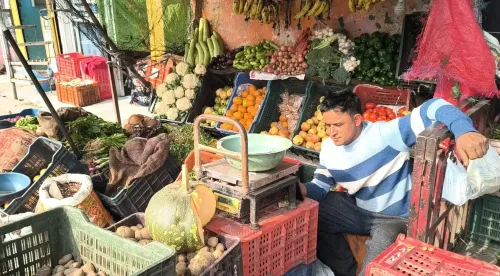
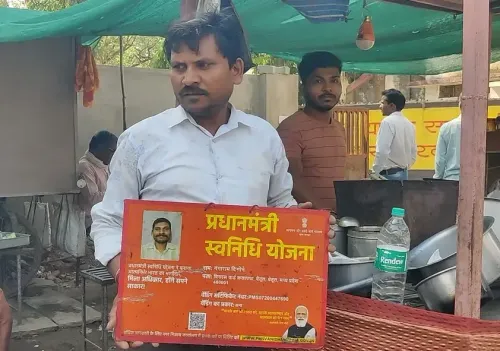
Vegetable vendor Govind, who worked as a daily labourer before the pandemic lockdown, began selling vegetables and progressively accessed loans of ₹10,000, then ₹20,000, and subsequently ₹50,000. He operates his cart daily between 3 pm and 10 pm, saving between ₹10,000 and ₹15,000 a month after expenses — funds he uses to service a monthly loan instalment of ₹3,100 and support a family of eight. In recognition of his entrepreneurial journey, Govind was reportedly invited to New Delhi to meet Prime Minister Modi on Republic Day.
Beneficiary Sunita followed a similar path. After an initial tea cart venture did not succeed, she pivoted to a chowmein cart using a fresh loan. She availed loans of ₹10,000, ₹20,000, and finally ₹50,000 in 2024, repaying all instalments on time. Sunita noted that income from the cart now covers both household expenses and her children's needs — a marked shift from the irregular earnings of odd jobs before the scheme.
Scheme Background and Broader Significance
Launched by the Ministry of Housing and Urban Affairs in June 2020, PM SVANidhi was designed to provide working capital credit to street vendors who lost their livelihoods during the COVID-19 lockdown. The scheme offers collateral-free loans, with amounts scaling up based on repayment track record, and also links vendors to digital payment infrastructure. This is notable because it simultaneously extends formal credit access and nudges beneficiaries toward financial inclusion — two outcomes that earlier urban poverty programmes often failed to deliver together.
The on-the-ground accounts from Pulwama to Panipat to Neemuch suggest the scheme's tiered structure is working as intended for a subset of beneficiaries. How widely these gains extend across the estimated 50 lakh-plus street vendors targeted under the programme will determine its long-term policy legacy.
Point of View
But ground-level success stories — however genuine — are not the same as programme-wide outcomes. The scheme's tiered credit structure is well-designed, yet independent audits of repayment rates, dropout ratios, and income mobility across its full beneficiary base remain sparse in the public domain. With over 50 lakh vendors targeted and a five-year implementation window now well advanced, the Centre's next accountability obligation is aggregate data, not anecdote. The scheme's real legacy will be measured not by the vendors who make it to Republic Day in Delhi, but by whether the ones who do not are tracked and supported with equal rigour.
NationPress
23 Sept 2026
Frequently Asked Questions
What is the PM SVANidhi scheme?
The PM SVANidhi (Prime Minister Street Vendor's AtmaNirbhar Nidhi) scheme is a micro-credit initiative launched in June 2020 by the Ministry of Housing and Urban Affairs to provide collateral-free working capital loans to street vendors affected by the COVID-19 lockdown. It offers loans starting at ₹10,000, scaling up to ₹50,000 based on timely repayment, and also encourages digital transactions.
Who can benefit from the PM SVANidhi scheme?
The scheme targets street vendors and small retail traders operating in urban areas, including pushcart operators, small shopkeepers, and vendors in categories such as vegetables, food, and handicrafts. Women vendors and those in regions like J&K have also been specifically highlighted as beneficiaries.
How much loan can a vendor get under PM SVANidhi?
Vendors can initially access a collateral-free loan of ₹10,000. Upon timely repayment, they become eligible for a second loan of ₹20,000 and subsequently a third loan of up to ₹50,000, creating a tiered credit ladder tied to financial discipline.
What impact has PM SVANidhi had on women vendors?
Women vendors have been among the most prominent beneficiaries, particularly in states like Madhya Pradesh. Beneficiaries in Neemuch used ₹10,000 loans to start businesses in incense sticks and earthenware — trades that kept them homebound before the scheme enabled them to step out and work independently.
When was PM SVANidhi launched and why?
PM SVANidhi was launched in June 2020 in response to the COVID-19 pandemic, which severely disrupted the livelihoods of street vendors who had no access to formal credit. It was designed as India's first dedicated scheme to bring this segment into formal financial channels through micro-credit and digital payment integration.