Rajasthan Police launches 'Positive Behaviour in Policing' training in Jaipur
Synopsis
Rajasthan Police has moved beyond administrative directives to institutionalise citizen-sensitivity through a structured three-day behavioural training programme for 35 personnel at IIHMR University, Jaipur. DGP Rajiv Kumar Sharma's message — firm on crime, empathetic to the public — signals a deliberate effort to shift policing culture from the station level upward.
Key Takeaways
Rajasthan Police launched the 'Positive Behaviour in Policing' training on 15 October 2026 at IIHMR University, Jaipur .
A total of 35 police personnel are participating; the programme runs until 17 October .
DGP Rajiv Kumar Sharma inaugurated the programme and addressed participants, stressing dual pillars of firmness against criminals and sensitivity towards citizens.
The DGP clarified that sensitivity does not mean leniency — victims must receive assistance through proper legal procedures.
Personnel were urged to reassess police station operations, share professional case studies and contribute actively to improving public perception.
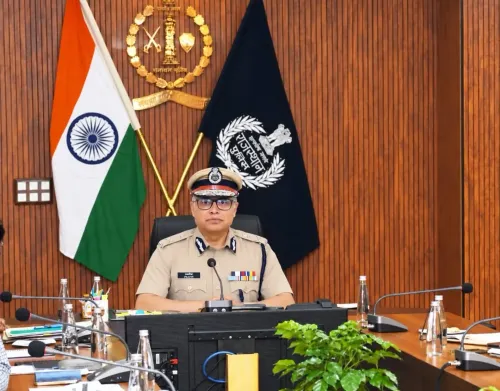
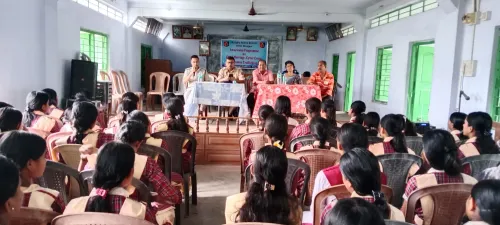
Rajasthan Police has launched a structured three-day training initiative aimed at improving police-public relations across the state, combining sensitivity towards citizens with a firm stance against crime. The programme, titled 'Positive Behaviour in Policing', commenced on Thursday, 15 October 2026, at IIHMR University in Jaipur, and will run until 17 October.
Programme Overview
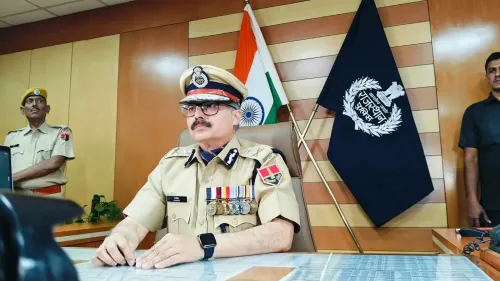
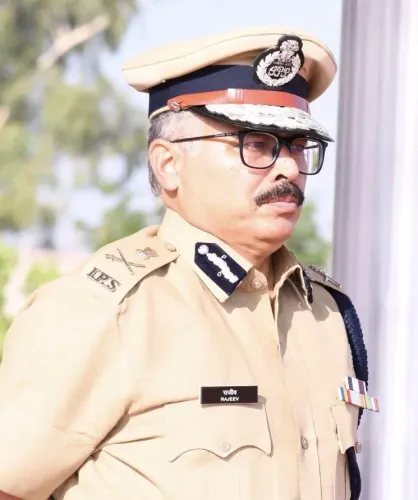
A total of 35 police personnel are participating in the training, which focuses on improving conduct during public interactions, building transparent communication and fostering a positive perception of policing. Director General of Police (DGP) Rajiv Kumar Sharma inaugurated the programme by lighting the ceremonial lamp and addressed the participants directly.
What DGP Sharma Said
Addressing participants, DGP Sharma said Rajasthan Police's sensitive approach towards the public and firm action against criminals are already being discussed across the country. He stressed that all personnel share the responsibility of maintaining this image. 'Treat people at the police station the way you would want to be treated yourself,' he told participants, urging them to adopt the perspective of a citizen visiting a station to lodge a complaint.
He was clear that sensitivity does not mean leniency towards offenders. Rather, he said, it means ensuring that victims receive appropriate assistance through proper legal procedures. Firmness towards criminals and sensitivity towards the general public, he asserted, must remain the two fundamental pillars of policing.
Recognising the Pressures of Police Work
Acknowledging the demanding nature of the profession, the DGP noted that personnel routinely face long working hours, pressure to make rapid decisions, and constantly evolving challenges. In such conditions, he said, clear communication, empathetic behaviour and an unwavering commitment to the law are essential. He also pointed out that police conduct is under constant public scrutiny in an era of increasing transparency, urging participants to share professional experiences and successful case studies during the sessions.
Broader Context and What This Signals
The initiative comes at a time when police reform and public accountability are recurring policy conversations across several Indian states. Rajasthan Police's decision to institutionalise behavioural training — rather than restrict reform efforts to administrative directives — reflects a shift toward embedding citizen-sensitivity in operational culture. This is the first such structured programme conducted at IIHMR University, a recognised health management institution, indicating a cross-sector approach to professional development. The programme's focus on police station-level interactions is significant, given that most citizens' contact with law enforcement occurs at that level. Going forward, the outcomes of this batch's training may determine whether the initiative is scaled to a wider pool of personnel across the state.
Point of View
But its impact depends entirely on whether the lessons survive contact with daily operational pressures. Thirty-five participants in one batch is a modest start for a state police force of Rajasthan's size. The real test is whether the programme is institutionalised, scaled and linked to performance metrics — or whether it remains a well-intentioned workshop. DGP Sharma's framing of sensitivity and firmness as complementary, not competing, is the right instinct; translating it into station-level culture is where most such initiatives have historically fallen short.
NationPress
15 Oct 2026
Frequently Asked Questions
What is the 'Positive Behaviour in Policing' initiative by Rajasthan Police?
It is a three-day training programme launched by Rajasthan Police on 15 October 2026 at IIHMR University in Jaipur, aimed at improving police conduct, building public trust and reinforcing sensitive yet firm policing. A total of 35 personnel are participating in the inaugural batch.
Who inaugurated the Rajasthan Police training programme?
Director General of Police (DGP) Rajiv Kumar Sharma inaugurated the programme by lighting the ceremonial lamp and addressed participants, outlining the twin pillars of sensitivity towards citizens and firmness against criminals.
What does DGP Sharma mean by 'sensitivity' in policing?
DGP Sharma clarified that sensitivity does not imply leniency towards offenders. It means listening to citizens patiently, responding empathetically, and ensuring victims receive appropriate assistance through due legal procedures.
When does the training programme conclude?
The three-day programme began on 15 October 2026 and is scheduled to conclude on 17 October 2026 at IIHMR University, Jaipur.
Why is this initiative significant for Rajasthan?
The programme represents a structured, institution-based approach to police reform, focusing on station-level public interaction — the most common point of contact between citizens and law enforcement. It signals an effort to embed behavioural change into policing culture rather than relying solely on administrative directives.