Rajasthan DGP orders statewide law and order crackdown ahead of Panchayat polls
Synopsis
Rajasthan DGP Rajiv Kumar Sharma has ordered a top-to-bottom law-and-order tightening — from clearing years-old pending cases to body cameras at checkpoints — with Panchayati Raj elections and festivals adding urgency. The directive is unusually broad: it targets rogue police personnel, rising crimes against women, drug enforcement gaps, and cybercrime in a single sitting.
Key Takeaways
DGP Rajiv Kumar Sharma chaired a statewide crime and law-and-order review at Police Headquarters, Jaipur on 14 October 2026 .
Officers directed to identify and monitor contentious cases that could disrupt public order at police station, circle, and district levels.
SPs to review cases pending over one year ; Range IGs to review cases pending over three years .
Districts with more than 5% rise in BNS/IPC cases must prepare dedicated crime action plans.
Comprehensive police deployment plans ordered for upcoming Panchayati Raj elections and festival period.
Police personnel directed to wear body cameras during checkpoint operations; Zero FIRs to be registered without jurisdictional delay.
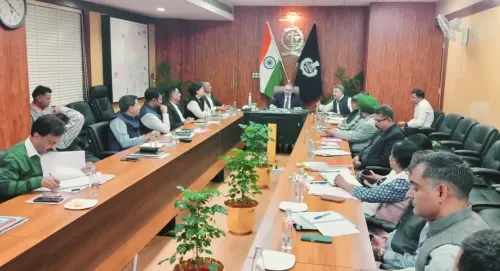
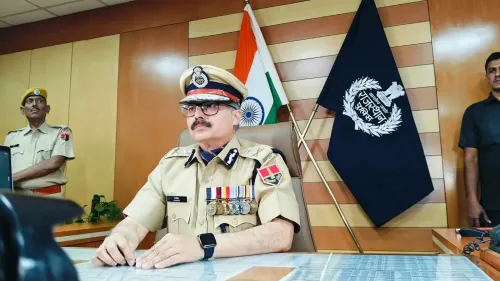
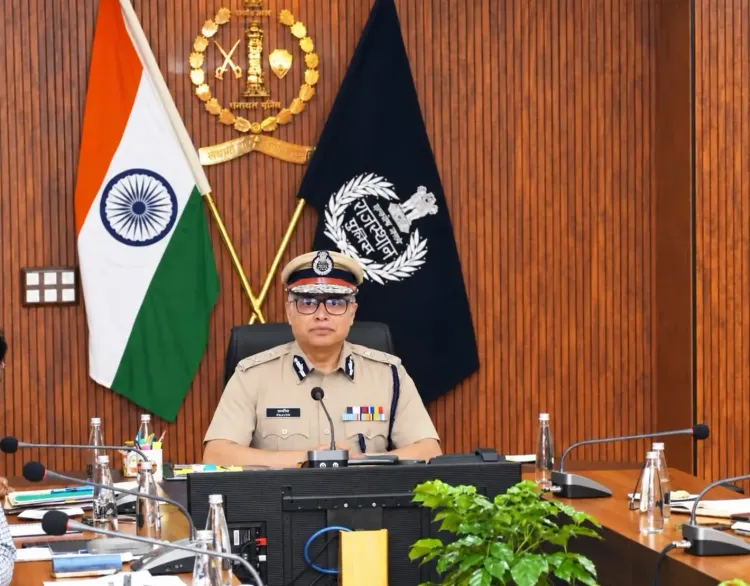
Director General of Police (DGP) Rajiv Kumar Sharma on Wednesday, 14 October 2026, directed all police officers across Rajasthan to maintain heightened vigilance on law and order and ensure prompt, effective action in every situation. The directive came during a comprehensive crime and law-and-order review meeting held at Police Headquarters, Jaipur, attended by senior officers from across the state.
Meeting Details and Key Participants
The review brought together Inspectors General of Police (IGPs) from all ranges and Superintendents of Police (SPs) from all districts via video conference. Additional Directors General of Police (ADGs) and other senior officers attended in person at Police Headquarters. The meeting examined several critical issues — timely disposal of pending cases, crime prevention, monitoring of sensitive incidents, preparations for the upcoming Panchayati Raj elections, and standards of conduct among police personnel.
Sensitive Cases and Dispute Resolution
DGP Sharma directed officers to identify cases involving contentious issues that could potentially disrupt public order and prioritise their monitoring. He instructed that lists of such cases be prepared and regularly reviewed at police station, circle, and district levels. Officers were told to coordinate in a timely manner with relevant departments, including the Revenue and Forest Departments, to resolve disputes before they escalate. Mediation, preventive measures, and other appropriate legal remedies were prescribed to contain local disputes from snowballing into serious law-and-order situations.
Accountability for Police Personnel
Taking serious note of instances involving police personnel allegedly engaged in criminal activities, the DGP directed officers to identify and monitor such individuals and initiate appropriate action in accordance with rules. He stressed that field personnel must maintain sensitive, courteous, and cooperative behaviour towards the public, hear complainants regularly, and ensure timely resolution of grievances. The DGP made clear that negligence in law-and-order matters would not be tolerated and that responsibility would be fixed at every level. Officers were also directed to use body cameras during checkpoint operations to promote transparency and professionalism.
Pending Cases and Crime Trends
The DGP directed the time-bound disposal of pending cases at police stations, instructing respective SPs to review cases pending for more than one year and Range IGs to review cases pending over three years. Districts recording an increase of more than five per cent in cases under the Bharatiya Nyaya Sanhita (BNS) and the Indian Penal Code (IPC) were directed to analyse crime trends and prepare effective action plans. Districts with comparatively low enforcement under the Narcotic Drugs and Psychotropic Substances (NDPS) Act were told to intensify anti-drug efforts. Districts witnessing a significant rise in crimes against women were instructed to examine underlying causes and formulate concrete corrective strategies.
Election and Festival Preparedness
With the Panchayati Raj elections and upcoming festivals in view, the DGP directed all districts to prepare comprehensive police deployment plans and maintain heightened vigilance in sensitive areas. Officers were instructed to identify anti-social elements, take preventive action, intensify regular patrolling, and ensure effective nakabandi (police checkpoints). Continuous monitoring in sensitive areas, visible police presence during festival periods, and field deployment of Kalika patrolling units were also emphasised. Additionally, the DGP stressed prompt action in cybercrime cases and directed officers to ensure registration of Zero FIRs wherever applicable to prevent jurisdictional delays from obstructing justice.
The DGP's directive signals a comprehensive enforcement push across Rajasthan, with follow-up compliance reviews at district and range levels expected to determine how effectively ground-level implementation matches headquarters-level intent.
Point of View
Police misconduct, drug enforcement, crimes against women, election security, cybercrime, and body cameras suggests that systemic gaps are wide enough to require simultaneous attention at the highest level — not a sign of robust routine oversight. The instruction to fix 'responsibility at every level' is a standard administrative phrase, but its real test is whether non-compliance is actually penalised or merely noted at the next review. With Panchayati Raj elections approaching, the timing of this directive is as much political as administrative: a visible crackdown ahead of polls reduces the risk of post-election law-and-order flashpoints being attributed to police inaction. Whether ground-level SPs treat this as a genuine operational reset or a compliance ritual will determine its actual impact.
NationPress
14 Oct 2026
Frequently Asked Questions
What did Rajasthan DGP Rajiv Kumar Sharma direct at the law-and-order review meeting?
DGP Rajiv Kumar Sharma directed all Rajasthan police officers to maintain heightened law-and-order vigilance, expedite disposal of pending cases, monitor sensitive incidents, and prepare for the upcoming Panchayati Raj elections and festivals. The review was held at Police Headquarters in Jaipur on 14 October 2026.
What steps were ordered for pending criminal cases in Rajasthan?
SPs were instructed to review cases pending for more than one year, while Range IGs must review those pending over three years. The DGP called for effective action plans to clear old cases, pending charge sheets, and Final Reports, and directed officers to remove procedural obstacles causing delays.
How is Rajasthan police preparing for the Panchayati Raj elections?
All districts have been directed to prepare comprehensive police deployment plans, identify anti-social elements, intensify patrolling, and ensure effective nakabandi in sensitive areas. Kalika patrolling units are to maintain a field presence throughout the festival and election period.
What action is being taken against police personnel involved in criminal activities?
DGP Sharma took serious note of instances involving police personnel allegedly engaged in criminal activities and directed officers to identify and monitor such individuals, initiating appropriate action under applicable rules. He also made clear that negligence in law-and-order matters will not be tolerated at any level.
What new accountability measures were announced for Rajasthan police?
Officers were directed to use body cameras during checkpoint operations to ensure transparency and professionalism. The DGP also emphasised Zero FIR registration in cybercrime cases to prevent jurisdictional issues from delaying justice for victims.