Rajasthan tops grain storage scheme with 200 warehouses, leads cooperative reforms
Synopsis
Rajasthan has quietly built the most extensive cooperative infrastructure in India — 200 grain warehouses, 5,646 digitised PACS, 1,977 M-PACS, and a ₹10,000 crore dairy turnover in a single year. The numbers signal that 'Sahkar se Samriddhi' is no longer just a slogan in the state; it is becoming a measurable rural economy shift.
Key Takeaways
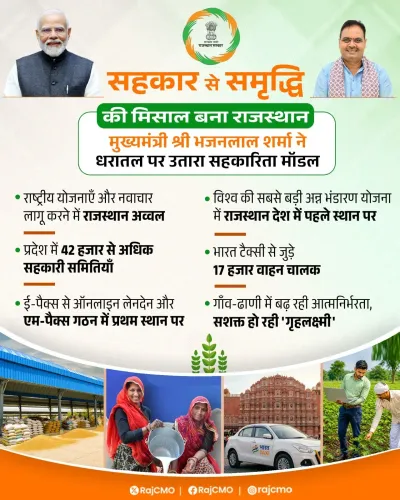
Rajasthan leads the country under the world's largest grain storage scheme, with 200 warehouses sanctioned in 2024-25 and 2025-26 ; 120 are complete.
An additional 50 warehouses are planned for 2026-27 , adding 1.25 lakh metric tonnes of storage capacity over three years.
5,646 of 6,781 PACS have been converted to e-PACS, recording over 10 crore online transactions — the highest among all states.
1,977 M-PACS established, and 5,279 new cooperative societies formed at the gram panchayat level — both national highs.
RCDF and district milk unions posted a record ₹10,000 crore turnover in their 47-year history; membership up 70 per cent .
Over 71 lakh farmers received ₹2,726 crore under the Chief Minister Kisan Samman Nidhi Yojana .
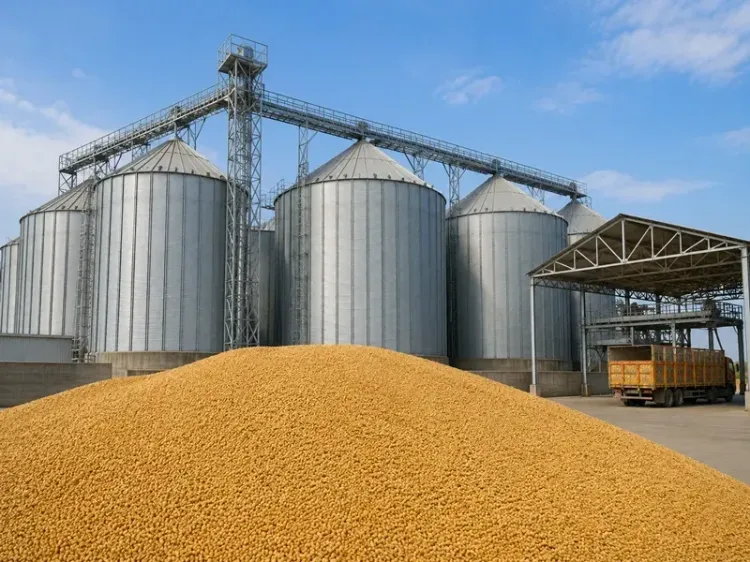
Rajasthan has emerged as the national leader under the world's largest grain storage scheme, with 200 warehouses sanctioned across 2024-25 and 2025-26, of which 120 have already been completed and the rest are under construction, according to state officials. The state further plans to add 50 warehouses in 2026-27, which will collectively boost grain storage capacity by 1.25 lakh metric tonnes over three years.
Key Developments at Bharat Mandapam
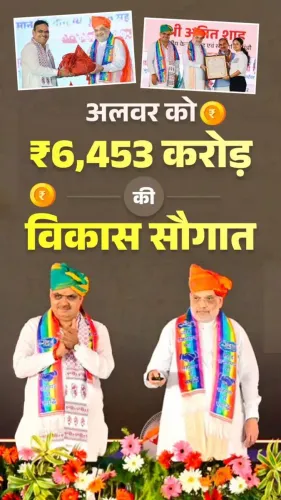
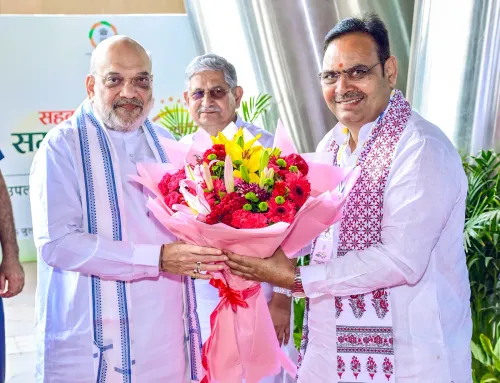
Rajasthan's achievements were formally recognised at a national function held at Bharat Mandapam, New Delhi, on 6 July 2026, attended by Union Home and Cooperation Minister Amit Shah and Chief Minister Bhajanlal Sharma. At the event, foundation stones were laid for 10 new warehouses, 50 warehouses were inaugurated, and 100 warehouses were formally transferred to the State Warehousing Corporation.
Cooperative Network and PACS Digitalisation
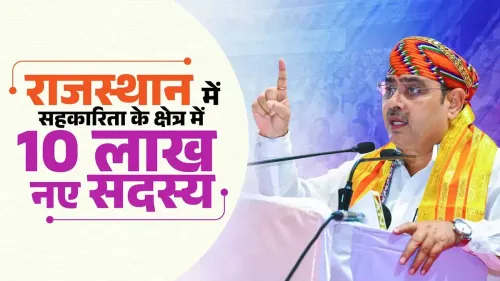
Rajasthan's cooperative network now spans more than 42,000 cooperative societies with a membership exceeding 1.35 crore. A recent membership drive added 8.90 lakh new members, deepening the cooperative ecosystem across rural and urban areas. The state has also taken the top national rank in the computerisation of Primary Agricultural Credit Societies (PACS): of the 6,781 PACS identified in the first phase, 5,646 have been converted into e-PACS, collectively recording over 10 crore online transactions — nearly one-third of all such transactions nationally.
Under the initiative to establish a cooperative society in every gram panchayat, the state has formed 5,279 new cooperative societies and set up 1,977 Multi-Purpose Primary Agricultural Credit Societies (M-PACS), securing the top rank in both categories. Nearly 4,875 PACS are now engaged in three or more business activities, offering services such as Common Service Centres, Pradhan Mantri Kisan Samriddhi Kendras, Farmer Producer Organisations (FPOs), and Jan Aushadhi Kendras in rural areas.
Dairy Sector Turnaround and Farmer Support
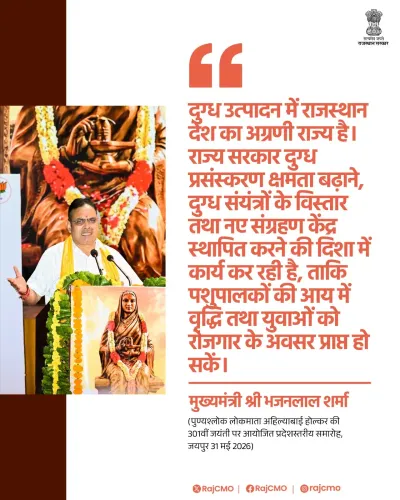
Rajasthan's dairy cooperative sector has recorded a significant financial turnaround. Membership of the Rajasthan Cooperative Dairy Federation (RCDF) and district milk unions has grown by 70 per cent, with approximately 9.40 lakh milk-producing members, of whom more than 4.20 lakh are women. The RCDF and district milk unions have posted a combined turnover of ₹10,000 crore — the highest in their 47-year history — with several previously loss-making units returning to profitability.
Complementing the central government's Pradhan Mantri Kisan Samman Nidhi, the state has transferred ₹2,726 crore under the Chief Minister Kisan Samman Nidhi Yojana to the accounts of over 71 lakh farmers. Around 60,000 livestock rearers have also received loans under the Gopal Credit Card Scheme.
New Cooperative Initiatives Across Sectors
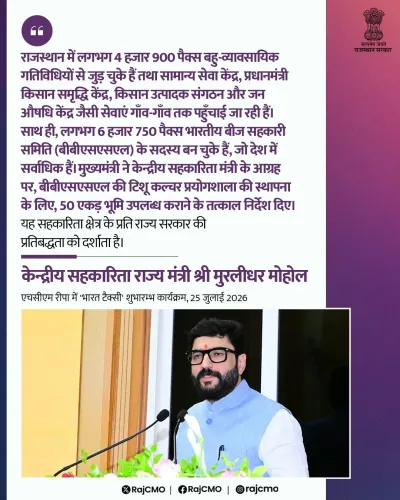
To connect farmers with national and international markets, 6,753 PACS have been enrolled as members of the Bharatiya Beej Sahakari Samiti Limited — the highest count by any state. In support of the Prime Minister's Shree Anna initiative, 240 Shree Anna outlets have been established across the state to promote millet-based products. The state has also launched the Bharat Taxi cooperative platform in Jaipur, with more than 17,000 cab, auto-rickshaw, and bike taxi drivers joining the digital cooperative to provide affordable mobility. The cooperative model is now being extended to healthcare, with the aim of broadening community-based service delivery across Rajasthan.
Officials described these developments as a translation of Prime Minister Narendra Modi's vision of 'Sahkar se Samriddhi' (Prosperity through Cooperation) into measurable outcomes, with Rajasthan securing the top position in several key cooperative indicators nationally. The state's next milestone will be the completion of the remaining warehouses and the addition of 50 new units in the coming financial year.
Point of View
Digital PACS, dairy, seed supply, and now urban taxi services are all being channelled through the cooperative model. What is less clear is whether the pace of formation is being matched by quality of governance: rapid membership growth and new society registrations have historically preceded dormancy in India's cooperative sector. The ₹10,000 crore RCDF turnover is a genuine milestone, but the more telling test will be whether the loss-making units that have 'returned to profitability' sustain it beyond a single good season. The state's top rank in e-PACS transactions is credible and verifiable; the broader cooperative revival story deserves equally granular scrutiny.
NationPress
9 Oct 2026
Frequently Asked Questions
How many grain warehouses has Rajasthan built under the world's largest grain storage scheme?
Rajasthan has had 200 warehouses sanctioned under the scheme during 2024-25 and 2025-26, of which 120 have been completed and the rest are under construction. An additional 50 warehouses are planned for 2026-27, which will add 1.25 lakh metric tonnes of storage capacity over three years.
What is the status of PACS digitalisation in Rajasthan?
Of the 6,781 Primary Agricultural Credit Societies (PACS) identified in the first phase, 5,646 have been converted into e-PACS. These societies have collectively recorded over 10 crore online transactions — the highest share among all states, accounting for nearly one-third of all such transactions in the country.
What record has the Rajasthan Cooperative Dairy Federation achieved?
The Rajasthan Cooperative Dairy Federation (RCDF) and district milk unions recorded a combined turnover of ₹10,000 crore — the highest in their 47-year history. Membership has grown by 70 per cent, with over 4.20 lakh women among approximately 9.40 lakh milk-producing members.
What is the Bharat Taxi cooperative platform launched in Rajasthan?
Bharat Taxi is a state-launched cooperative-based digital taxi platform operating in Jaipur, designed as an alternative to private app-based ride services. More than 17,000 cab, auto-rickshaw, and bike taxi drivers have joined the platform, which aims to provide affordable mobility while supporting drivers' livelihoods.
How much has Rajasthan transferred under the Chief Minister Kisan Samman Nidhi Yojana?
The state government has transferred ₹2,726 crore under the Chief Minister Kisan Samman Nidhi Yojana directly to the accounts of over 71 lakh farmers, complementing the central government's Pradhan Mantri Kisan Samman Nidhi scheme.