Rajasthan leads India in PMFBY with 2.19 crore policies issued
Synopsis
Rajasthan has claimed the top spot in India under the Pradhan Mantri Fasal Bima Yojana, with the Chief Minister's Office announcing that over 2.19 crore crop insurance policies have been issued — the highest in the country — offering a major financial safety net to the state's farming households.
Key Takeaways
The Chief Minister's Office of Rajasthan announced on 21 June 2026 that the state leads India in PMFBY enrolment.
More than 2.19 crore crop insurance policies have been issued under the scheme in Rajasthan.
PMFBY was launched by the Government of India in 2016 to provide subsidised crop insurance replacing older schemes like NAIS.
Chief Minister Bhajan Lal Sharma has been in office since December 2023 and has prioritised central agricultural scheme implementation.
Rajasthan is India's largest state by area, with large swathes of rainfed, drought-prone farmland making crop insurance especially critical.
The announcement was made under the #आपणो_अग्रणी_राजस्थान campaign, framing the milestone as a governance achievement.
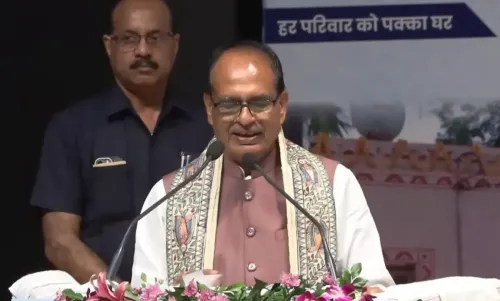
The Chief Minister's Office of Rajasthan announced on Sunday, 21 June 2026 that the state has emerged as the leading state in India under the Pradhan Mantri Fasal Bima Yojana (PMFBY), with more than 2.19 crore insurance policies issued to farmers so far. The announcement, made under the hashtags #आपणो_अग्रणी_राजस्थान ('Our Leading Rajasthan') and #शहरी_सेवा_शिविर_2026, was attributed to Chief Minister Bhajan Lal Sharma.
Context
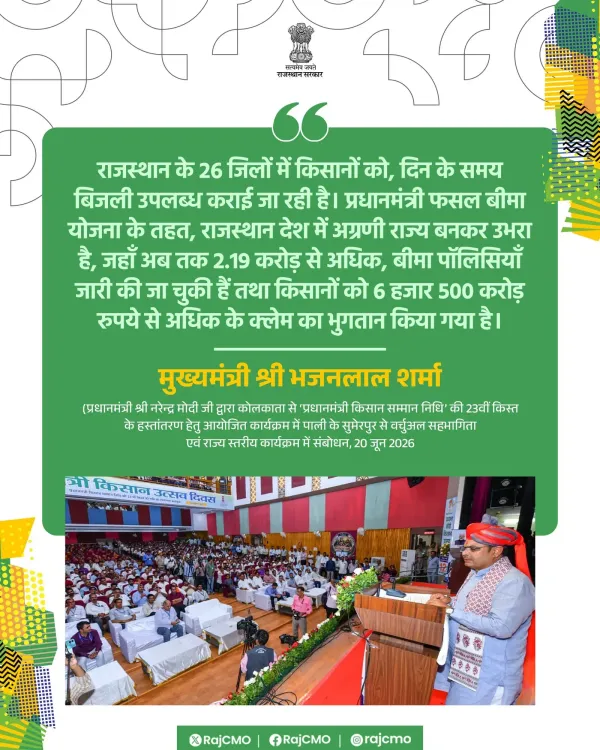
The post, shared on the official Rajasthan CMO account, states: 'Pradhan Mantri Fasal Bima Yojana ke tahat, Rajasthan desh mein agrani rajya bankar ubhra hai, jahan ab tak 2.19 crore se adhik bima policies jaari ki ja chuki hain' — translated as: 'Under the Pradhan Mantri Fasal Bima Yojana, Rajasthan has emerged as the leading state in the country, where more than 2.19 crore insurance policies have been issued so far.' The claim positions Rajasthan ahead of all other Indian states in total PMFBY enrolment.
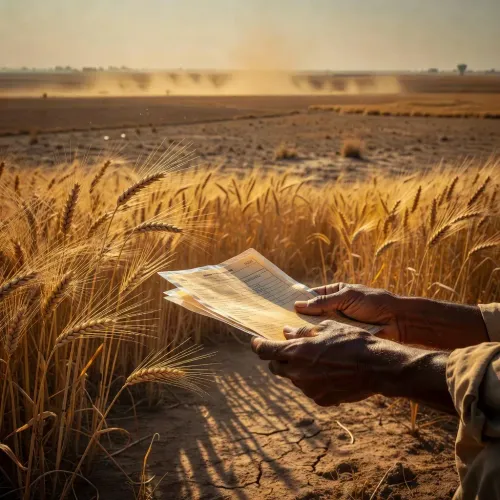
Rajasthan is India's largest state by area, characterised by extensive rainfed agriculture in arid and semi-arid zones that are acutely vulnerable to drought and monsoon variability. The scale of the state's farming population makes it a natural candidate for high policy volumes under any crop insurance programme.
Policy Backdrop
The Pradhan Mantri Fasal Bima Yojana was launched by the Government of India in 2016, replacing older schemes such as the National Agricultural Insurance Scheme (NAIS). It provides subsidised crop insurance covering yield losses caused by weather events, pests, and other natural calamities, with the Ministry of Agriculture and Farmers Welfare administering the programme in partnership with state governments.
Under the scheme's cost-sharing model, the premium subsidy is split between the central and state governments, while state administrations are responsible for farmer enrolment, awareness campaigns, and coordinating claim settlements. Since its launch, PMFBY has progressively expanded across agrarian states, with enrolment figures frequently cited as a measure of implementation success.
Stakeholders and Impact
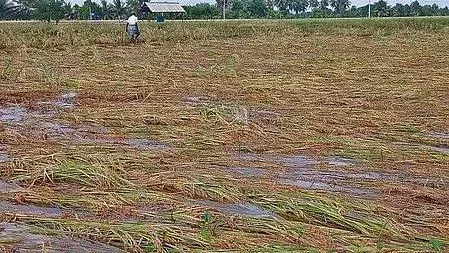
The primary beneficiaries are Rajasthan's farming and rural households, who gain financial protection against crop failure — a critical safety net in a state where agriculture remains the principal livelihood for a large share of the population. A policy count of over 2.19 crore suggests broad reach across the state's districts, including its most drought-prone western and central regions.
Chief Minister Bhajan Lal Sharma, who took office in December 2023, has made the rollout of central agricultural welfare schemes a visible part of his administration's public communications. The announcement coincides with the #शहरी_सेवा_शिविर_2026 campaign, indicating the figure is being highlighted as part of a broader governance outreach initiative.
What's Next
Attention will now turn to the next season's enrolment data from the Ministry of Agriculture and Farmers Welfare, which will indicate whether Rajasthan sustains its lead in PMFBY coverage. Any revision in the premium subsidy-sharing formula between the centre and states could also affect the pace of enrolment in future kharif and rabi seasons.
As climate variability continues to threaten agricultural output across Rajasthan, the state's performance in crop insurance enrolment will remain a key indicator of its rural welfare delivery — and a benchmark other large agrarian states are likely to contest.
Point of View
Using a quantifiable welfare metric to signal delivery on agricultural promises ahead of future electoral cycles. The state's geographic scale and large farming population give it a structural advantage in raw policy numbers, but the more meaningful test will be claim settlement ratios and actual payouts to distressed farmers. The announcement fits a broader pattern of BJP-governed states competing to demonstrate implementation leadership on centrally sponsored schemes — a dynamic that serves both the state government and the Centre's flagship programme narrative. Analysts will watch whether this enrolment lead translates into faster, dispute-free claim disbursements in Rajasthan's chronically drought-affected districts.
NationPress
20 Sept 2026
Frequently Asked Questions
What is the Pradhan Mantri Fasal Bima Yojana?
The Pradhan Mantri Fasal Bima Yojana (PMFBY) is a central government crop insurance scheme launched in 2016 that provides subsidised coverage to farmers against yield losses caused by weather events, pests, and natural calamities, replacing older programmes like the National Agricultural Insurance Scheme.
How many PMFBY policies has Rajasthan issued?
According to the Chief Minister's Office of Rajasthan, more than 2.19 crore insurance policies have been issued under PMFBY in the state, which it claims is the highest among all Indian states.
Why is Rajasthan considered vulnerable in agriculture?
Rajasthan is India's largest state by area and has extensive rainfed farmland in arid and semi-arid zones that are highly susceptible to drought and erratic monsoon patterns, making crop insurance a critical safety net for its farming population.
Who is the Chief Minister of Rajasthan in 2026?
Bhajan Lal Sharma of the BJP has been the Chief Minister of Rajasthan since December 2023.
How does PMFBY work between the central and state governments?
Under PMFBY, the premium subsidy is shared between the Government of India and the respective state government, while state administrations manage farmer enrolment, awareness campaigns, and coordination of insurance claim settlements.