NFDB meet: Rajiv Ranjan Singh urges last-mile outreach, measurable fisheries growth
Synopsis
India's fish output has surged from 141.64 lakh tonnes in 2019-20 to nearly 198 lakh tonnes — but at the NFDB's 13th governing body meeting in Hyderabad, Union Minister Rajiv Ranjan Singh made clear that raw numbers are no longer enough. He wants measurable outcomes, digital upgrades, and real last-mile reach to farmers, with ₹70,000 crore in seafood exports now on the line.
Key Takeaways
Union Minister Rajiv Ranjan Singh chaired the 13th NFDB governing body meeting in Hyderabad on 6 November 2026 .
India's fish production rose from 141.64 lakh tonnes in 2019-20 to 197.75 lakh tonnes .
Seafood exports are currently valued at approximately ₹70,000 crore , with calls for further growth.
Focused support directed to North-Eastern and inland states to bridge production and consumption gaps.
State ministers sought Central support for fish markets , Integrated Aqua Parks , and convergence with Rural Development programmes.
Greater private investment through FFPOs , cooperatives, and start-ups identified as a key lever for sectoral growth.
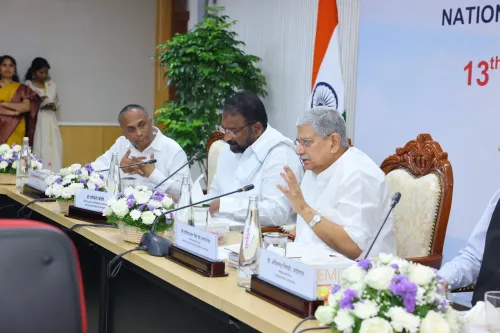
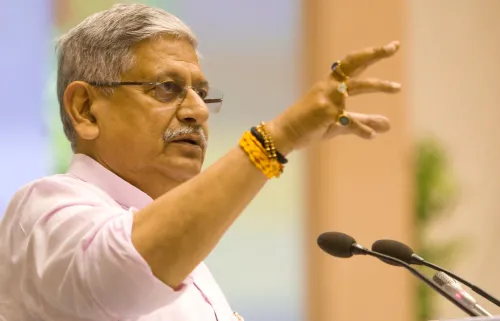
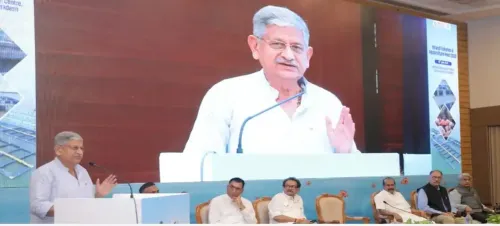
Union Minister Rajiv Ranjan Singh on Friday, 6 November 2026, called upon the National Fisheries Development Board (NFDB) to transform into a proactive development institution with stronger last-mile outreach to fish farmers, greater coordination with states and Union Territories, and measurable outcomes driving its future interventions. Singh was speaking at the 13th governing body meeting of NFDB, held in Hyderabad.
Fish Production Growth and the Road Ahead
Singh acknowledged the significant rise in fish production — from 141.64 lakh tonnes in 2019-20 to 197.75 lakh tonnes in recent data — but stressed that enhanced production and productivity must continue, guided by verifiable outcomes. He directed focused support to North-Eastern and inland states to close production, supply, and consumption gaps and push towards self-sufficiency in fisheries.
The minister also emphasised timely operationalisation and completion of projects, along with effective utilisation of funds, as central to improving incomes and livelihood security for fishers across the country.
Strengthening Digital Presence and Private Investment
Dr Abhilaksh Likhi, Secretary (Fisheries), Department of Fisheries, highlighted the department's ongoing efforts to expand aquaculture and strengthen seafood exports, currently valued at approximately ₹70,000 crore. He called for a stronger digital presence for NFDB and simpler stakeholder support and feedback mechanisms to improve ease of doing business in the sector.
Dr Likhi also underscored the need for greater private investment and entrepreneurship, to be channelled through cooperatives, Fish Farmer Producer Organisations (FFPOs), start-ups, and private entrepreneurs. Regular consultations with states and structured stakeholder feedback, he said, are essential for continuous improvement of fisheries policies.
What State Fisheries Ministers Sought
State Fisheries Ministers present at the meeting called for strengthened fisheries infrastructure and continued Central support for the establishment of fish markets and Integrated Aqua Parks. They stressed greater convergence between Fisheries and Rural Development programmes for productive utilisation of Amrit Sarovars, reservoirs, and other water bodies.
The ministers also pushed for enhanced training, capacity building, and inter-State and international exposure for fishers, entrepreneurs, women, Self-Help Groups (SHGs), and officials. They called for continued training of beneficiaries under the Pradhan Mantri Matsya Sampada Yojana (PMMSY) and for promoting fish consumption through nutrition-focused awareness campaigns.
NFDB's Progress Report
Dr Bijay Kumar Behera, Chief Executive of NFDB, presented the board's progress across various fisheries activities, schemes, and programmes. He briefed the governing body on ongoing interventions aimed at accelerating sectoral development, including infrastructure buildout and farmer outreach initiatives.
This comes amid the Indian government's broader push to double fishers' incomes and position India as a leading global seafood exporter — goals that NFDB's revamped mandate is now expected to anchor more directly.
Point of View
But the minister's emphasis on 'measurable outcomes' signals an awareness that headline tonnage has not always translated into fisher income gains. India's seafood export figure of ₹70,000 crore remains heavily concentrated in a few coastal states, and the persistent push for North-Eastern focus acknowledges that inland aquaculture potential has been chronically underutilised. The call for NFDB to go digital and simplify stakeholder access is overdue — the board has long been seen as a fund-disbursing body rather than a development catalyst. Whether this meeting produces structural change or another round of well-intentioned directives will depend on whether the Centre ties NFDB's performance metrics to verifiable farmer-level outcomes rather than project completion rates.
NationPress
6 Nov 2026
Frequently Asked Questions
What was decided at the 13th NFDB governing body meeting?
At the meeting held in Hyderabad on 6 November 2026, Union Minister Rajiv Ranjan Singh directed NFDB to strengthen last-mile outreach to fish farmers, ensure timely project completion, and adopt measurable outcomes for future interventions. State ministers also sought enhanced Central support for fisheries infrastructure.
How much has India's fish production grown in recent years?
India's fish production grew from 141.64 lakh tonnes in 2019-20 to 197.75 lakh tonnes, according to data cited at the meeting. The government aims to push production and productivity further, with a focus on North-Eastern and inland states.
What is the current value of India's seafood exports?
India's seafood exports are currently valued at approximately ₹70,000 crore, as highlighted by Fisheries Secretary Dr Abhilaksh Likhi at the meeting. The government is targeting further growth through expanded aquaculture and private sector participation.
What role are FFPOs and cooperatives expected to play?
Fish Farmer Producer Organisations (FFPOs), cooperatives, start-ups, and private entrepreneurs are being positioned as key channels for private investment in the fisheries sector. The government wants to reduce dependence on public funding and boost entrepreneurship at the grassroots level.
What support did state ministers seek at the NFDB meeting?
State Fisheries Ministers sought continued Central support for establishing fish markets and Integrated Aqua Parks, greater convergence between Fisheries and Rural Development programmes for water bodies like Amrit Sarovars, and enhanced training for fishers, women, Self-Help Groups, and officials under PMMSY.