Rajnath Singh backs wider roles for AFHQ Civilian Services
Synopsis
Union Defence Minister Rajnath Singh publicly backed AFHQ Civilian Services on 3 August 2026, calling them the cornerstone of the Ministry of Defence's institutional memory and pledging greater opportunities and broader responsibilities commensurate with their capabilities.
Key Takeaways
Rajnath Singh on 3 August 2026 publicly endorsed AFHQ Civilian Services as the backbone of the Ministry of Defence's institutional memory and policy continuity.
The minister pledged 'greater opportunities and broader responsibilities' for AFHQ civilian personnel in proportion to their capabilities.
AFHQ Civilian Services provides administrative, policy and secretarial support across Armed Forces Headquarters under the Ministry of Defence.
The statement follows the December 2019 creation of the Department of Military Affairs , which deepened civil-military integration and expanded integrated headquarters functions.
No specific cadre review or policy measure was announced, but the public endorsement is seen as a significant signal on long-standing cadre demands.
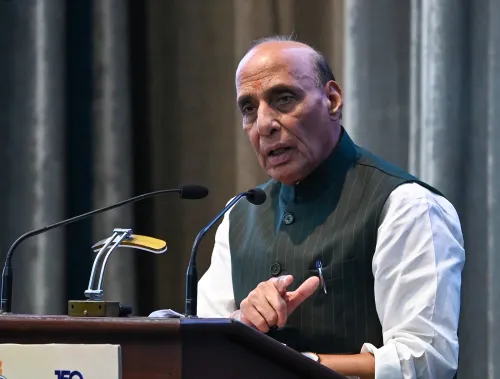
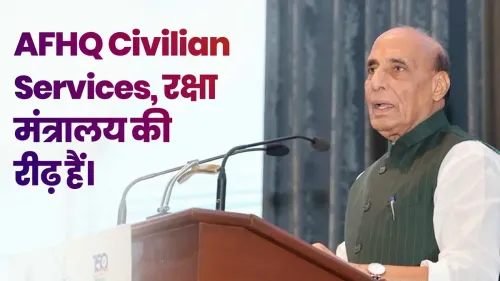
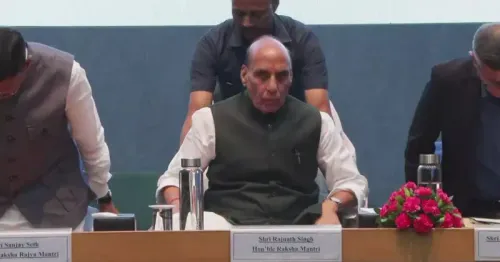
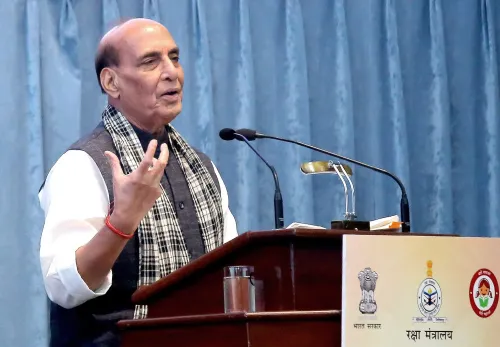
The civilians who keep India's defence headquarters running — drafting policy, maintaining institutional memory, bridging the gap between uniformed commands and the ministry — have earned a direct public endorsement from the top. Union Defence Minister Rajnath Singh on Monday, 3 August 2026, called AFHQ Civilian Services the bedrock of the Ministry of Defence's institutional memory and policy continuity, and pledged to match their responsibilities to their capabilities.
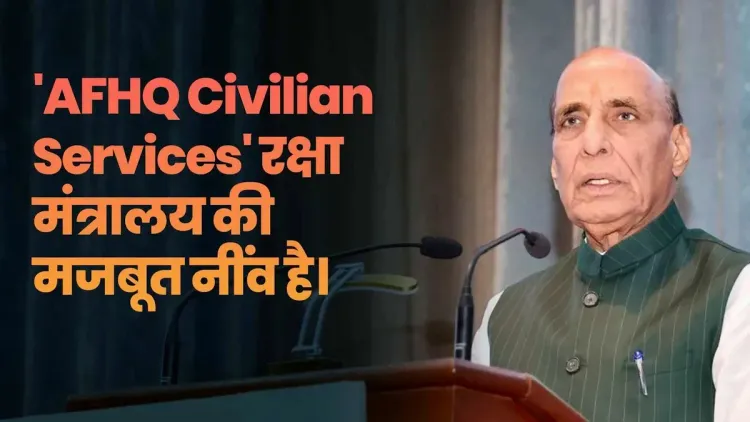
Posting in Hindi, Singh said: 'AFHQ Civilian Services, रक्षा मंत्रालय की institutional memory और नीति-निरंतरता की आधारशिला है।' — 'AFHQ Civilian Services is the cornerstone of the Ministry of Defence's institutional memory and policy continuity' — adding that the government's aim is to provide them 'greater opportunities and broader responsibilities in keeping with their capabilities.'
Who AFHQ Civilian Services are — and why they matter
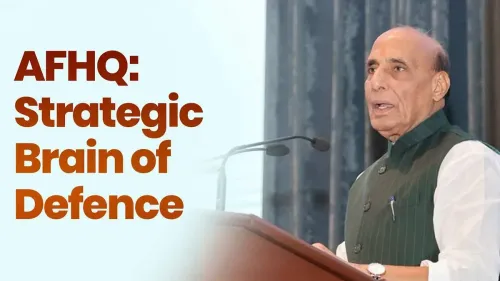
AFHQ Civilian Services is the cadre of administrative, policy and secretarial professionals embedded within Armed Forces Headquarters under the Ministry of Defence. While uniformed officers rotate in and out of staff appointments, it is these civilians who hold the institutional thread — carrying forward policy positions, inter-service coordination records and procedural memory across decades of governments and service chiefs. In a ministry that manages three services, a coast guard, defence production, and nuclear command interfaces, that continuity is not a bureaucratic nicety. It is operational infrastructure.Structural reform backdrop: the DMA and civil-military integration
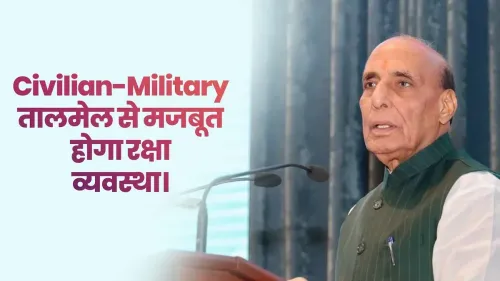
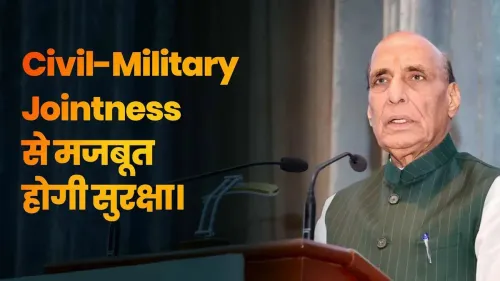
Singh's remarks land against a specific reform backdrop. The creation of the Department of Military Affairs in December 2019 — a landmark structural shift that brought the Chief of Defence Staff into the ministry's administrative architecture — was explicitly designed to deepen civil-military coordination. That reform expanded the footprint of integrated headquarters functions, which in turn raised questions about the career pathways and scope of AFHQ civilian personnel operating within those structures. Successive governments have addressed cadre grievances incrementally; Singh's statement signals the current administration intends to go further.What 'broader responsibilities' could mean in practice
The minister stopped short of announcing a specific cadre review or policy measure, but the direction is clear. Expanded deputations to integrated commands, greater involvement in joint logistics or cyber-defence planning cells, and structured career progression frameworks are among the outcomes that defence ministry watchers have flagged as logical next steps. The AFHQ civilian cadre has historically sought parity in recognition and opportunity with their counterparts in other organised Group A central services — and a public statement from the Defence Minister is a meaningful signal that those demands are being heard at the highest level. India's defence modernisation push — spanning new platforms, theatre commands, and jointness frameworks — will only increase the premium on experienced civilian policy hands who can hold the institutional thread as the military's structure itself evolves. Singh's message is that those hands deserve more room to work.Point of View
The Defence Minister is building a case for structural upgrades to their career framework, likely ahead of a formal cadre review. This fits a broader pattern in which the BJP-led government has used civil-military integration reforms — anchored by the Department of Military Affairs — to redefine the role of civilian expertise inside the defence establishment. The real test will be whether the signal translates into measurable changes in deputation rights, pay parity, or expanded operational mandates within the emerging theatre command architecture.
NationPress
17 Sept 2026
Frequently Asked Questions
What is AFHQ Civilian Services?
AFHQ Civilian Services is the cadre of civilian administrative, policy and secretarial professionals embedded within Armed Forces Headquarters under India's Ministry of Defence. They provide institutional continuity and policy support across the three services and integrated defence structures.
What did Rajnath Singh say about AFHQ Civilian Services?
On 3 August 2026, Rajnath Singh called AFHQ Civilian Services the cornerstone of the Ministry of Defence's institutional memory and policy continuity, and said the government aims to provide them greater opportunities and broader responsibilities matching their capabilities.
What is the Department of Military Affairs and how does it relate to AFHQ?
The Department of Military Affairs was created in December 2019 to strengthen civil-military coordination within the Ministry of Defence. It expanded integrated headquarters functions, making the role of AFHQ civilian personnel more central to defence policy and administration.
Will there be a cadre review for AFHQ Civilian Services?
Rajnath Singh did not announce a specific cadre review, but his public statement pledging broader responsibilities is widely read as a precursor to formal structural changes. Possible outcomes include expanded deputations to integrated commands and improved career progression frameworks.
Why does civilian expertise matter in India's defence ministry?
Civilian officials in Armed Forces Headquarters carry forward institutional knowledge across changes in government and military leadership. As India pursues defence modernisation — including new platforms and theatre commands — experienced civilian policy hands are critical to maintaining continuity and coordination.