Rajnath Singh: Military-civil integration vital for India's defence ecosystem
Synopsis
At the 85th AFHQ Civilian Services Day, Rajnath Singh made a pointed call: India's defence ministry can no longer afford to run its military and civilian wings on parallel tracks. From joint training to shared cyber tools, he laid out a concrete vision for civil-military fusion — and asked AFHQ officers to become the 'strategic brain' of India's defence architecture.
Key Takeaways
Defence Minister Rajnath Singh addressed the 85th AFHQ Civilian Services Day in New Delhi on Monday .
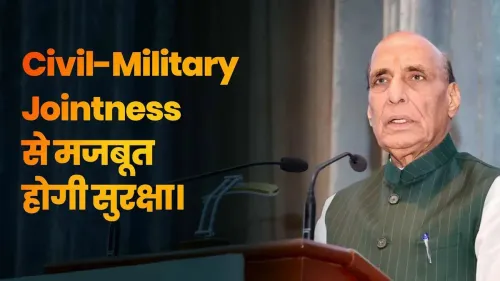
He called for deeper integration between the military and civil wings of the Ministry of Defence to tackle evolving security and technological challenges.
Singh proposed joint training programmes and cross-developmental assignments for civilian and military officers.
He cited cyber warfare as an area where civilian expertise in developing defence-specific tools could directly benefit the armed forces.
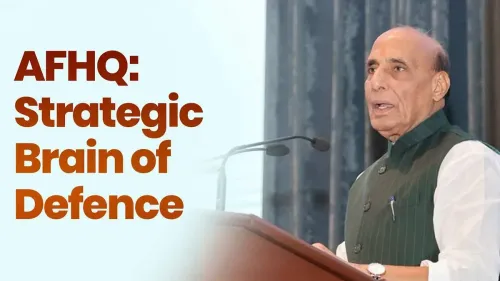
Singh urged AFHQ Civilian Services to become the 'strategic brain' of India's defence management architecture.
The Minister launched digital initiatives of the JS & CAO office and released the 34th issue of the 'Samvad' magazine.
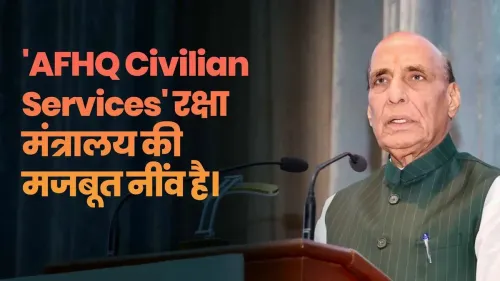
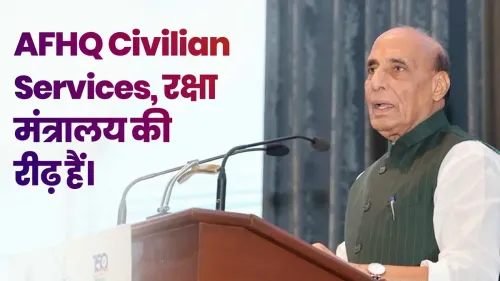
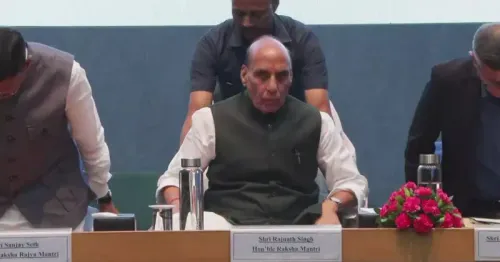
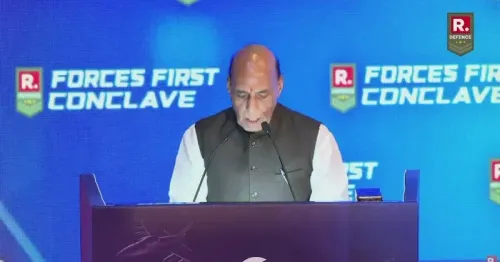
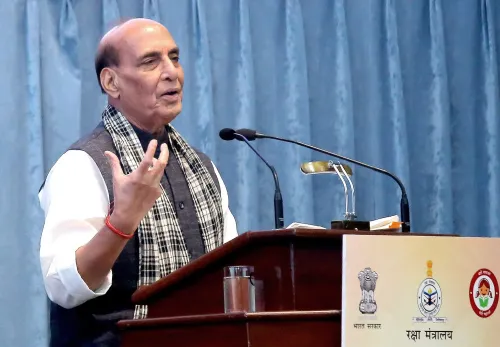
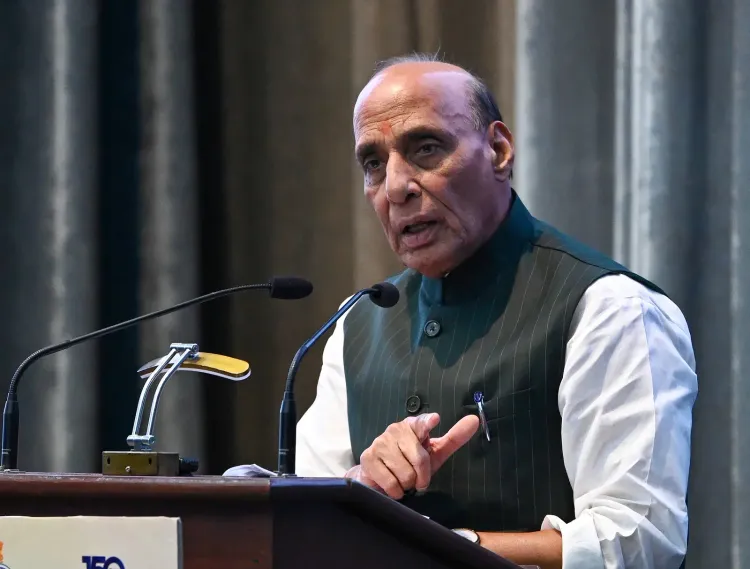
Defence Minister Rajnath Singh on Monday called for deeper integration between the military and civil wings of the Ministry of Defence, stressing that greater synergy between the two is essential to building a resilient national defence ecosystem. He was speaking at the 85th Armed Forces Headquarters (AFHQ) Civilian Services Day celebrations in New Delhi.
The Case for Integration
Singh underlined that both uniformed personnel and civilian officers share the same foundational commitment — 'Nation First'. He argued that when the military and civil components of the Ministry operate toward a singular objective, every element of the system is converted into national strength.
He emphasised that deeper integration would help the Ministry tackle evolving security and technological challenges, while preserving institutional memory, administrative stability, and the consistent application of rules and regulations. According to Singh, military and administrative functions cannot advance along separate tracks — continuity and expertise are needed across policy, human resource management, financial processes, logistics, and institutional knowledge.
Complementary Strengths
Singh articulated the distinct value each side brings to the table. 'Military officers bring operational experience, a command perspective, and an understanding of warfare, while civilian officers contribute through administrative continuity, policy experience, an understanding of government processes, and institutional memory. When these strengths combine, decision-making becomes more informed, balanced, and effective,' he stated.
He advocated for structured cross-exposure between civilian and military officers, specifically proposing joint training programmes and developmental assignments that would allow both sides to learn from each other's experiences.
Cyber Warfare as a Test Case
Illustrating the potential of integration, Singh cited cyber warfare as a concrete example. He noted that if officers of the AFHQ Civilian Services were to develop defence-specific cyber tools by leveraging their domain expertise, such tools could prove directly beneficial to the armed forces — a signal that civilian competencies are increasingly relevant to frontline defence preparedness.
AFHQ as the 'Strategic Brain'
Singh called upon the AFHQ Civilian Services to evolve into the 'strategic brain' of India's defence management architecture, urging officers to develop a comprehensive and nuanced understanding of the broader defence sector.
During the event, the Defence Minister also launched several digital initiatives of the office of Joint Secretary and Chief Administrative Officer (JS & CAO), along with its Revised Vision & Mission Statement. He released the 34th issue of the 'Samvad' magazine — a publication featuring travelogues, essays, articles, and poems authored by employees of various ranks across Service Headquarters and Inter-Service Organisations.
Singh also presented awards to AFHQ personnel for achievements in sports and to children of employees who excelled academically, underscoring the Ministry's recognition of contributions beyond operational duties.
As India's security environment grows more complex — spanning conventional threats, cyber vulnerabilities, and multi-domain warfare — Monday's address signals a clear policy direction: the civil-military divide within the Ministry of Defence must narrow, and fast.
Point of View
A gap that has cost the defence establishment in policy coherence and institutional continuity. The cyber warfare example is telling: it points to a Ministry that is beginning to recognise non-kinetic, knowledge-based competencies as force multipliers. However, calls for military-civil integration in India's defence establishment are not new — successive ministers have raised the theme without a binding structural framework to follow. The real test will be whether Monday's address translates into mandated joint postings, shared performance metrics, and a revised cadre structure — or remains aspirational rhetoric at an annual celebration.
NationPress
18 Sept 2026
Frequently Asked Questions
What did Rajnath Singh say about military-civil integration in the defence ministry?
Singh called for deeper integration between the military and civilian wings of the Ministry of Defence, arguing that combining operational military expertise with civilian administrative continuity would make decision-making more informed and effective. He made these remarks at the 85th AFHQ Civilian Services Day in New Delhi.
What is the AFHQ Civilian Services Day?
The Armed Forces Headquarters (AFHQ) Civilian Services Day is an annual event recognising the contributions of civilian officers who serve within the military headquarters structure of the Ministry of Defence. The 85th edition was held in New Delhi on Monday.
Why did Rajnath Singh mention cyber warfare at the AFHQ event?
Singh used cyber warfare as a practical example of where civilian expertise can directly benefit the armed forces — specifically, by developing defence-specific cyber tools. It was intended to illustrate how civil-military integration can enhance frontline defence capabilities beyond traditional administrative roles.
What digital initiatives were launched at the AFHQ Civilian Services Day?
Defence Minister Singh launched several digital initiatives of the office of the Joint Secretary and Chief Administrative Officer (JS & CAO), along with the office's Revised Vision and Mission Statement, during the 85th AFHQ Civilian Services Day celebrations.
What is the 'Samvad' magazine released by Rajnath Singh?
'Samvad' is a publication of the AFHQ that features travelogues, essays, articles, and poems written by employees of various ranks posted in Service Headquarters and Inter-Service Organisations. Singh released its 34th issue at the event.