Rajnath Singh: India to become Healing and Wellness Capital
Synopsis
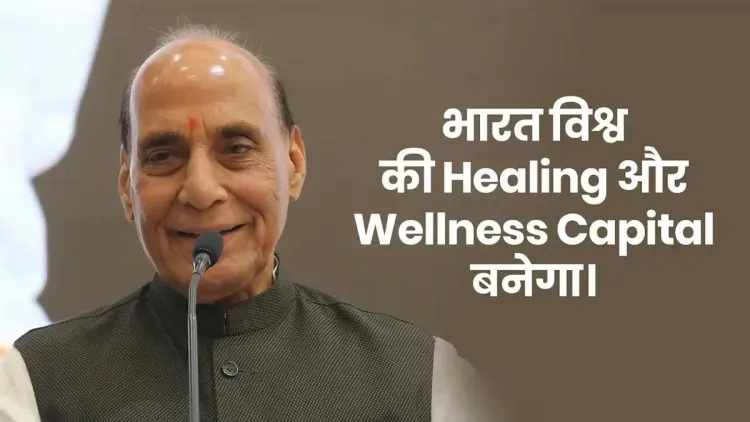
Union Defence Minister Rajnath Singh on 18 July 2026 declared that India, already the 'Pharmacy of the World', must now become the global 'Healing and Wellness Capital'. The statement extends a long-running policy arc combining pharmaceutical strength with AYUSH-based wellness and medical tourism.
Key Takeaways
Rajnath Singh on 18 July 2026 stated that making India the Healing and Wellness Capital of the world is the government's declared goal.
India is already recognised as the Pharmacy of the World , having supplied over 150 million COVID-19 vaccine doses to more than 100 countries by mid-2021.
The Ministry of AYUSH , set up in November 2014 , underpins the wellness dimension of this ambition through Ayurveda, Yoga, Unani, Siddha and Homeopathy.
The government's Heal in India initiative already targets medical value travel combining modern hospitals with traditional healing.
Key stakeholders include pharma exporters , AYUSH practitioners , and medical tourists seeking cost-effective care.
Concrete policy follow-through is expected in upcoming Union Budget allocations and potential bilateral health-tourism agreements.
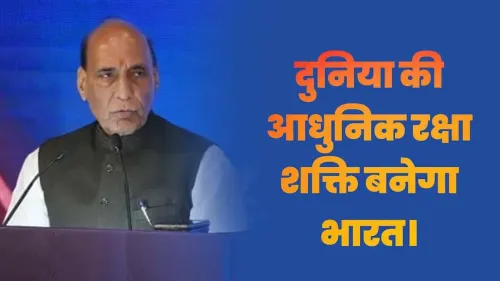
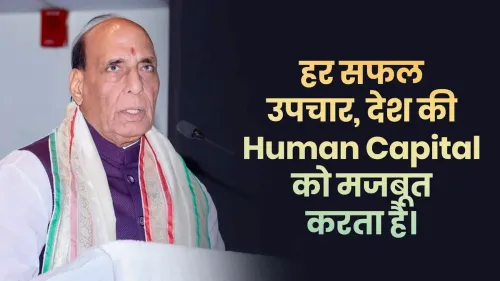
Union Defence Minister Rajnath Singh on Saturday, 18 July 2026 declared that the government's next ambition for India goes beyond its established identity as the 'Pharmacy of the World' — the country must now become the Healing and Wellness Capital of the world. The statement, made via a post on X, signals a broadening of India's health-sector vision to encompass both modern medicine and traditional wellness systems.
Context
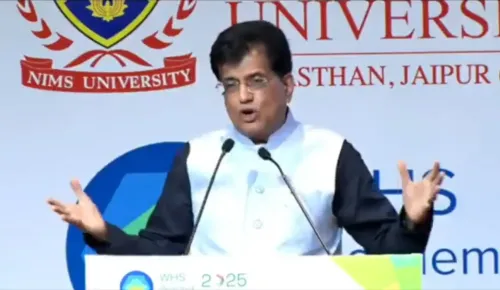
Rajnath Singh wrote in Hindi: 'भारत आज केवल दुनिया की Pharmacy of the World ही नहीं, बल्कि वैश्विक स्वास्थ्य सेवाओं का एक भरोसेमंद केंद्र भी बन रहा है।' ('India today is not merely the Pharmacy of the World, but is also becoming a trusted centre for global health services.') He added that making India the Healing and Wellness Capital of the world is now a stated goal of the government. The post came with a video, indicating the remarks were likely part of a larger address or event.
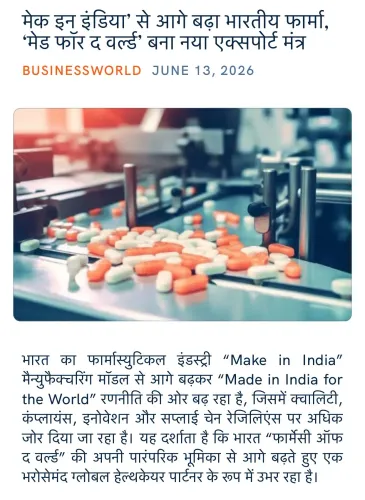
The 'Pharmacy of the World' label has long been associated with India's dominance in generic medicine and vaccine manufacturing. India supplied over 150 million COVID-19 vaccine doses to more than 100 countries by mid-2021, cementing that reputation on the global stage.
Policy Backdrop
The aspiration to become a global wellness hub builds on a series of deliberate policy moves. The Ministry of AYUSH, established in November 2014, was created specifically to mainstream Ayurveda, Yoga, Unani, Siddha and Homeopathy within India's public health architecture. The National Health Policy 2017 further laid out targets for higher public spending on health and a greater emphasis on preventive and wellness care.
The government's Heal in India initiative has sought to position the country as a premier destination for medical value travel, combining world-class hospital infrastructure with traditional healing practices. These efforts are part of a broader strategy to diversify India's services exports and grow health tourism as an economic sector.
Stakeholders and Impact
The vision outlined by Rajnath Singh touches multiple constituencies. Pharma exporters stand to benefit from any policy push that reinforces India's manufacturing credentials, while AYUSH practitioners — Ayurvedic doctors, yoga instructors, naturopaths — gain institutional recognition and potential new markets. Medical tourists, already drawn to India for cost-effective tertiary care, could see expanded options in wellness and preventive treatments.
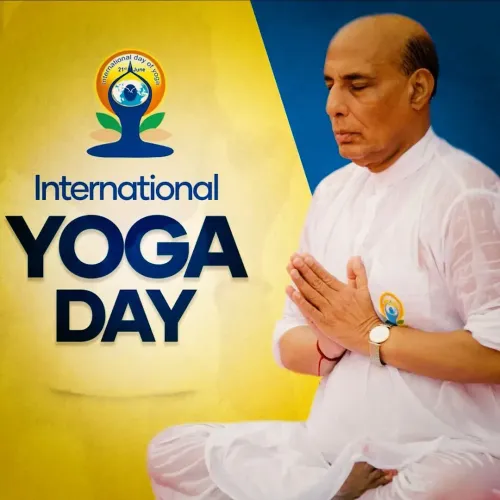
India's soft-power tools, including the annual International Yoga Day observed on 21 June, have already built global awareness of traditional Indian wellness systems. Converting that awareness into inbound health tourism and export revenue is the next policy challenge.
What's Next
Observers will watch for concrete follow-through in upcoming Union Budget allocations — specifically, new incentives for wellness infrastructure, hospital capacity, and bilateral health-tourism agreements with key partner nations. Any formal policy framework or dedicated scheme to operationalise the 'Healing and Wellness Capital' goal will be the clearest indicator of how seriously the government intends to pursue this ambition. The statement by a senior Cabinet minister of Rajnath Singh's stature lends political weight to what has until now been a largely administrative push.
Point of View
A combination that has been building since 2014. For the ruling party, this also serves a domestic narrative: projecting governance as transformative rather than incremental. The statement will be watched to see whether it translates into Budget outlays or remains aspirational positioning.
NationPress
18 Jul 2026
Frequently Asked Questions
What did Rajnath Singh say about India's health ambition?
Rajnath Singh stated on 18 July 2026 that India is not only the 'Pharmacy of the World' but is also becoming a trusted global health services hub, and that making India the 'Healing and Wellness Capital' of the world is the government's goal.
What does 'Pharmacy of the World' mean for India?
It refers to India's status as the world's largest producer and exporter of generic medicines and vaccines. India supplied over 150 million COVID-19 vaccine doses to more than 100 countries, reinforcing this role.
What is the Heal in India initiative?
Heal in India is a government initiative to position India as a premier destination for medical value travel, combining modern hospital care with traditional AYUSH-based wellness treatments to attract international patients.
What is the Ministry of AYUSH and why does it matter here?
The Ministry of AYUSH, established in November 2014, promotes Ayurveda, Yoga, Unani, Siddha and Homeopathy. It is central to India's wellness capital ambition by mainstreaming traditional medicine into public health and health tourism.
How does India plan to become a global wellness destination?
Through a combination of pharmaceutical manufacturing scale, AYUSH-based traditional medicine, medical tourism infrastructure under the Heal in India scheme, and soft-power tools such as International Yoga Day, India aims to attract both patients and wellness seekers from around the world.