Rajnath Singh-led DAC Clears Rs 2.12 Lakh Cr Defence Buys

Synopsis
The Defence Acquisition Council, chaired by Defence Minister Rajnath Singh, cleared capital acquisition proposals worth Rs 2,12,000 crore on 26 October 2026. Approvals span kamikaze drones, VSHORADS, counter-UAS systems, self-propelled guns and more, with 82% of procurement reserved for the Indian defence industry.
Key Takeaways
The DAC accorded Acceptance of Necessity (AoN) for proposals worth an estimated Rs 2,12,000 crore in a single sitting on 26 October 2026 .
Approvals for the Indian Army cover a Long Range Kamikaze Drone System , VSHORADS , Counter-UAS (C-UAS) , Self-Propelled Tracked Gun System , Light Multi Role Helicopters , Surveillance UAVs , HMVs , a Gun Shot Response System , and an Integrated Surveillance and Strike System .
Approximately 82% of the total procurement value will be sourced from the Indian industry , reflecting the Atmanirbhar Bharat mandate.
An AoN is the first formal step; Requests for Proposal (RfPs) , trials, and contract finalization will follow before any money is spent.
The drone and counter-drone approvals signal the Indian Army's explicit incorporation of loitering-munition and drone-swarm lessons into formal acquisition planning.
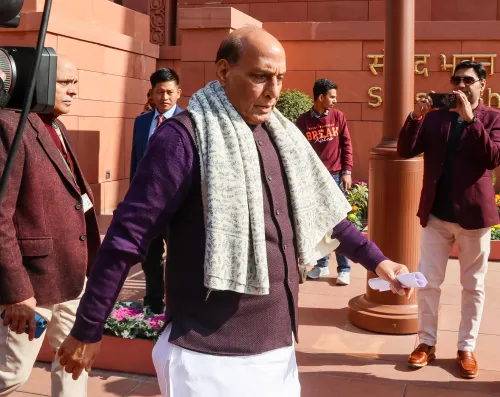
A single meeting, a staggering number: the Defence Acquisition Council (DAC), chaired by Union Defence Minister Rajnath Singh, on Monday, 26 October 2026, cleared capital acquisition proposals worth an estimated Rs 2,12,000 crore — one of the largest single-day Acceptance of Necessity (AoN) tranches in recent memory, with the bulk of the money earmarked to stay inside India.
What the Indian Army just got cleared to buy
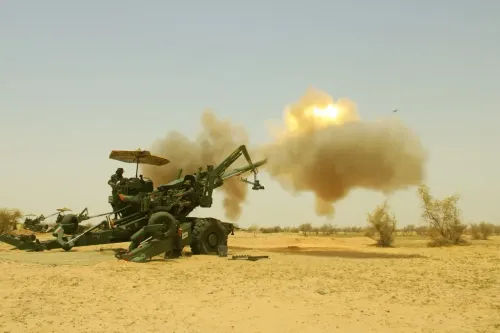
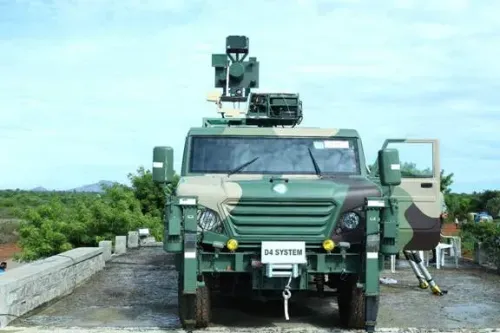
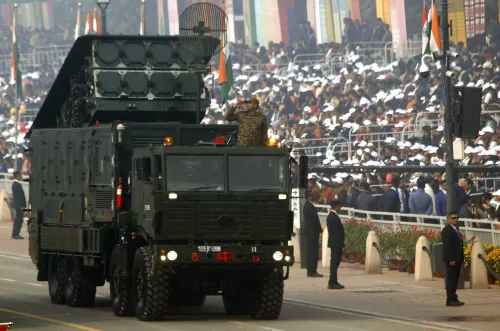
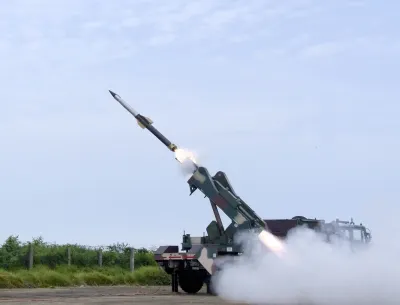
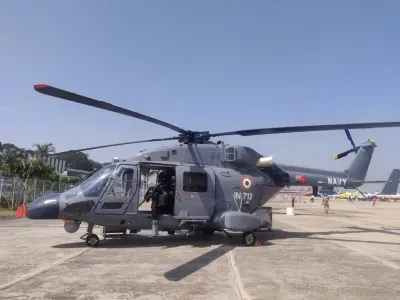
The breadth of approvals for the Indian Army reads like a full-spectrum modernisation wishlist. The DAC accorded AoN for High Mobility Vehicles (HMV), a Self-Propelled Tracked Gun System, and a Gun Shot Response System (GSRS) — addressing mobility, firepower, and battlefield acoustics in a single sitting. The air-defence and drone portfolios got equal attention: approvals for Light Multi Role Helicopters (LMRH), a Very Short-Range Air Defence System (VSHORADS), a Platform Based Counter Unmanned Aerial System (C-UAS), Unmanned Aerial System Brick Long Range, Surveillance UAV, an Integrated Surveillance and Strike System, and a Long Range Kamikaze Drone System all cleared in one go.
That last category — kamikaze and counter-drone systems — signals where the Indian Army's operational calculus has moved. Loitering munitions and drone-swarm threats, lessons absorbed from conflicts watched closely in recent years, are now driving procurement at the highest levels.
The 82% indigenous clause and what it means
Of the total AoNs granted, approximately 82% of procurement value will flow to the Indian defence industry. That figure is not incidental — it is the architecture of a policy deliberately built over years. The revised Defence Procurement Procedure of 2020 elevated 'Buy Indian' categories and raised indigenous content thresholds, channelling the broader Atmanirbhar Bharat drive — launched by the government in 2020 — into hard contractual requirements.
Successive DAC meetings since 2014 have tracked this curve, progressively tightening domestic-sourcing targets across platforms from artillery to UAVs. An 82% share marks the policy's maturation: India is no longer just aspirationally self-reliant in defence — it is writing that aspiration into procurement contracts worth over two lakh crore rupees.
From AoN to contract: the road the money must travel
An Acceptance of Necessity is the starting gun, not the finish line. The approvals now trigger the issuance of Requests for Proposal (RfPs) to shortlisted vendors, followed by technical evaluation, field trials, and contract negotiations — a process that can stretch months to years depending on the complexity of the platform. Analysts watching this space will focus on how quickly the Ministry of Defence converts today's AoNs into signed contracts, and whether the next defence budget supplements these approvals with fresh allocations. The kamikaze drone and C-UAS programmes, given their operational urgency, are likely to see the fastest movement.
For the Indian defence industry — from large public-sector undertakings to a growing private-sector ecosystem of MSMEs and startups — a pipeline of this scale is a generational opportunity. The question is execution speed.
Point of View
12,000 crore approval signals that 'Buy Indian' has moved from slogan to structural contract requirement. The inclusion of kamikaze drones and counter-UAS systems reflects a deliberate doctrinal update, absorbing real-world lessons from recent conflicts into formal procurement. The harder test, however, is always post-AoN: India's defence acquisition history is littered with approvals that aged slowly through trial delays and vendor disputes. How quickly the Ministry converts these AoNs into signed contracts — particularly for the drone portfolio — will determine whether 2026's headline numbers translate into operational capability or merely impressive paperwork.
NationPress
26 Oct 2026
Frequently Asked Questions
What is the Defence Acquisition Council (DAC)?
The DAC is the apex decision-making body of India's Ministry of Defence, chaired by the Defence Minister, that grants Acceptance of Necessity (AoN) for capital acquisition proposals — the mandatory first approval before a formal procurement process can begin.
What is an Acceptance of Necessity (AoN) in Indian defence procurement?
An AoN is the DAC's formal acknowledgement that a particular weapons or equipment requirement exists and that procurement may proceed. It kicks off the next stages: drafting a Request for Proposal, vendor trials, and contract negotiation.
Which systems were approved for the Indian Army in the 26 October 2026 DAC meeting?
The Indian Army received AoN for High Mobility Vehicles, a Self-Propelled Tracked Gun System, Gun Shot Response System, Light Multi Role Helicopters, VSHORADS, Platform Based Counter-UAS, Unmanned Aerial System Brick Long Range, Surveillance UAVs, an Integrated Surveillance and Strike System, and a Long Range Kamikaze Drone System.
What does the 82% indigenous procurement target mean?
It means roughly 82% of the Rs 2,12,000 crore approved will be contracted to Indian manufacturers rather than foreign vendors, in line with the Atmanirbhar Bharat self-reliance drive and the 'Buy Indian' categories embedded in India's Defence Procurement Procedure.
When will the approved systems actually be delivered to the Army?
An AoN does not set delivery timelines — those emerge after Requests for Proposal are issued, vendor evaluations are completed, and contracts are signed, a process that varies from months to several years depending on the complexity of each platform.