Rajnath Singh Opens ASEAN-India Defence Think Tank Forum
Synopsis
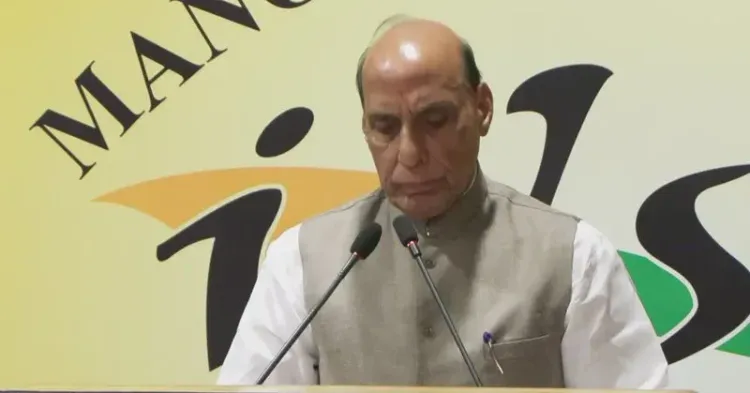
Union Defence Minister Rajnath Singh inaugurated the first-ever ASEAN–India Defence Think Tank Forum at New Delhi's MP-IDSA on October 14, 2026, launching a new institutional channel for security dialogue between India and Southeast Asian nations under India's Act East Policy.
Key Takeaways
Union Defence Minister Rajnath Singh addressed the inaugural ASEAN–India Defence Think Tank Forum on October 14, 2026 .
The forum is the first dedicated multilateral platform for defence think tanks from India and ASEAN member states.
The event was hosted at the Manohar Parrikar Institute for Defence Studies and Analysis (MP-IDSA) in New Delhi .
India elevated its relationship with ASEAN to a Strategic Partnership in 2012 , with defence forming a core pillar.
The forum advances India's Act East Policy , deepening institutionalised security engagement with Southeast Asia.
Potential outcomes include research collaborations and follow-up sessions feeding into processes such as ADMM-Plus .
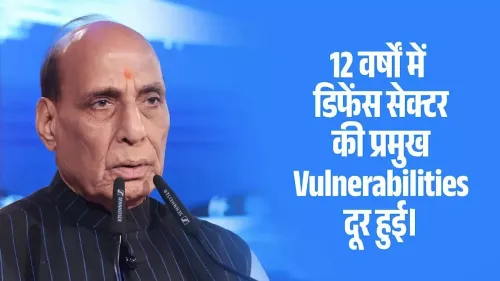
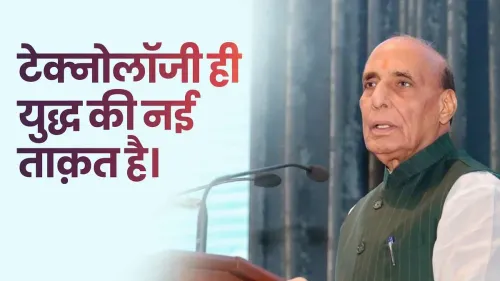
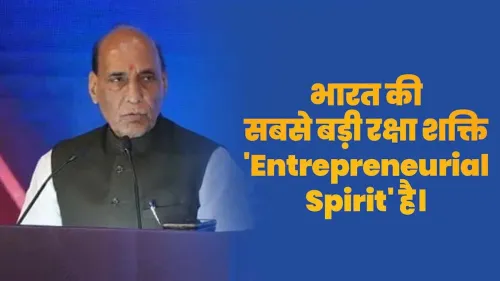
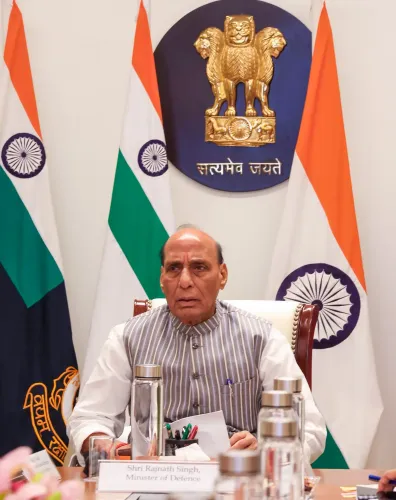
At the heart of New Delhi's strategic calendar on Wednesday, October 14, 2026, Union Defence Minister Rajnath Singh took the stage at the inaugural session of the ASEAN–India Defence Think Tank Forum — the first dedicated multilateral platform bringing together defence researchers from India and across Southeast Asia under one roof. The venue was the Manohar Parrikar Institute for Defence Studies and Analysis (MP-IDSA), New Delhi's premier strategic-studies institution.
A forum born from three decades of Act East momentum
The event does not arrive in a vacuum. India has been systematically deepening its institutional ties with ASEAN — the ten-nation Association of Southeast Asian Nations — since elevating the relationship to a Strategic Partnership in 2012. Defence and maritime security have long formed a load-bearing pillar of that partnership, but dialogue on the security-studies and think-tank level has historically lagged behind the political summitry.
That gap is precisely what this forum is designed to close. By convening defence analysts, scholars, and strategic thinkers from ASEAN member states alongside their Indian counterparts at MP-IDSA, the platform institutionalises the kind of second-track intellectual exchange that governments increasingly use to test ideas before they become policy.
MP-IDSA: the venue is itself a message
Choosing MP-IDSA — renamed in 2018 to honour the late Manohar Parrikar, who served as Defence Minister — carries symbolic weight. The institute, previously known as IDSA, has for decades been India's flagship address for defence and strategic-studies research. Hosting the inaugural session here signals that India intends this forum to be a serious, research-grounded engagement, not a ceremonial meet-and-greet.
Where this sits in India's broader security architecture
The forum is a textbook expression of India's Act East Policy, the strategic doctrine that successive governments have used to deepen institutionalised engagement with Southeast and East Asia. Shared concerns over regional stability — particularly maritime security in the Indo-Pacific — give this inaugural session real strategic urgency beyond diplomatic optics.
The forum also dovetails with existing multilateral mechanisms such as the ASEAN Defence Ministers' Meeting Plus (ADMM-Plus) process, potentially feeding research outputs upstream into official deliberations. Whether joint statements, research collaborations, or a calendar of follow-up sessions emerge from this inaugural edition will determine whether the platform becomes a durable fixture in the India–ASEAN security calendar.
For Rajnath Singh, addressing the opening session places India's most senior defence voice directly in front of the region's strategic community — a pointed reminder that New Delhi sees Southeast Asia not as a peripheral interest but as a front-row seat in its long-term security thinking.
Point of View
It reinforces the Act East Policy's evolution from trade-led outreach to security-centred engagement at a moment when Indo-Pacific tensions make regional trust-building particularly valuable. Rajnath Singh's personal presence at the inaugural session lends political weight to what could otherwise be a bureaucratic exercise. If the forum generates substantive research outputs, it has the potential to quietly shape the intellectual architecture of India-Southeast Asia security relations for years ahead.
NationPress
14 Oct 2026
Frequently Asked Questions
What is the ASEAN–India Defence Think Tank Forum?
The ASEAN–India Defence Think Tank Forum is a multilateral platform bringing together defence research institutions from India and ASEAN member states to engage in security dialogue. Its inaugural session was held at MP-IDSA in New Delhi on October 14, 2026.
Where was the ASEAN–India Defence Think Tank Forum held?
The forum was held at the Manohar Parrikar Institute for Defence Studies and Analysis (MP-IDSA) in New Delhi , India's premier defence and strategic-studies think tank.
What is MP-IDSA and why is it significant?
MP-IDSA, formerly known as IDSA, is India's flagship institute for defence and strategic studies. It was renamed in 2018 in honour of former Defence Minister Manohar Parrikar and is widely regarded as the country's most authoritative platform for security research.
What is India's Act East Policy and how does this forum relate to it?
India's Act East Policy is a strategic doctrine aimed at deepening political, economic, and security engagement with Southeast and East Asia. The ASEAN–India Defence Think Tank Forum directly advances this policy by institutionalising defence-research dialogue with ASEAN nations.
What is India's relationship with ASEAN on defence?
India elevated its ties with ASEAN to a Strategic Partnership in 2012 , with defence and maritime security forming a central pillar. The relationship is further supported through mechanisms such as the ASEAN Defence Ministers' Meeting Plus (ADMM-Plus) process.