Rajnath Singh to Attend Bhoomi Pujan for 10,000-Ton Aluminium Press in Nagpur
Synopsis
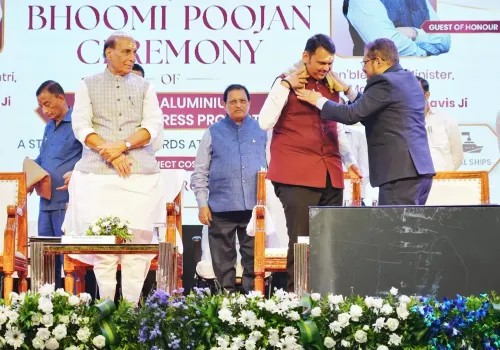
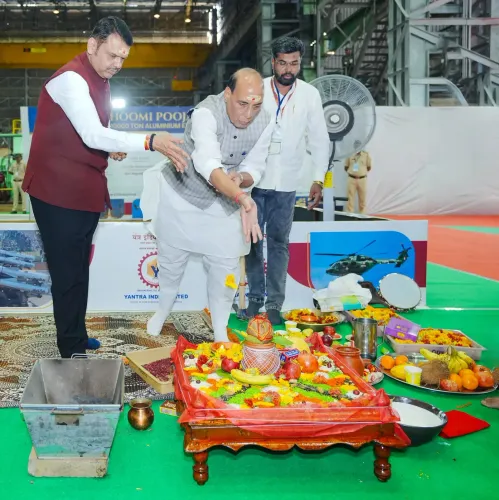
Union Defence Minister Rajnath Singh will attend the Bhoomi Pujan Samaroh for a 10,000-tonne aluminium extrusion press at Yantra India Limited's Nagpur facility on 19 June 2026, advancing India's push for indigenous production of precision alloy components for defence and aerospace.
Key Takeaways
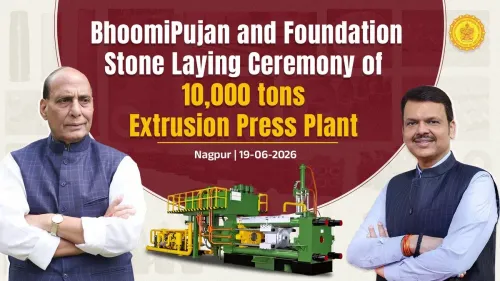
Rajnath Singh will travel to Nagpur, Maharashtra on 19 June 2026 for the ground-breaking ceremony of a 10,000-tonne aluminium extrusion press .
The press will be installed at the Yantra India Limited facility, a DPSU formed after the corporatisation of the Ordnance Factory Board in October 2021 .
The facility will produce large, high-strength, precision aluminium alloy extrusions for the defence and aerospace sectors .
The project supports India's drive to reduce import dependence on critical structural components used in missiles, aircraft and armoured vehicles.
The initiative aligns with the Make in India framework and successive Defence Production and Export Promotion Policies .
Commissioning timeline and follow-on orders for similar presses at other DPSUs remain to be announced.
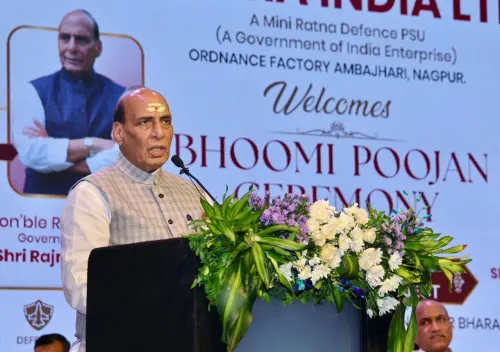
Union Defence Minister Rajnath Singh will travel to Nagpur, Maharashtra, on 19 June 2026 to attend the Bhoomi Pujan Samaroh (ground-breaking ceremony) for a 10,000-tonne aluminium extrusion press at the Yantra India Limited facility, marking a significant step in India's indigenous defence manufacturing drive.
Context
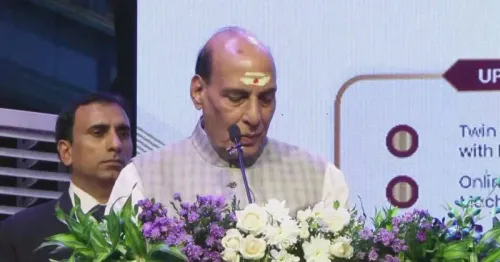
Singh announced the visit on 18 June 2026, describing the proposed press as 'a major national asset for the defence manufacturing sector.' He added that it 'will strengthen the nation's capability to produce large, high-strength and precision aluminium alloy extrusions to cater to the requirements of defence and aerospace sectors.'
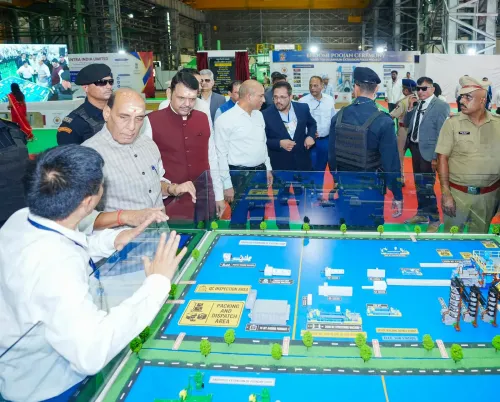
The ceremony is scheduled at the Nagpur facility of Yantra India Limited, a Defence Public Sector Undertaking (DPSU) that specialises in armoured vehicles, ammunition components and heavy engineering.
Policy Backdrop
Yantra India Limited was formed on 1 October 2021 as part of the corporatisation of the Ordnance Factory Board, which was reorganised into seven DPSUs to improve commercial efficiency and accountability in defence production. The move was a centrepiece of the government's broader push to modernise state-owned defence manufacturing.
India's Make in India initiative, launched in 2014, set the strategic direction for this shift, prioritising domestic production of critical defence components and reducing dependence on imported materials. Successive Defence Production and Export Promotion Policies have since incentivised DPSUs and private firms to build large-capacity forging, extrusion and precision-manufacturing facilities.
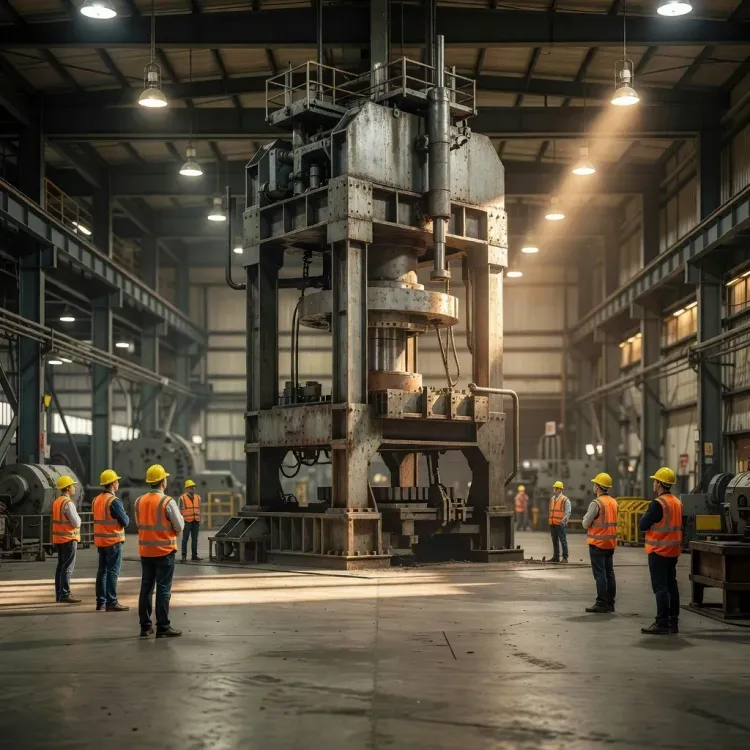
Large aluminium alloy extrusions are critical inputs for missile airframes, aircraft structural sections and armoured-vehicle components — areas where India has historically relied on imports. A domestic 10,000-tonne press would place India among a small group of countries capable of producing such sections in-house.
Stakeholders and Impact
The primary beneficiaries of the new press are expected to be defence PSUs and aerospace manufacturers supplying platforms to the Indian Armed Forces and the Indian Space Research Organisation. High-strength aluminium alloy sections are used across fighter aircraft, helicopters, satellite launch vehicles and naval vessels.
Private sector firms operating under the Aerospace and Defence cluster in Nagpur and across Maharashtra are also likely to gain access to domestically produced precision extrusions, reducing lead times and foreign-exchange outflows on component imports. The project aligns with the government's target of achieving Rs 3 lakh crore in defence production by 2029.
What's Next
The 19 June 2026 Bhoomi Pujan marks the formal commencement of civil and infrastructure work for the press installation. The operational commissioning timeline and any follow-on orders for similar heavy-press facilities at other DPSUs will be closely watched by the defence industry.
As India accelerates vertical integration in strategic materials, the Nagpur press could serve as a template for expanding domestic extrusion and forging capacity — reducing a key supply-chain vulnerability in the country's defence and aerospace ecosystem.
Point of View
000-tonne press at Yantra India Limited is not a routine ceremonial event — it signals a deliberate effort to close a long-standing gap in India's strategic materials supply chain. Large-format aluminium extrusions have historically been sourced from a handful of foreign suppliers, giving the project clear import-substitution significance. For Rajnath Singh, personally presiding over the ground-breaking reinforces the Ministry of Defence's ownership of the indigenisation narrative ahead of a period of intense procurement activity. The Nagpur facility's success will be a key test of whether the DPSU corporatisation model can deliver commercially viable, technically competitive outputs at scale.
NationPress
19 Sept 2026
Frequently Asked Questions
What is the 10,000-tonne aluminium extrusion press in Nagpur?
It is a large industrial press being built at the Yantra India Limited facility in Nagpur to manufacture high-strength, precision aluminium alloy sections for India's defence and aerospace sectors, reducing dependence on imported components.
What is Yantra India Limited?
Yantra India Limited is a Defence Public Sector Undertaking created on 1 October 2021 following the corporatisation of the Ordnance Factory Board. It specialises in armoured vehicles, ammunition components and heavy engineering.
Why is Rajnath Singh attending the Bhoomi Pujan in Nagpur?
As Union Defence Minister, Rajnath Singh is attending the ground-breaking ceremony on 19 June 2026 to mark the formal launch of the 10,000-tonne aluminium extrusion press project, underscoring the government's commitment to indigenous defence manufacturing.
How does this project support Make in India in defence?
The press will enable domestic production of large aluminium alloy extrusions currently imported for missiles, aircraft and armoured vehicles, directly supporting the Make in India goal of reducing foreign dependency in critical defence supply chains.
When will the aluminium extrusion press in Nagpur be operational?
The operational commissioning timeline has not been officially announced. The 19 June 2026 ceremony marks the start of construction; further details are expected from the Ministry of Defence and Yantra India Limited in due course.