CM Fadnavis Backs 10,000-Ton Extrusion Plant in Nagpur for Defence

Synopsis
The Chief Minister's Office of Maharashtra has announced a 10,000-ton-capacity aluminium extrusion press plant in Nagpur, developed with Yantra India Ltd, to reduce import dependence in defence manufacturing and advance the Make in India and Atmanirbhar Bharat agendas.
Key Takeaways
The Chief Minister's Office of Maharashtra announced a 10,000-ton-capacity extrusion press plant coming up in Nagpur .
The facility will produce critical aluminium structures for Indian defence manufacturing , reducing reliance on imports.
Yantra India Ltd , the defence PSU created after the 2021 corporatisation of the Ordnance Factory Board , is the key partner.
The project is aligned with the Make in India (2014) and Atmanirbhar Bharat (2020) policy frameworks.
Nagpur has been designated as a defence and aerospace industrial cluster hub within Maharashtra.
The plant is expected to drive industrial growth and create substantial employment in Maharashtra's manufacturing sector.
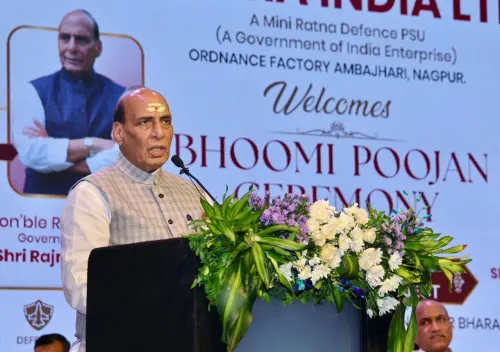
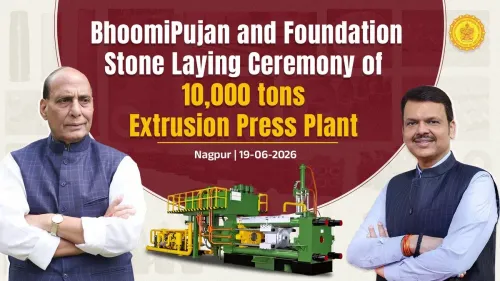
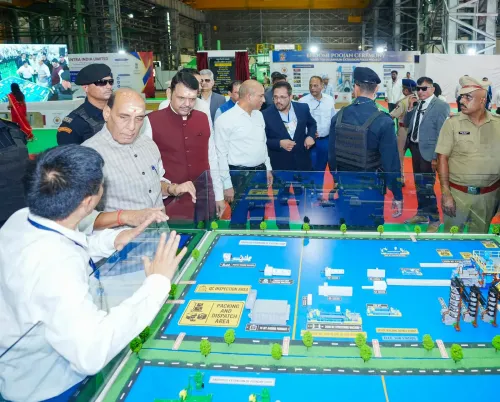
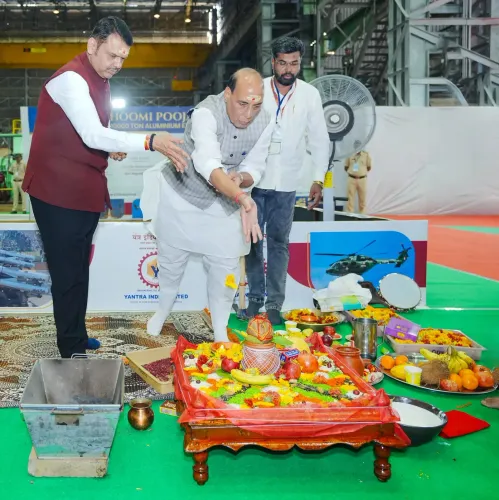
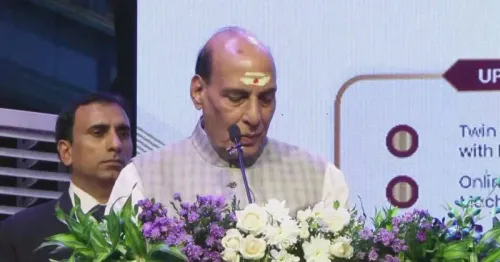
The Chief Minister's Office of Maharashtra on Friday, 19 June 2026, announced that a state-of-the-art 10,000-ton-capacity extrusion press plant is coming up in Nagpur, aimed at significantly strengthening India's self-reliance in producing critical aluminium structures for defence manufacturing. The project is being developed in association with Yantra India Ltd, the defence public sector undertaking, and carries the direct backing of Chief Minister Devendra Fadnavis.
Context
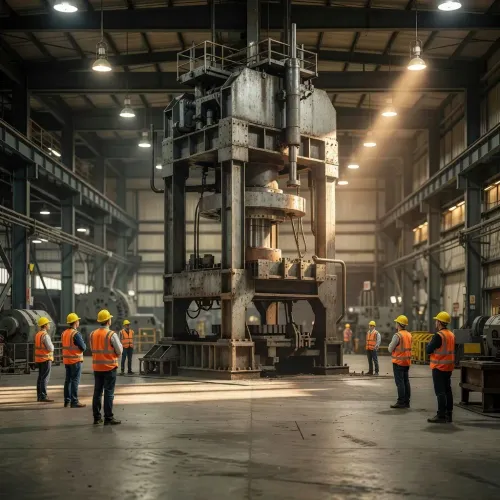
The CMO's post describes the Nagpur facility as 'building the backbone of defence manufacturing,' positioning it as a cornerstone investment in India's broader push for military self-sufficiency. The plant's 10,000-ton extrusion press capacity is intended to produce large-format aluminium structural components — the kind used in aircraft frames, naval vessels, and armoured platforms — which India has historically imported at significant cost.
Yantra India Ltd, the defence PSU tagged in the announcement, was formed following the corporatisation of the Ordnance Factory Board in 2021, a landmark restructuring that dissolved the century-old board and created several specialised defence companies. Yantra focuses on equipment, components, and sub-systems, making it a natural partner for a high-capacity extrusion facility of this nature.
Policy Backdrop
The Nagpur plant sits squarely within two overlapping policy frameworks. The Make in India initiative, launched in September 2014, set out to raise the share of domestic manufacturing in the national economy and reduce import dependence across sectors, with defence identified as a priority vertical. The Atmanirbhar Bharat campaign, announced in May 2020, sharpened that focus, explicitly calling for indigenisation of defence procurement and production.
Together, these programmes have driven the creation of two dedicated Defence Industrial Corridors — one in Uttar Pradesh and one in Tamil Nadu — and have pushed states to compete for high-value defence manufacturing investments. Maharashtra has leveraged its existing industrial base, proximity to DRDO laboratories, and established ordnance infrastructure to attract forging, extrusion, and component projects. Nagpur, in particular, has been designated as a hub for defence and aerospace industrial clusters within the state.
Aluminium extrusion is a critical upstream capability: without domestic large-press capacity, manufacturers of aircraft, missiles, and armoured vehicles are forced to source semi-finished structural profiles from abroad, creating both cost and supply-chain vulnerabilities. A 10,000-ton press places India among a limited group of countries with heavy extrusion capability in the defence segment.
Stakeholders and Impact
The primary beneficiaries of the Nagpur facility will be India's defence public sector undertakings and private-sector Tier-1 suppliers that currently depend on imported aluminium extrusions. Domestic sourcing from a facility of this scale could reduce lead times and foreign-exchange outflows on a recurring basis. The CMO's announcement also highlights 'substantial employment opportunities,' pointing to a direct impact on Maharashtra's manufacturing workforce, particularly in and around Nagpur's industrial belt.
For Yantra India Ltd, the project represents an opportunity to deepen its manufacturing footprint beyond legacy ordnance lines and into advanced materials processing — a strategic pivot consistent with the PSU's post-corporatisation mandate to modernise and expand its product range.
What's Next
The immediate milestones to watch are construction progress at the Nagpur site and the award of initial orders for aluminium defence components from the armed forces or from defence prime contractors. Successful commissioning of the press would position Maharashtra — and Yantra India Ltd — as central nodes in India's indigenised defence supply chain. Broader adoption of advanced extrusion technology at this facility could also open pathways into aerospace and space-launch structural components, extending the plant's strategic value well beyond its initial defence mandate.
Point of View
Moving upstream from assembly into materials processing. Partnering with Yantra India Ltd — a PSU born from the politically significant 2021 ordnance corporatisation — signals that the state government is betting on PSU modernisation as a vehicle for indigenisation rather than waiting for private-sector scale. Chief Minister Fadnavis's visible association with the project reinforces his administration's positioning of Maharashtra as the preferred destination for high-value defence investment, a competition that is intensifying with Uttar Pradesh and Tamil Nadu. If the facility delivers on capacity and secures armed-forces orders, it could shift the centre of gravity for aluminium defence components decisively toward central India.
NationPress
19 Sept 2026
Frequently Asked Questions
What is the 10,000-ton extrusion press plant being built in Nagpur?
It is a state-of-the-art heavy extrusion press facility with a 10,000-ton capacity, coming up in Nagpur, Maharashtra, designed to produce critical aluminium structural components for India's defence manufacturing sector in partnership with Yantra India Ltd.
What is Yantra India Ltd and what is its role in this project?
Yantra India Ltd is a defence public sector undertaking formed after the corporatisation of the Ordnance Factory Board in 2021. It is the key industrial partner in the Nagpur extrusion press project, aligning with its mandate to modernise and expand India's defence component manufacturing.
How does this plant support Make in India and Atmanirbhar Bharat?
The plant directly supports Make in India by building domestic capacity for aluminium extrusions currently imported from abroad, and advances Atmanirbhar Bharat's goal of indigenising defence production by reducing supply-chain dependence on foreign sources for critical structural materials.
Why is Nagpur chosen for this defence manufacturing facility?
Nagpur has been designated as a hub for defence and aerospace industrial clusters within Maharashtra, benefiting from proximity to DRDO facilities and established ordnance infrastructure, making it a strategic location for high-value defence manufacturing investment.
What employment and economic impact is expected from the Nagpur extrusion plant?
The Chief Minister's Office of Maharashtra states the project will create substantial employment opportunities and drive industrial growth, though specific employment figures have not been officially confirmed at this stage.