Ram Mandir donation theft: Nripendra Misra vows system overhaul, expresses deep regret
Synopsis
A donation theft at the Ram Mandir has rattled one of India's most symbolically charged religious projects. Construction Committee Chairman Nripendra Misra's public admission of feeling 'diminished' by the incident signals the scale of reputational damage — and the pressure on temple administrators to deliver both a completed complex and a credible accountability framework.
Key Takeaways
Nripendra Misra , Chairman of the Ram Mandir Construction Committee, called the donation theft a matter of 'deep regret' on 11 July .
Misra pledged systemic improvements and said he has 'full faith' such incidents will not be repeated.
The temple's memorial work is expected to be completed by the end of July ; the boundary wall by September 30 .
A high-level committee headed by a retired judge oversees major temple matters and reports to the Shri Ram Janmabhoomi Teerth Kshetra Trust .
Review meetings include representatives from L&T , TCE , Rajkiya Nirman Nigam , and Engineers India Limited .
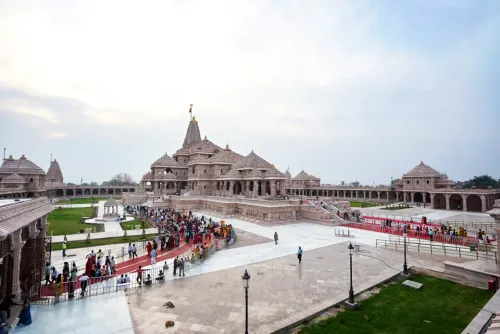
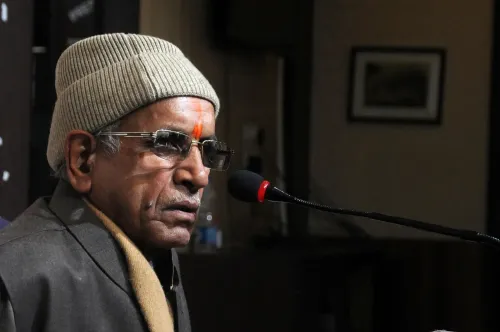
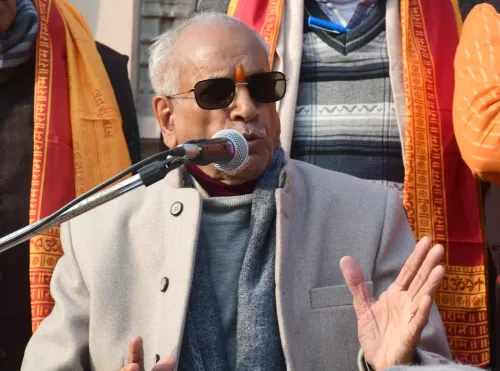
Ram Mandir Construction Committee Chairman Nripendra Misra on Saturday, 11 July described the recent donation theft at the Ram Mandir in Ayodhya as a matter of 'deep regret,' pledging that the temple administration would strengthen its oversight systems to prevent any recurrence. His remarks came after a site visit to review ongoing construction work at the temple complex.
Misra's Statement on the Theft
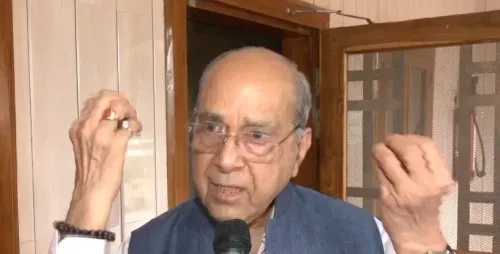
Speaking to reporters, Misra did not mince words about the gravity of the incident. 'The incident that occurred at the Ram Mandir is a matter of deep regret for all of us. We not only feel sorry, but also feel diminished by what has happened. It is a matter related to the system, and improvements will certainly be made. I have full faith that such incidents will not be repeated,' he said.
The theft of donations at one of India's most prominent and emotionally significant religious sites has drawn widespread concern among devotees and stakeholders associated with the project. This comes amid heightened scrutiny of temple administration practices at major religious institutions across the country.
Construction Update: Final Phase Underway
Misra confirmed that the Ram Mandir project has entered its final phase, with two major tasks still pending. The first involves completing arrangements for a 24-hour 'jwala' (eternal flame) linked to the old temple and its memorial. The second is the completion of the memorial itself, which Misra said is expected to be finished by the end of July.
On the progress of the temple's boundary wall, Misra expressed confidence following a personal site inspection. 'I inspected the site yesterday, and based on the current pace of work, I am confident that the boundary wall will be completed by September 30,' he said.
Oversight Structure and Review Mechanism
Misra outlined the governance framework overseeing the temple's operations. A high-level committee, headed by a retired judge, submits recommendations directly to the Shri Ram Janmabhoomi Teerth Kshetra Trust, which considers them before taking any decision. This structure is intended to ensure independent oversight of critical matters affecting the temple.
The Construction Committee, he added, holds regular review meetings attended by representatives of Larsen & Toubro (L&T), TCE, Rajkiya Nirman Nigam, Engineers India Limited, and other agencies involved in executing the project. These meetings are designed to monitor progress and ensure timely completion of remaining work.
Significance of the Ram Mandir
Misra underscored the unique spiritual and cultural standing of the temple. 'Every temple deserves our devotion and respect, but the Ram Lalla temple holds a special place because it has been built after a long struggle at what is believed to be the birthplace of Lord Ram. This makes it extraordinary,' he said. He expressed confidence that the number of devotees visiting would never decline, adding that every follower of Sanatan Dharma would wish to visit at least once in their lifetime.
With the construction nearing completion and the donation theft episode prompting a systemic review, all eyes will now be on whether the temple administration delivers on its promise of stronger accountability mechanisms in the weeks ahead.
Point of View
But expressions of regret are not a governance fix. The temple's oversight structure — a retired-judge-led committee feeding into the Trust — sounds robust on paper, yet the theft occurred anyway, suggesting the gap is in day-to-day operational controls, not in the high-level architecture. The real test will be whether the promised 'system improvements' are made public and independently verified, or remain internal assurances that devotees are asked to accept on faith.
NationPress
10 Oct 2026
Frequently Asked Questions
What happened at the Ram Mandir in Ayodhya?
Donations were stolen from the Ram Mandir in Ayodhya, prompting Construction Committee Chairman Nripendra Misra to publicly describe the incident as a matter of 'deep regret' and pledge systemic improvements to prevent recurrence.
What did Nripendra Misra say about the donation theft?
Misra said the incident left everyone associated with the project feeling 'diminished' and committed to strengthening the temple's systems. He stated, 'I have full faith that such incidents will not be repeated.'
When will the Ram Mandir construction be fully complete?
The memorial work is expected to finish by the end of July, while the boundary wall is targeted for completion by September 30, according to Misra's update on 11 July.
Who oversees the Ram Mandir's administration and governance?
A high-level committee headed by a retired judge submits recommendations to the Shri Ram Janmabhoomi Teerth Kshetra Trust, which takes final decisions. Construction review meetings involve agencies including L&T, TCE, Rajkiya Nirman Nigam, and Engineers India Limited.
Why is the Ram Mandir considered significant?
The Ram Mandir in Ayodhya is built at what is believed to be the birthplace of Lord Ram, following decades of legal and social dispute. Misra described it as holding 'a special place' among temples due to this history, and said devotees from across the world continue to visit in large numbers.