Jharkhand CMO: Adivasi Divas Procession Lights Up Ranchi
Synopsis
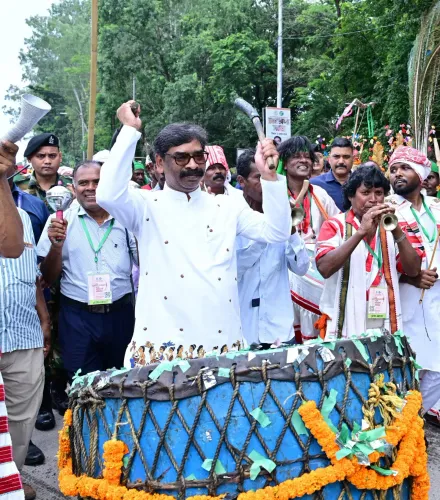
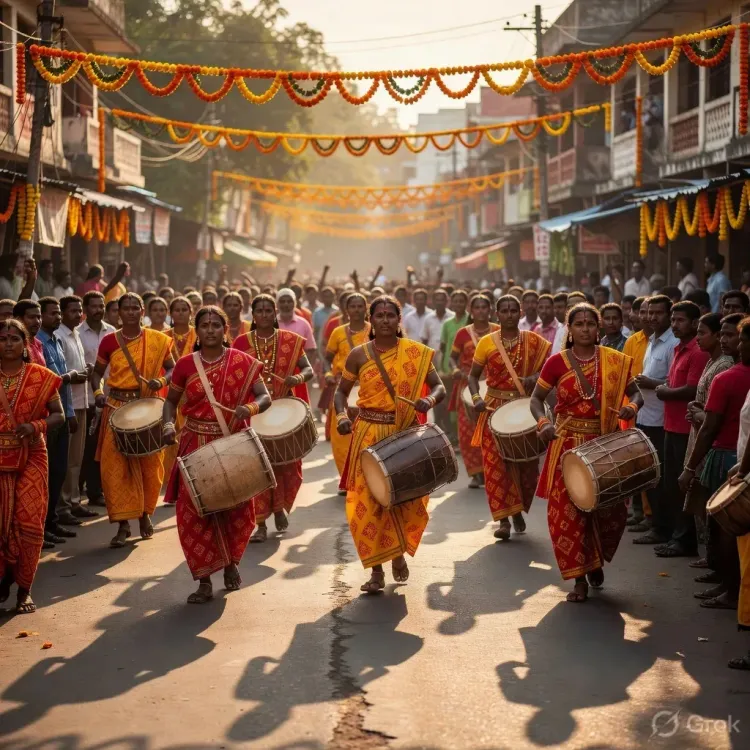
On Adivasi Divas, August 9, 2026, the Jharkhand CMO shared scenes of a vibrant tribal folk-culture procession through Ranchi, celebrating the state's indigenous heritage with dhol-mandar rhythms and traditional pageantry.
Key Takeaways
Adivasi Divas was observed on August 9, 2026 , coinciding with the UN's International Day of the World's Indigenous Peoples.
The Chief Minister's Office of Jharkhand shared imagery of a folk-culture procession through Ranchi's streets.
Traditional instruments dhol and mandar were central to the celebrations, reflecting Jharkhand's tribal musical identity.
The post tagged both @VisitJharkhand and @CultureJhrGovt , signalling a coordinated state tourism-and-culture push.
Jharkhand was formed in November 2000 partly to protect and recognise the cultural rights of its large Adivasi population.
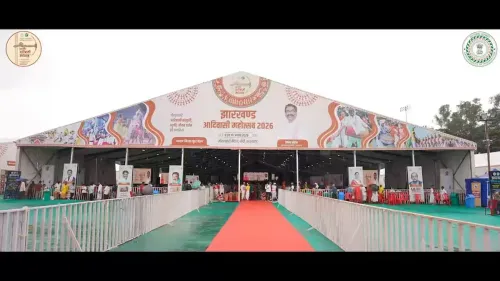
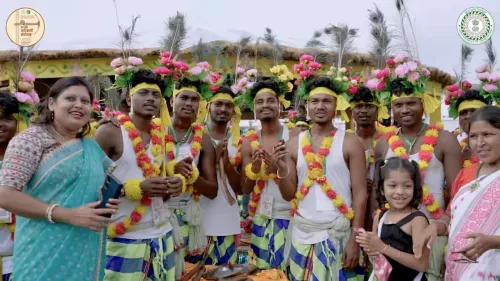
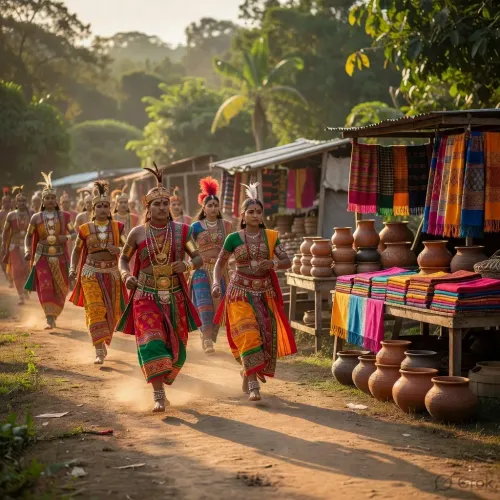
The beat of the dhol and mandar rolled through Ranchi's streets on Sunday, August 9, 2026, as a vibrant procession of Adivasi folk culture marked Jharkhand Adivasi Divas — and the Chief Minister's Office of Jharkhand captured the moment for the world to see. Tribal traditions, colour, and music converged in what the CMO called a 'glorious caravan of Adivasi folk culture.'
The post, shared in Hindi, declared: 'Dhol-mandar ki goonj aur paramparaon ka yeh anootha ullas' — 'The unique joy of the resonance of dhol-mandar and traditions. Jharkhand swayed with delight.' It tagged both the state's official tourism handle @VisitJharkhand and the Department of Culture, Government of Jharkhand, signalling a coordinated state push around the occasion.
Why Adivasi Divas Matters to Jharkhand
Jharkhand, carved out of Bihar in November 2000, was born from decades of demand for tribal autonomy and recognition of indigenous cultural rights. The state is home to one of India's largest Adivasi populations, and the annual Adivasi Divas — observed on August 9, which coincides with the UN's International Day of the World's Indigenous Peoples — has become a focal point for celebrating that identity publicly and proudly.
Processions featuring traditional instruments like the dhol (drum) and mandar (a barrel-shaped percussion instrument central to Jharkhand's tribal music) are a defining feature of these celebrations in Ranchi. The state government, through its Culture Department and tourism arm, has consistently used such events to project tribal heritage as both a living tradition and a cultural asset.
Culture as Policy: Jharkhand's Recurring Playbook
This is not a one-off spectacle. Jharkhand administrations across political lines have periodically organised Adivasi Mahotsav and allied festivals to promote folk music, dance, and crafts — weaving cultural preservation into the state's tourism and identity narrative. The dual tagging of @VisitJharkhand and @CultureJhrGovt in Sunday's post underlines that alignment: heritage and hospitality, packaged together.
For Jharkhand's Adivasi communities, days like these are more than pageantry — they are a public assertion of a cultural identity that the state's very founding was meant to protect. The streets of Ranchi, alive with the goonj (resonance) of traditional percussion, make that argument louder than any policy document could.
Point of View
The administration frames Adivasi heritage not merely as tradition but as a brand. This mirrors a broader pattern among state governments seeking to convert cultural capital into tourism revenue and political goodwill. The real test, however, lies in whether such celebratory visibility translates into sustained policy investment in Adivasi arts infrastructure and community livelihoods.
NationPress
23 Sept 2026
Frequently Asked Questions
What is Adivasi Divas and why is it celebrated on August 9?
Adivasi Divas is an annual observance in Jharkhand celebrating the state's indigenous tribal communities. It falls on August 9 to align with the United Nations' International Day of the World's Indigenous Peoples, recognised globally since 1994.
What happened in Ranchi on Adivasi Divas 2026?
The Chief Minister's Office of Jharkhand shared visuals of a folk-culture procession through Ranchi's streets on August 9, 2026 , featuring traditional instruments like the dhol and mandar as part of Adivasi Mahotsav celebrations.
What are dhol and mandar in Jharkhand's tribal culture?
The dhol is a traditional drum and the mandar is a barrel-shaped percussion instrument central to the folk music of Jharkhand's Adivasi communities, commonly played during festivals, processions, and ceremonial occasions.
Why was Jharkhand created as a separate state?
Jharkhand was carved out of Bihar in November 2000 following long-standing demands from tribal communities for autonomy and formal recognition of their cultural and political rights.
What is Adivasi Mahotsav in Jharkhand?
Adivasi Mahotsav is a state-organised festival in Jharkhand that promotes tribal folk music, dance, and crafts. It is periodically held to preserve indigenous performing arts and support cultural tourism in the state.