Ranchi women workers block NH-33 over wage, safety and working hours demands
Synopsis
Women garment workers at a Ranchi factory didn't just down tools — they sat on a national highway. Their blockade of NH-33 at Pancha on 14 October over wage violations, unsafe conditions, and management threats against complainants paralysed Ranchi-Jamshedpur traffic and forced police-brokered talks, with no resolution in sight at the time of filing.
Key Takeaways
Women workers at a readymade garments factory in Pancha, Ranchi blocked NH-33 from around 9 am on 14 October .
Demands centred on fair wages , regulated working hours , and improved workplace safety .
Workers alleged the management violated Labour Department regulations and threatened employees who raised complaints.
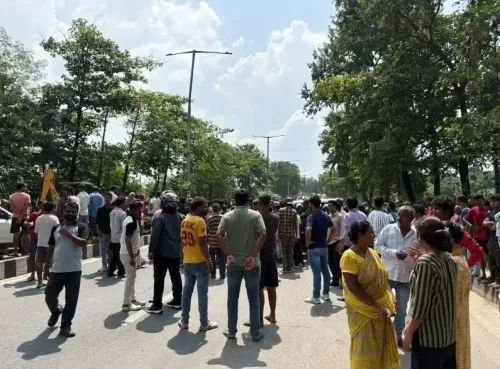
The blockade disrupted traffic on the Ranchi–Jamshedpur corridor, with long vehicle queues on both sides of the highway.
Police and district officials reached the spot and held talks; the protest and highway stall were unresolved at the time of filing.
The company management had issued no official response to the allegations.
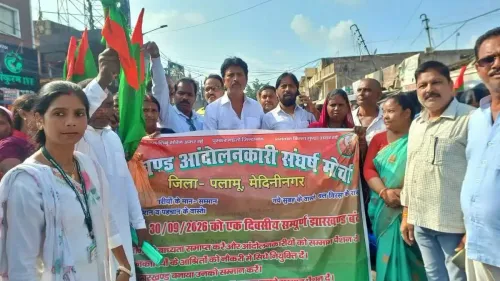
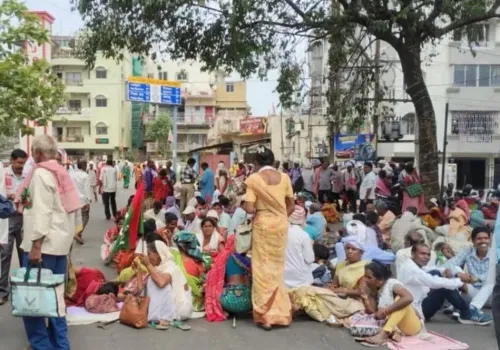
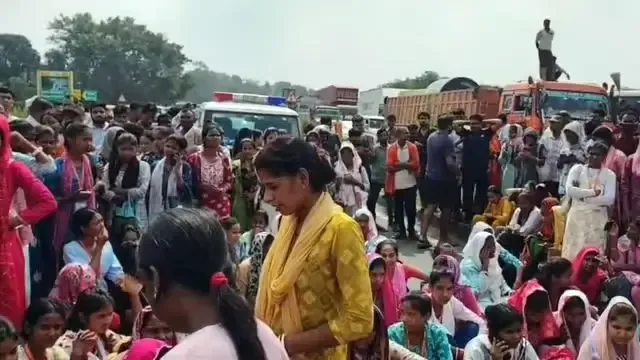
Hundreds of women workers employed at a readymade garments manufacturer in Pancha, under the Dasham Falls police station area of Ranchi, blocked the Ranchi-Tata National Highway-33 on Wednesday, 14 October, demanding fair wages, regulated working hours, and improved workplace safety. The protest, which began around 9 am IST, brought traffic between Ranchi and Jamshedpur to a standstill as long queues of vehicles built up on both sides of the highway.
What Triggered the Protest
The workers alleged that the private company's management was openly flouting Labour Department regulations on wages and working hours. More seriously, they claimed that employees who raised objections were threatened with punitive action by management — a charge the company had not officially responded to at the time this report was filed.
Frustrated by what they described as persistent inaction on their grievances, the women took to the road near Pancha and raised slogans demanding an immediate resolution. They made clear their agitation would continue until all demands were addressed.
Impact on Traffic and Commuters
The blockade on NH-33 — a key arterial route linking Ranchi and Jamshedpur — created significant disruption. Long vehicle queues formed on both sides of the highway, causing inconvenience to local residents, daily commuters, and goods transporters. The standstill had not been fully resolved at the time of filing this report.
Administration Steps In
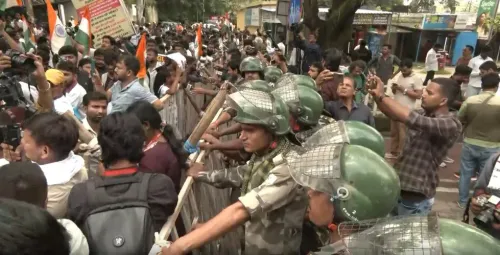
Following reports of the blockade, police and district administrative officials reached the protest site and held talks with the demonstrators in a bid to restore traffic movement. Authorities attempted to persuade the workers to vacate the highway while simultaneously seeking to address their stated grievances.
However, the protesting women held firm, refusing to disperse until concrete commitments were made. Negotiations between the company management and the workers were still ongoing when this report was compiled, and traffic on the highway had yet to normalise.
Wider Context
The protest highlights a recurring pattern of labour disputes in Jharkhand's garment and manufacturing units, where women workers — often employed on informal or low-wage contracts — have periodically raised concerns about wage theft, excessive working hours, and unsafe conditions. This comes amid broader national conversations about the enforcement of labour codes across small and mid-size enterprises. The outcome of the talks between management, workers, and the administration remains awaited.
Point of View
The highway protest will likely repeat in some form.
NationPress
14 Oct 2026
Frequently Asked Questions
Why did women workers block NH-33 in Ranchi?
Women workers at a readymade garments factory in Pancha, Ranchi blocked the Ranchi-Tata National Highway-33 on 14 October to demand fair wages, regulated working hours, and better workplace safety. They alleged the management was violating Labour Department regulations and threatening employees who raised objections.
Which area of Ranchi did the protest take place in?
The protest took place in Pancha, which falls under the Dasham Falls police station area in Ranchi, Jharkhand. Workers sat on the main road near Pancha and raised slogans in support of their demands.
How did the blockade affect traffic?
The blockade on NH-33 disrupted the key Ranchi–Jamshedpur corridor, with long queues of vehicles forming on both sides of the highway. Commuters, local residents, and goods transporters were all affected, and traffic had not normalised at the time of filing.
What action did the administration take?
Police and district administrative officials reached the protest site and held talks with the workers, attempting to persuade them to clear the road while also seeking to address their grievances. However, the women remained firm on their demands and negotiations were still ongoing.
Has the company management responded to the allegations?
No. The company management had not issued any official response to the workers' allegations of Labour Department violations and threats against complainants at the time this report was filed. The outcome of management-worker talks was still awaited.