Rayalaseema El Nino impact: 11 Andhra districts face rainfall deficit
Synopsis
Eleven districts across Andhra Pradesh's Rayalaseema — including Anantapur, Sri Sathya Sai, and Kurnool — are reeling from El Nino-driven rainfall shortfalls, with the state government placing disaster response teams on standby and directing farmers toward alternative crops. The dry spell is hitting one of India's most historically drought-prone regions at the peak of the sowing season.
Key Takeaways
11 Rayalaseema districts in Andhra Pradesh are facing moderate to severe rainfall deficit due to El Nino , as of 7 July .
Sri Sathya Sai , Anantapur , and Annamayya districts have recorded a severe rainfall deficit ; eight others face a moderate shortfall.
Minister Vangalapudi Anitha chaired a high-level review at APSDMA headquarters in Tadepalli .
Officials directed to promote alternative crops in drought-prone mandals and establish 24/7 control rooms at state and district levels.
State government has set a target of zero loss of life ; NDRF , SDRF , police, and fire teams placed on emergency standby.
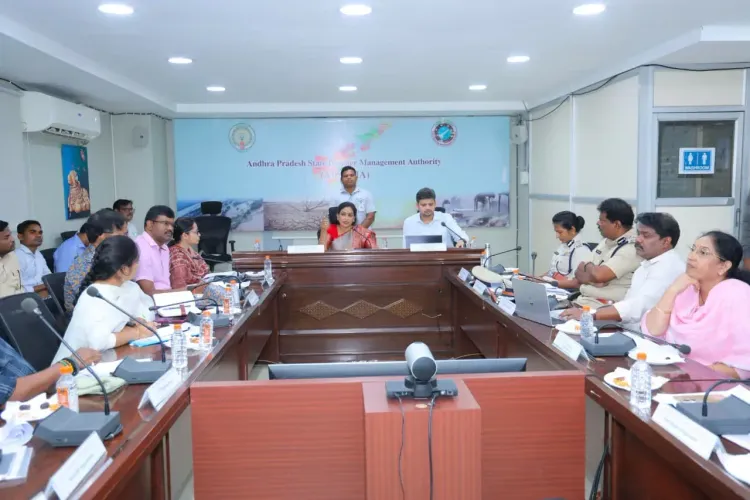
Andhra Pradesh's Rayalaseema region is bearing the brunt of the El Nino effect this monsoon season, with a moderate to severe rainfall deficit recorded across 11 districts, officials confirmed on Tuesday, 7 July. The disclosure came during a high-level review meeting convened by the state government at the Andhra Pradesh State Disaster Management Authority (APSDMA) headquarters in Tadepalli.
Districts Hit Hardest
Sri Sathya Sai, Anantapur, and Annamayya districts are facing a severe rainfall deficit, according to officials. A moderate rainfall deficit has been recorded in Kurnool, Nandyal, Chittoor, Kadapa, Prakasam, Markapuram, Nellore, and Tirupati districts. Together, these 11 districts represent a significant stretch of southern Andhra Pradesh's agricultural heartland, making the El Nino-driven dry spell a pressing concern for the region's farming communities.
What the Government Reviewed
Andhra Pradesh Home and Disaster Management Minister Vangalapudi Anitha chaired the review meeting, which assessed the impact of the Southwest Monsoon and El Nino on rainfall patterns, agricultural conditions, drinking water availability, and disaster management preparedness. Officials from a broad cross-section of departments participated, including representatives from APSDMA, state police, fire services, the army, navy, air force, the National Disaster Response Force (NDRF), the State Disaster Response Force (SDRF), Agriculture, Horticulture, Animal Husbandry, Rural Water Supply, Municipal Administration, Panchayat Raj, Water Resources, Electricity, Roads and Buildings, and Civil Supplies. APSDMA Managing Director Prakhar Jain was among those present.
Key Directives from the Minister
Minister Anitha directed officials to launch awareness campaigns among farmers in drought-prone mandals, encouraging them to shift to alternative crops suited to dry conditions. She underscored that the state government's overarching goal is to ensure zero loss of life due to disasters. She also mandated the establishment of round-the-clock special control rooms at both the state and district levels, and instructed departments to prepare evacuation plans for residents in low-lying, flood-vulnerable areas.
Preparedness and Relief Measures
The minister stressed that there must be no disruption to essential services, particularly drinking water and electricity supply. Rehabilitation centres are to be stocked with adequate food, drinking water, and medical services ahead of any escalation. Police, fire, NDRF, and APSDRF teams have been placed on standby for emergency response. This comes amid growing concern that a prolonged dry spell could deepen agricultural distress in a region already historically vulnerable to drought cycles.
Broader Context
Rayalaseema has long been one of India's most drought-susceptible zones, with erratic monsoon performance compounding structural water scarcity. The current El Nino pattern — which typically suppresses Indian Ocean rainfall — has amplified this vulnerability in 2024. With the Southwest Monsoon's critical sowing window narrowing, the state's push to redirect farmers toward alternative crops may prove decisive in limiting economic damage this season.
Point of View
But its effectiveness hinges on how quickly seed support and credit facilities follow. El Nino years have historically translated into agricultural loan distress in this belt; the real test for the Andhra Pradesh government will be whether the institutional response outlasts the news cycle and reaches the mandal level before the sowing window closes entirely.
NationPress
6 Oct 2026
Frequently Asked Questions
Which districts in Andhra Pradesh are affected by El Nino rainfall deficit?
Eleven districts in the Rayalaseema region are affected. Sri Sathya Sai, Anantapur, and Annamayya face a severe deficit, while Kurnool, Nandyal, Chittoor, Kadapa, Prakasam, Markapuram, Nellore, and Tirupati face a moderate deficit.
What is El Nino and why does it affect Rayalaseema?
El Nino is a periodic warming of Pacific Ocean surface temperatures that typically suppresses monsoon rainfall over the Indian subcontinent. Rayalaseema is historically one of India's most drought-prone regions, making it especially vulnerable when El Nino reduces Southwest Monsoon intensity.
What steps is the Andhra Pradesh government taking to address the drought?
The government has directed officials to promote alternative crops in drought-prone mandals, set up round-the-clock control rooms at state and district levels, and keep NDRF, SDRF, police, and fire teams on emergency standby. Rehabilitation centres are to be stocked with food, water, and medical supplies.
Who chaired the El Nino review meeting in Andhra Pradesh?
Home and Disaster Management Minister Vangalapudi Anitha chaired the high-level review meeting held at the APSDMA headquarters in Tadepalli on 7 July. APSDMA Managing Director Prakhar Jain and officials from over a dozen departments attended.
What is the state government's disaster management goal?
Minister Vangalapudi Anitha stated that the Andhra Pradesh government's primary goal is zero loss of life due to disasters. Officials have been instructed to ensure uninterrupted drinking water and electricity supply and to prepare evacuation plans for residents in flood-vulnerable low-lying areas.