RBI repo rate decision today: 25 bps hike expected amid $100 crude, rising inflation
Synopsis
India's central bank is on the cusp of its first repo rate hike since February 2023, with BofA and SBI Research both calling a 25 bps increase at the October MPC. Crude above $100, CPI at 4.82%, and El Niño-linked food risks have boxed the RBI into a corner — and the window for waiting until December has effectively closed.
Key Takeaways
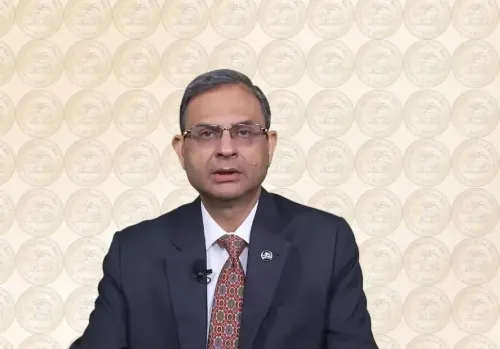
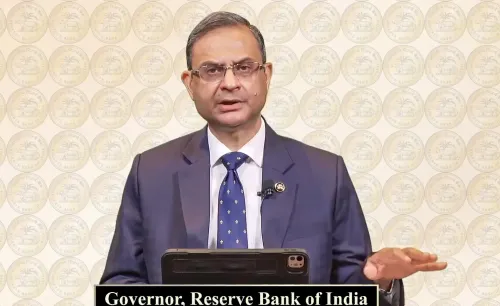
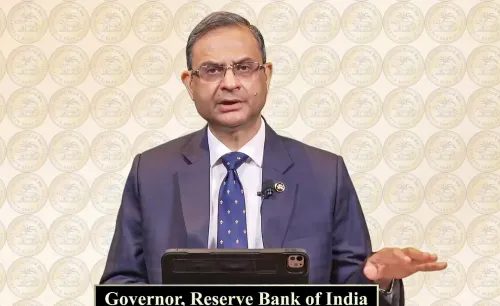
The RBI MPC , led by Governor Sanjay Malhotra , is set to announce its rate decision on Wednesday, 8 October 2026 .
The repo rate currently stands at 5.25% ; a 25 bps hike to 5.50% is widely anticipated — the first increase since February 2023 .
CPI inflation rose to 4.82% in August from 4.45% in July, while crude oil has crossed $100 a barrel .
Bank of America and SBI Research both brought forward their rate-hike calls from December to October.
El Niño conditions and below-normal October rainfall pose additional upside risks to food inflation and Rabi output.
The Reserve Bank of India's (RBI) Monetary Policy Committee (MPC), led by Governor Sanjay Malhotra, is set to announce its bi-monthly interest rate decision on Wednesday, 8 October 2026, against a backdrop of rising domestic inflation, crude oil prices above $100 a barrel, and escalating Middle East geopolitical tensions. Economists widely expect a 25 basis point (bps) repo rate hike — the first increase since February 2023.
The six-member committee concluded its three-day deliberations with the announcement expected to signal a decisive pivot from nearly two years of monetary accommodation.
Why a Rate Hike Is Expected Now
Multiple domestic and global pressures have converged to tilt the balance toward pre-emptive action. Consumer Price Index (CPI) inflation climbed to 4.82% in August from 4.45% in July, reflecting a broadening price spiral. Simultaneously, crude oil's surge past the $100 per barrel mark — fuelled by conflict in the Middle East — has stoked fuel and logistics cost pressures across the Indian economy.
Higher global bond yields and tighter international financial conditions have further narrowed the central bank's window to hold rates steady without risking currency and capital-flow instability.
What Analysts Are Saying
Bank of America (BofA) brought forward its rate-hike forecast from December, now projecting a 25 bps increase at the October MPC meeting. 'After almost two years of monetary accommodation, the RBI appears set to take early steps to start withdrawing the policy support in October MPC. As such, we now believe that the RBI will go ahead with a rate hike of 25 bp in October MPC,' BofA said in a note.
SBI Research echoed the view, arguing that broadening inflationary pressures, worsening global macroeconomic conditions, evolving domestic liquidity, and a global repricing of risk have collectively made the case for pre-emptive action 'stronger.' 'It would be prudent for us to act pre-emptively rather than be behind the curve,' economists at SBI Research said.
Agricultural and Seasonal Risk Factors
Beyond energy prices, food inflation risks loom large. Strong El Niño conditions and below-normal October rainfall could adversely affect Rabi crop output, potentially adding another layer of price pressure heading into the winter sowing season. Analysts warn this could push CPI higher in the coming months, reinforcing the case for an early rate move.
Current Repo Rate and What Changes
The repo rate currently stands at 5.25%. A 25 bps hike, if confirmed, would lift it to 5.50% — marking the formal start of a rate-hiking cycle and a clear departure from the accommodative stance the RBI has maintained since the pandemic-era easing. Borrowers across home loans, auto loans, and corporate credit lines could begin feeling the impact within weeks of the decision.
Broader Context
This announcement comes amid one of the most challenging global macro environments in recent memory, with the US Federal Reserve, European Central Bank, and several emerging-market central banks already well into tightening cycles. India's RBI had held out longer than most, but with inflation persistently above comfort levels and the external account under strain from a costly crude import bill, the October MPC marks a likely inflection point.
Point of View
Suggesting the data inflection was sharper than the market had priced. The real question is not whether the RBI hikes in October, but how aggressively it signals the path ahead: a single 25 bps move with a neutral forward guidance could actually reassure markets, whereas an open-ended hawkish tilt risks amplifying currency volatility at a time when the external account is already strained. The RBI's communication will matter as much as the rate itself.
NationPress
7 Oct 2026
Frequently Asked Questions
What is the RBI expected to announce on 8 October 2026?
The RBI's Monetary Policy Committee is expected to hike the repo rate by 25 basis points to 5.50% at its October 2026 meeting. This would mark the first rate increase since February 2023, ending an extended period of monetary accommodation.
Why is the RBI expected to raise interest rates now?
A combination of rising CPI inflation — which hit 4.82% in August — crude oil prices above $100 a barrel driven by Middle East tensions, and higher global bond yields has narrowed the RBI's room to hold rates. Both Bank of America and SBI Research have brought forward their rate-hike forecasts to October from December.
What is the current repo rate in India?
The repo rate currently stands at 5.25%. A 25 bps hike, if confirmed, would raise it to 5.50%.
How will a repo rate hike affect borrowers?
A repo rate increase typically flows through to higher lending rates on home loans, auto loans, and corporate credit within weeks. Existing floating-rate borrowers will see their EMIs rise, while new borrowers will face higher loan costs.
What are the additional inflation risks mentioned by analysts?
Beyond crude oil, strong El Niño conditions and below-normal October rainfall pose a risk to Rabi crop output, which could push food inflation higher in the coming months and further justify pre-emptive monetary tightening, according to analysts.