RBI directs banks to strengthen Internal Ombudsmen for faster grievance redress

Synopsis
The RBI has told banks and NBFCs to stop treating their Internal Ombudsmen as a formality. Deputy Governor Swaminathan J. made it plain at the third annual IO conference in Mumbai: boards must actively empower the mechanism, or customer complaints will keep piling up at the regulator's door — a pressure the RBI is clearly looking to redirect back to the institutions themselves.
Key Takeaways
The RBI on 13 July directed banks and NBFCs to empower their Internal Ombudsman (IO) mechanisms for faster grievance redress.
RBI Deputy Governor Swaminathan J. called on Boards and senior management to actively back the IO framework and use its insights to improve customer service.
IOs were asked to identify recurring complaint patterns , conduct root cause analyses, and implement systemic fixes.
The Internal Ombudsman is the final independent review layer within a regulated entity before a customer approaches the RBI Ombudsman .
RBI Executive Director Sonali Sen Gupta led an open-house session on strengthening the IO framework.
Participants included IOs from banks , NBFCs , credit information companies (CICs) , CEOs, MDs, and senior RBI officials.
The Reserve Bank of India (RBI) on Monday, 13 July directed banks to empower their Internal Ombudsman (IO) mechanisms, calling for faster and more effective resolution of customer complaints before they escalate to external forums. The directive came at the third annual conference of Internal Ombudsmen of banks and non-banking financial companies (NBFCs) held in Mumbai.
What the RBI Said
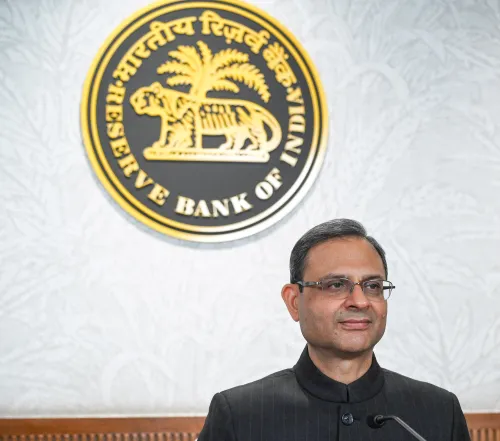
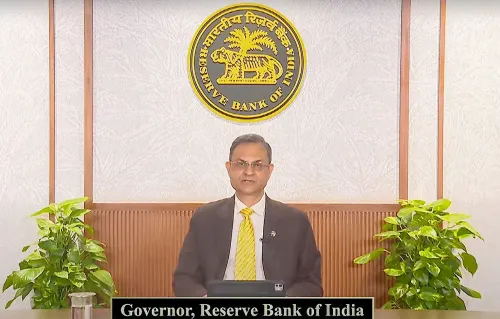
RBI Deputy Governor Swaminathan J. addressed the gathering, urging internal ombudsmen to deliver 'meaningful, fair, and effective' resolution of customer complaints. He called on Boards and senior management of regulated entities to actively empower the IO mechanism and leverage its insights to improve customer service standards across the board.
The Deputy Governor also asked IOs to identify recurring complaint patterns, conduct root cause analyses, and drive the implementation of systemic remedial measures — steps aimed at reducing the volume of grievances that reach the RBI Ombudsman or other external dispute forums.
Role of the Internal Ombudsman
Under the RBI's framework, the Internal Ombudsman functions as the final independent review layer within a regulated entity. Customers whose complaints have not been fully resolved internally may approach the IO before escalating to the RBI Ombudsman or any external forum. The IO is empowered to facilitate resolution through agreement, conciliation, mediation, or by passing an Award under the scheme's provisions — irrespective of the monetary value of the grievance.
Who Attended the Conference
The conference brought together a wide cross-section of stakeholders: IOs from banks, NBFCs, credit information companies (CICs), and other regulated entities, alongside Managing Directors, Chief Executive Officers, Executive Directors overseeing customer service, and Principal Nodal Officers. RBI Ombudsmen and senior RBI officials also participated.
Sessions covered recent grievance redress trends, regulatory expectations, and insights from the RBI Ombudsman's office, with a focus on achieving faster, higher-quality resolutions and preventing avoidable escalations through systemic improvements.
Open-House Interaction
RBI Executive Director Sonali Sen Gupta led an open-house session, engaging participants in a dialogue on further enhancing the effectiveness of the IO framework. The interactive format underscored the RBI's intent to treat the IO conference not merely as a compliance exercise but as a platform for continuous institutional improvement.
What This Means for Bank Customers
For millions of bank customers, a strengthened IO mechanism could mean faster resolution of disputes over loan disbursals, account operations, digital transactions, and other banking services — without the need to approach external regulators. This comes amid a broader RBI push to raise customer service standards across the financial sector, particularly as digital banking volumes and associated complaints continue to rise. Whether regulated entities translate the RBI's exhortations into structural change at the board level will determine the real-world impact of Monday's directive.
Point of View
Yet external escalations to the RBI Ombudsman continue to rise. The real question is whether the RBI will start measuring IO effectiveness through published resolution-rate data and linking it to supervisory ratings of banks. Without that feedback loop, Monday's conference is good optics, not structural reform.
NationPress
14 Jul 2026
Frequently Asked Questions
What is the Internal Ombudsman mechanism in Indian banks?
The Internal Ombudsman (IO) is an independent review authority within a bank or NBFC, appointed under an RBI scheme, to examine customer complaints that have not been fully resolved by the institution's own grievance redress process. The IO serves as the last internal recourse before a customer approaches the RBI Ombudsman or an external forum.
Why has the RBI asked banks to empower their Internal Ombudsmen?
The RBI wants to reduce the volume of customer complaints that escalate to external forums, including the RBI Ombudsman. By strengthening the IO mechanism, the regulator aims to ensure faster, fairer resolutions at the institutional level itself, easing pressure on external dispute channels.
What did RBI Deputy Governor Swaminathan J. say at the conference?
Deputy Governor Swaminathan J. urged internal ombudsmen to provide meaningful, fair, and effective complaint resolution. He also asked Boards and senior management to actively empower the IO mechanism and use its insights to improve customer service, while calling on IOs to identify recurring issues and drive systemic remedial action.
Who can approach the Internal Ombudsman?
A bank or NBFC customer whose complaint has not been fully resolved through the institution's standard grievance redress process can approach the Internal Ombudsman. The IO can handle complaints irrespective of the monetary value of the grievance, and can resolve disputes through conciliation, mediation, or by passing an Award.
What is the difference between the Internal Ombudsman and the RBI Ombudsman?
The Internal Ombudsman operates within a regulated entity and is the final internal review layer for unresolved complaints. The RBI Ombudsman is an external, regulator-appointed authority that customers can approach only after exhausting internal redress channels, including the IO.