Jammu retired soldier killed by banned Chinese manja string on Ring Road
Synopsis
A retired Army Naib Subedar working as a security guard was fatally struck by banned Chinese manja strung across a road in Jammu's Bishnah area — a grim reminder that India's patchwork manja bans remain dangerously under-enforced, even as ex-servicemen communities demand accountability.
Key Takeaways
Naib Subedar Lakhvinder Singh (retd) was killed after banned Chinese manja sliced his throat on the Ring Road, Jammu on 31 August .
He was returning home to R.S.
Pura from work at an industrial unit in Bari Brahmana when the incident occurred in the Bishnah area .
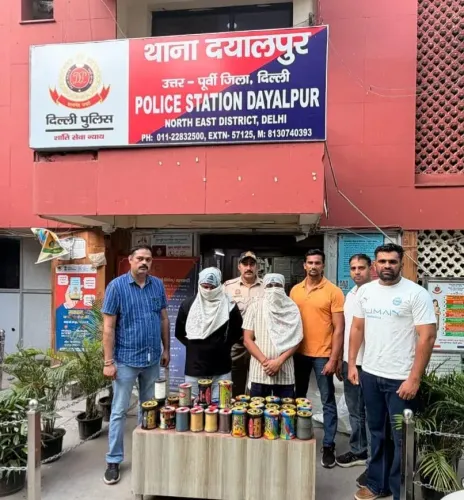
The sale and use of Chinese kite string (manja) is banned in Jammu and Kashmir; multiple shopkeepers have been arrested in recent crackdowns.
Police have registered a case and launched an investigation to identify those responsible.
Residents are demanding stricter enforcement of the manja ban in the wake of the fatal accident.
A retired soldier, Naib Subedar Lakhvinder Singh, was killed after a banned Chinese kite string — commonly known as manja — sliced through his throat while he was riding his two-wheeler on the Ring Road in Jammu late Sunday evening, 31 August. Officials confirmed the fatality on Monday, calling it a road accident caused by the deadly synthetic string.
How the Incident Unfolded
According to officials, Lakhvinder Singh was passing through the Bishnah area on his two-wheeler when he came into contact with the killer string strung across the road. He sustained critical throat injuries and was immediately rushed to a nearby hospital, where he succumbed to his wounds.
Singh had been returning to his home in the R.S. Pura area after completing a shift at an industrial unit in Bari Brahmana, where he worked as a private security guard following his retirement from the armed forces.
Ban in Place, Enforcement Under Scrutiny
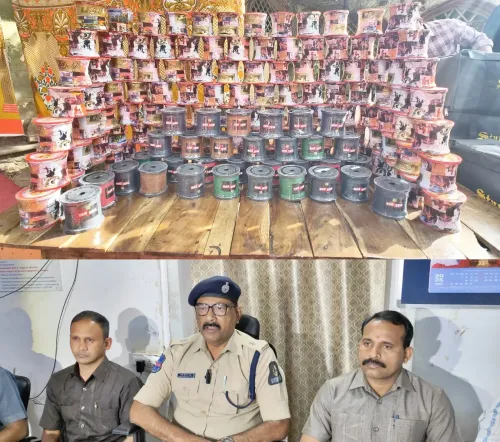
The sale and use of Chinese manja is prohibited under existing regulations in Jammu and Kashmir. Authorities have conducted crackdowns in the recent past, arresting several shopkeepers across Jammu for clandestinely dealing in the banned material. Despite these efforts, the string's continued availability on the streets has raised serious questions about the effectiveness of enforcement.
Residents in the area have demanded strict action against those selling and using the prohibited string, particularly in the wake of this fatal incident. This is not an isolated concern — manja-related deaths and injuries have been reported across India in previous years, prompting courts and governments to impose bans that have been inconsistently enforced.
Police Investigation Under Way
Officials confirmed that police have registered a case under relevant sections of law. An investigation is ongoing to identify those responsible for leaving the string across the road and to bring them to justice, according to authorities.
Veteran Welfare Context
The death has drawn attention to the vulnerability of ex-servicemen who take up second-career employment in the region. The Zila Sainik Welfare Office (ZSWO) Jammu oversees veteran welfare, documentation, and re-employment support for ex-servicemen in the district. The Jammu and Kashmir government has also approved the deployment of 4,000 ex-servicemen volunteers across the Union Territory for non-combatant static guard duties, protecting critical infrastructure such as power stations and bridges in coordination with local police and the District Sainik Welfare Board.
As authorities pursue the investigation, the incident is expected to intensify pressure on the administration to enforce the manja ban more rigorously before the kite-flying season peaks.
Point of View
And it will not be the last unless enforcement shifts from reactive arrests to proactive seasonal surveillance. The administration owes a credible answer to why a banned material was strung across a public road at all.
NationPress
31 Aug 2026
Frequently Asked Questions
Who was Naib Subedar Lakhvinder Singh?
Naib Subedar Lakhvinder Singh was a retired Indian Army soldier who was working as a private security guard at an industrial unit in Bari Brahmana, Jammu. He was on his way home to R.S. Pura when he was fatally struck by banned Chinese manja on 31 August.
What is Chinese manja and why is it banned?
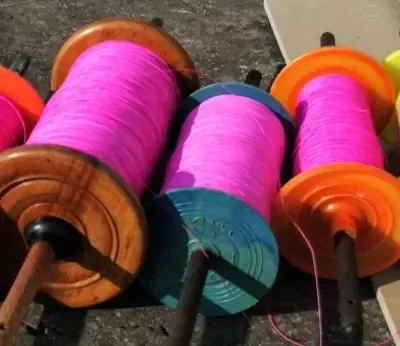
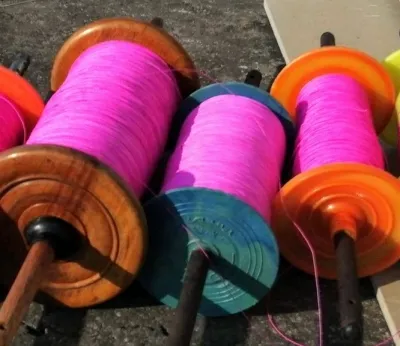
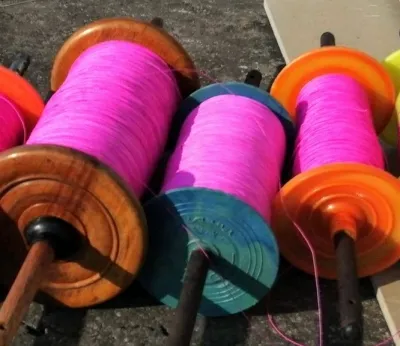
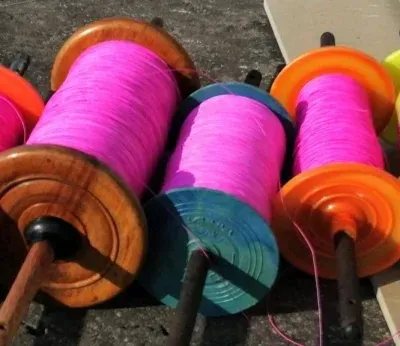
Chinese manja is a synthetic kite string coated with glass or metal powder, making it sharp enough to cut through skin and even sever throats. It is banned in Jammu and Kashmir — and across several Indian states — because of the serious injuries and deaths it has caused to pedestrians, cyclists, and motorists.
Has anyone been arrested in connection with the Jammu manja death?
As of the latest reports, police have registered a case under relevant sections of law and an investigation is ongoing to identify those responsible for leaving the string across the road. No arrests in this specific case had been confirmed at the time of reporting.
What action has the Jammu administration taken against manja sellers?
Authorities have conducted crackdowns in recent months, arresting several shopkeepers across Jammu for clandestinely dealing in banned Chinese manja. However, residents and critics argue that enforcement has been insufficient, given the string's continued availability.
What support is available for ex-servicemen in Jammu?
The Zila Sainik Welfare Office (ZSWO) Jammu provides welfare, documentation, and re-employment support to veterans. The J&K government has also approved the deployment of 4,000 ex-servicemen as non-combatant static guards protecting critical infrastructure across the Union Territory.