Revanth Reddy pushes digital governance, timely pay for contract staff
Synopsis
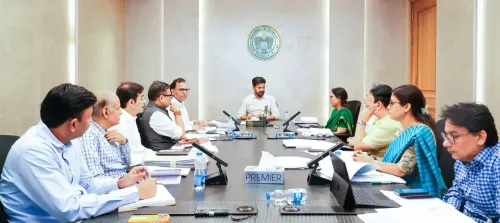
Telangana CM Revanth Reddy chaired a high-level review on digital governance and contract employee grievances on 7 July 2026, directing officials to digitise records, ensure first-of-month salaries, and prepare new legislation for transparent, technology-driven administration.
Key Takeaways
CM Revanth Reddy chaired a high-level review on 7 July 2026 covering digital governance and contract and outsourcing employee grievances.
Officials were directed to digitise records of all government, contract, and outsourcing employees to enable first-of-the-month salary payments .
Agencies that fail to pay contract or outsourcing workers on time will face strict punitive action as per the CM's directive.
Digital governance tools are to be used to ensure full transparency in welfare scheme delivery, restricting benefits to eligible recipients only.
Employee health cards and other service benefits are to be implemented through a digitisation drive covering all government staff categories.
The Telangana government has signalled readiness to draft and introduce new digital governance legislation in the state Assembly.
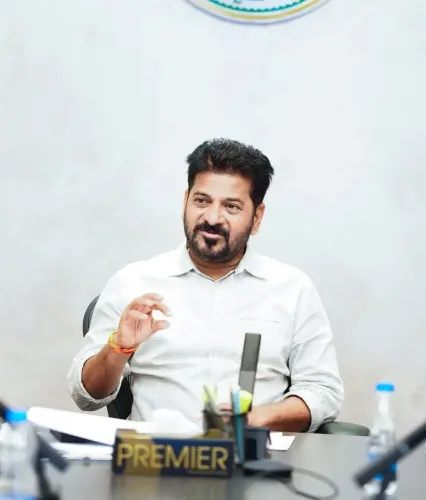
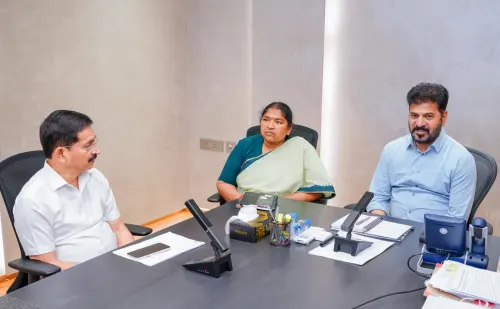
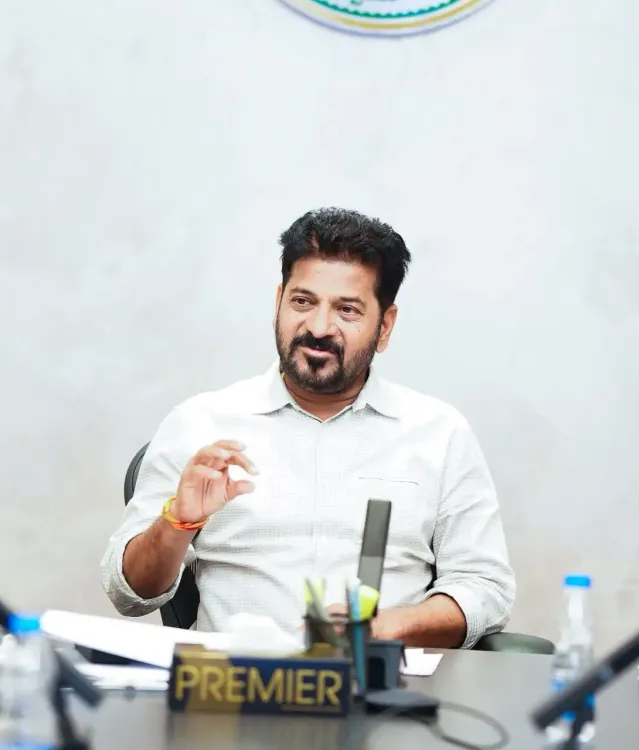
Telangana Chief Minister A. Revanth Reddy on Tuesday, 7 July 2026, announced that he had chaired a high-level review meeting on digital governance and the grievances of contract and outsourcing employees, directing senior officials to take concrete steps toward transparent, technology-driven administration. He also signalled that the government is prepared to enact new legislation to advance digital governance in the state.
Context
Posting in Telugu on X, CM Revanth Reddy stated: 'డిజిటల్ గవర్నెన్స్ దిశగా చర్యలు చేపట్టాలని అధికారులకు సూచించాను' ('I have directed officials to take steps toward digital governance'). He added that the government is ready to frame laws in that direction. The review covered three overlapping concerns: transparency in welfare scheme delivery, digitisation of employee records, and timely salary disbursement for contract and outsourcing workers.
The Chief Minister also directed that agencies which fail to pay contract and outsourcing employees on time must face strict action — a pointed instruction that signals accountability beyond routine administrative circulars.
Policy Backdrop
Telangana's Congress government, which came to power in December 2023, had committed in its election manifesto to transparent governance and on-time payments for contractual staff. The Praja Palana initiative, launched after the 2023 election, has been the flagship vehicle for improving welfare delivery and reducing leakages.
Across India, states have progressively linked welfare benefits to biometric databases and direct-transfer platforms since the 2010s, aiming to eliminate ghost beneficiaries and ensure that entitlements reach only eligible recipients. Telangana's current push builds on that broader national trajectory while tackling a state-specific pain point: chronic delays in wages for the large outsourced workforce that supports public services.
Stakeholders and Impact
CM Revanth Reddy specifically directed that the personal details of both regular government employees and contract or outsourcing employees be digitised, so that salaries for all categories are credited on the first of every month. He further directed that health cards and other benefits for government employees be implemented through the same digitisation drive.
For welfare beneficiaries, the Chief Minister emphasised that digital governance tools must be used to ensure 'full transparency' in scheme implementation and that benefits reach only those who are genuinely eligible — a direct effort to plug leakages that have long undermined welfare programmes. Contract and outsourcing workers, a constituency that often falls outside formal salary-protection frameworks, stand to gain most immediately if the first-of-the-month payment directive is enforced.
What's Next
The most consequential signal from the meeting is the government's stated readiness to draft and introduce new digital governance legislation in the Telangana Assembly. If tabled, such a law could provide a statutory backbone for the digitisation mandates discussed in the review, moving them from executive instruction to enforceable legal obligation.
Parallel to legislation, the phased digitisation of employee and beneficiary records will be a key metric to watch. Timely implementation will determine whether the first-of-the-month salary commitment translates into practice for the thousands of contract and outsourcing workers employed across Telangana's government machinery. The directive against non-compliant agencies adds an accountability layer that will be tested in the months ahead.
Point of View
Converting campaign rhetoric into administrative directives with an enforcement edge. The instruction to penalise agencies that delay contract-worker salaries is notable because it shifts accountability from the government to private intermediaries, a politically smart move that protects the administration's image while addressing a genuine grievance. The signal on new digital governance legislation, if followed through, could give Telangana a statutory framework that few Indian states possess for e-governance mandates. Taken together, the moves position Revanth Reddy ahead of potential mid-term scrutiny by demonstrating action on both transparency and worker welfare simultaneously.
NationPress
7 Jul 2026
Frequently Asked Questions
What did Telangana CM Revanth Reddy announce about digital governance?
CM Revanth Reddy announced after a high-level review meeting on 7 July 2026 that he has directed officials to pursue digital governance for transparent administration and that the government is ready to enact new laws in this direction.
Will contract and outsourcing employees in Telangana get salaries on the first of the month?
CM Revanth Reddy has directed that the details of contract and outsourcing employees be digitised so that their salaries are credited on the first of every month, and that agencies failing to pay on time will face strict action.
What is the Praja Palana initiative in Telangana?
Praja Palana is a Telangana government initiative launched after the Congress came to power in December 2023, aimed at improving welfare delivery, transparency in scheme implementation, and better public administration.
How will digital governance help welfare scheme beneficiaries in Telangana?
CM Revanth Reddy has directed that digital governance tools be used to ensure full transparency in welfare scheme delivery and that benefits reach only genuinely eligible recipients, reducing leakages.
Is Telangana planning a new digital governance law?
CM Revanth Reddy stated that the government is ready to frame laws to advance digital governance, though the specific legislation has not yet been tabled in the Telangana Assembly.