Rijiju Champions Arunachal on World Tourism Day
Synopsis
Union Minister Kiren Rijiju used World Tourism Day 2026 to champion Arunachal Pradesh under the Dekho Apna Desh banner, framing travel to the northeastern state as a cultural and transformative experience, not just a holiday.
Key Takeaways
Kiren Rijiju posted on World Tourism Day, 27 September 2026 , promoting Arunachal Pradesh as a must-visit destination.
The post invokes the Dekho Apna Desh campaign, launched by the Ministry of Tourism in 2020 to boost domestic travel post-pandemic.
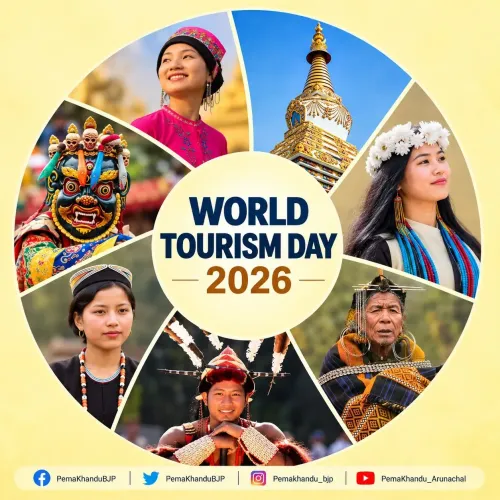
Rijiju described Arunachal as 'more than a destination' — an experience of 'stillness, beauty and timeless traditions.' Arunachal Pradesh borders China, Myanmar and Bhutan and hosts over 26 major tribes , making it one of India's most culturally rich yet under-visited states.
The post aligns with the central government's broader push to improve connectivity and tourism infrastructure across Northeast India .
On World Tourism Day, 27 September 2026, Union Parliamentary Affairs and Minority Affairs Minister Kiren Rijiju turned a global observance into a personal invitation — urging Indians to discover Arunachal Pradesh, the northeastern frontier he calls home, as a living experience of 'stillness, beauty and timeless traditions.'
Posting under the twin hashtags #DekhoApnaDesh and #WorldTourismDay, Rijiju framed tourism not as leisure but as a force that 'unites cultures, nurtures nature and strengthens togetherness.' The message aligns squarely with the Ministry of Tourism's Dekho Apna Desh campaign, which has since 2020 channelled post-pandemic energy into rekindling Indians' appetite for domestic travel.
Why Arunachal Is More Than a Postcard
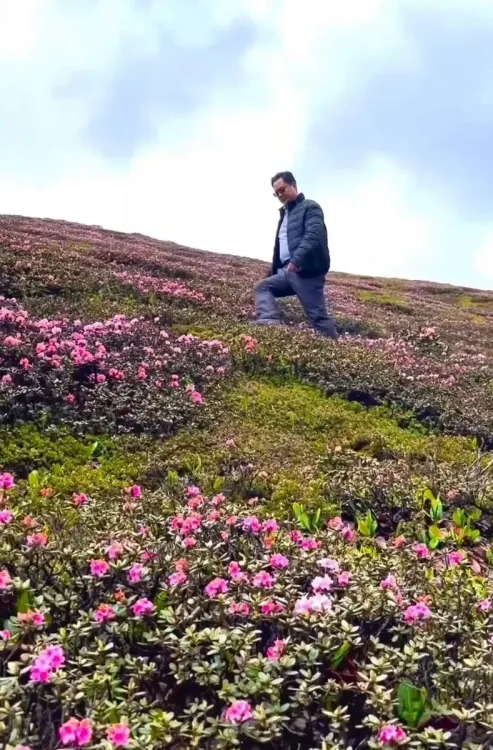
Arunachal Pradesh — India's easternmost state, sharing borders with China, Myanmar and Bhutan — is home to over 26 major tribes and some of the subcontinent's most intact biodiversity. Its monasteries, rhododendron forests, and valleys carved by the Siang, Kameng and Lohit rivers have long drawn adventurous travellers, yet the state remains dramatically under-visited relative to its scale and richness.
That gap between potential and footfall is precisely the target of campaigns like Dekho Apna Desh. By spotlighting the Northeast, successive governments have tried to redirect tourist spending away from Goa and Rajasthan and toward regions where every visitor arrival carries an outsized economic impact for local communities.
Dekho Apna Desh and the Northeast Connectivity Push
Launched by the Ministry of Tourism in 2020, the Dekho Apna Desh initiative has used webinars, social campaigns and destination showcases to build awareness of India's less-explored corners. The Northeast — and Arunachal in particular — has featured prominently, backed by parallel investments in road and air connectivity that have gradually cut travel times from major cities.
Rijiju, who has represented Arunachal in Parliament across multiple terms, has consistently used his national platform to spotlight the region's culture and infrastructure needs. A minister amplifying his home state's tourism on a globally observed day carries both soft-power intent and a quiet lobbying function — reminding the broader government machinery that Northeast tourism infrastructure deserves sustained attention.
The next frontier: whether parliamentary budget cycles translate the celebratory messaging into hard allocations for roads, homestay ecosystems and digital connectivity that would let Arunachal's 'timeless traditions' welcome far larger numbers — on the state's own terms.
Point of View
He reinforces the BJP's long-running narrative of integrating the Northeast into India's mainstream development story. The timing — on World Tourism Day — gives the message international resonance while the domestic hashtag grounds it in a policy framework already in place. The real test, as analysts note, is whether ministerial enthusiasm on social media translates into the budget lines and infrastructure decisions that would make Arunachal's tourism potential real at scale.
NationPress
27 Sept 2026
Frequently Asked Questions
What is the Dekho Apna Desh campaign?
Dekho Apna Desh is a Ministry of Tourism initiative launched in 2020 to encourage Indians to explore domestic destinations, with a strong focus on lesser-known regions including the Northeast.
Why is Kiren Rijiju promoting Arunachal Pradesh tourism?
Kiren Rijiju is a multi-term MP from Arunachal Pradesh and has consistently used his national platform to highlight the state's culture, connectivity and tourism potential.
When is World Tourism Day celebrated?
World Tourism Day is observed every year on 27 September by the United Nations World Tourism Organization to highlight tourism's role in cultural exchange and economic development.
What is Arunachal Pradesh known for as a tourist destination?
Arunachal Pradesh is known for its tribal heritage, Buddhist monasteries, biodiversity, and river valleys along the Siang, Kameng and Lohit rivers, making it one of India's most ecologically and culturally rich states.
Is Arunachal Pradesh open for tourists?
Yes, though certain areas require special permits for Indian and foreign nationals. The state has seen improving road and air connectivity as part of the central government's Northeast infrastructure push.