Rijiju Hails PM Modi's Māori Welcome in New Zealand
Synopsis
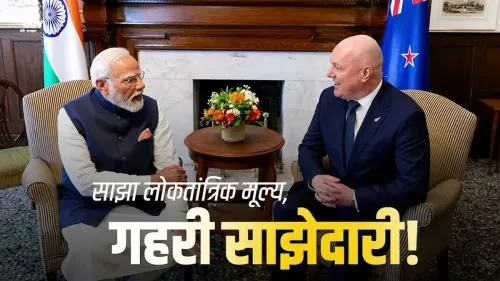
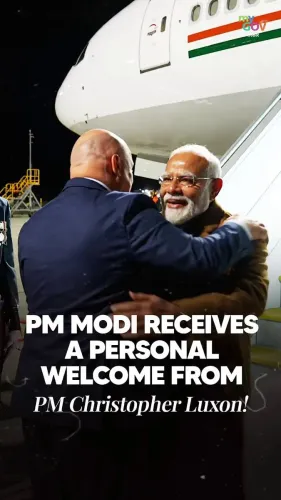
Union Parliamentary Affairs Minister Kiren Rijiju on 11 July 2026 highlighted PM Narendra Modi's traditional Māori ceremonial welcome and Guard of Honour in New Zealand, calling it a meaningful step in strengthening India–New Zealand diplomatic and bilateral ties.
Key Takeaways
Union Parliamentary Affairs Minister Kiren Rijiju publicly welcomed PM Narendra Modi 's ceremonial reception in New Zealand on 11 July 2026 .
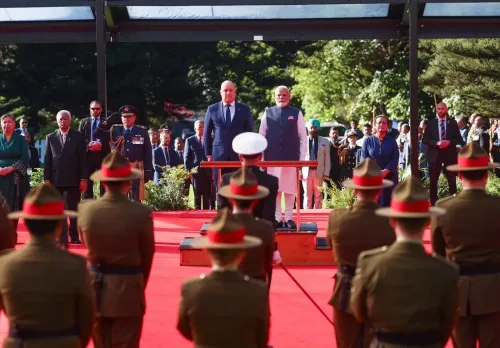
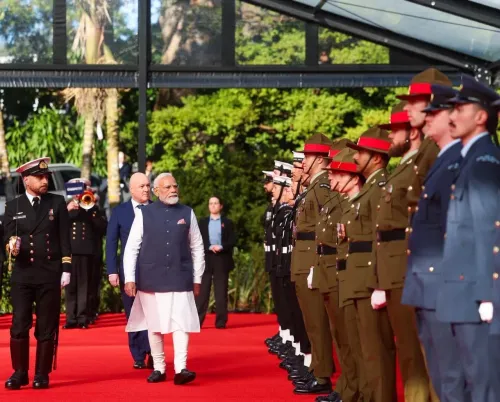
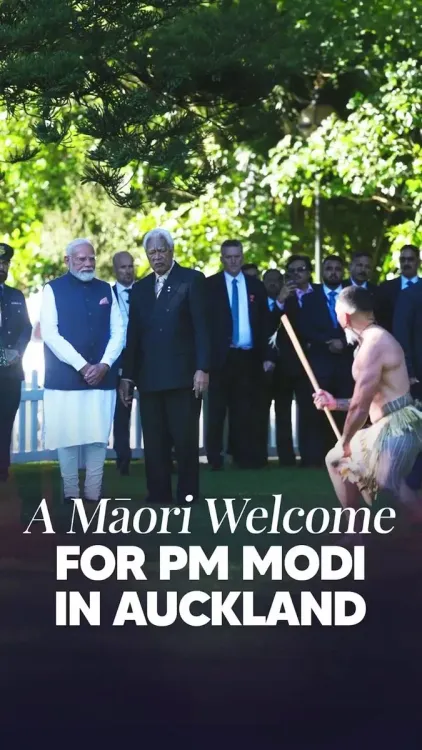
PM Modi received a traditional Māori pōwhiri (ceremonial welcome) and a Guard of Honour , protocols reserved for high-level visiting dignitaries.
India and New Zealand have been engaged in Free Trade Agreement negotiations since 2010 , with talks intermittently stalled.
The visit aligns with India's Act East Policy and its expanding Indo-Pacific diplomatic framework.
The Indian diaspora in New Zealand and trade negotiators on both sides are key stakeholders watching for concrete outcomes.
Possible outcomes include new MoUs on education and defence and a potential revival of stalled FTA talks .
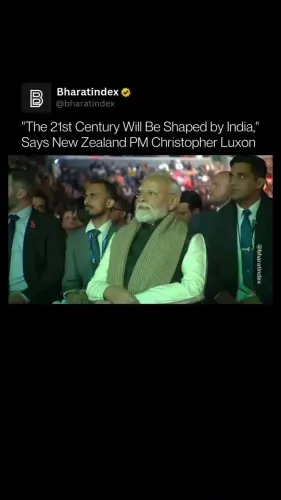
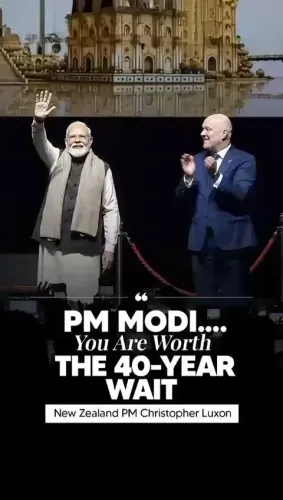
Union Parliamentary Affairs Minister Kiren Rijiju on Saturday, 11 July 2026 welcomed Prime Minister Narendra Modi's ceremonial reception in New Zealand, describing the traditional Māori welcome and Guard of Honour as a milestone in deepening bilateral ties between the two nations.
Context
Rijiju shared the development on social media, writing: 'Traditions that honour. Friendships that endure.' He noted that PM Modi received a traditional Māori ceremonial welcome — known as a pōwhiri — along with a Guard of Honour, framing the occasion as 'another step towards stronger India–New Zealand ties.'
The pōwhiri is a formal Māori protocol extended to distinguished visiting dignitaries as a mark of respect and as a symbolic opening of formal engagement. Its extension to PM Modi signals the significance New Zealand places on the visit at the highest diplomatic level.
Policy Backdrop
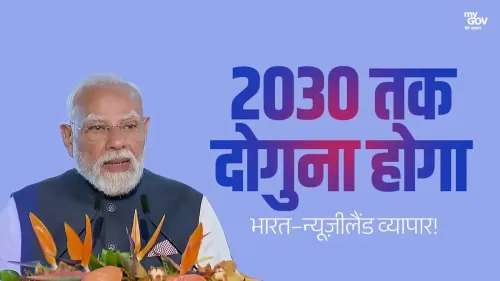
India and New Zealand have maintained steady diplomatic and economic engagement over several decades. The two countries began negotiations on a Free Trade Agreement (FTA) as far back as 2010, aimed at expanding cooperation in agriculture, services, and education — though talks have seen periodic pauses.
This visit sits within India's broader Act East Policy and its evolving Indo-Pacific framework, through which New Delhi has steadily elevated engagement with Pacific and Commonwealth partners. Cultural gestures such as traditional welcomes have accompanied several high-level exchanges, underscoring the emphasis both sides place on people-to-people and civilisational respect alongside strategic interests.
Stakeholders and Impact
The Indian diaspora in New Zealand — one of the fastest-growing migrant communities in the country — stands to benefit from any strengthening of bilateral ties, particularly in education pathways and mobility arrangements. Trade negotiators on both sides will be watching closely for signals on whether the long-pending FTA can be revived.
Broader Indo-Pacific stakeholders also have an interest: deeper India–New Zealand ties complement multilateral engagements at forums such as the United Nations and Commonwealth gatherings, reinforcing a rules-based regional order.
What's Next
Attention will now turn to whether PM Modi's visit produces tangible outcomes — including any new Memoranda of Understanding (MoUs) on education, defence cooperation, or trade — and whether it provides fresh momentum to the stalled FTA negotiations. Any joint statement or outcome document from the visit will be closely scrutinised by both business communities and foreign-policy analysts as a measure of how far the relationship has advanced beyond ceremonial goodwill.
Point of View
High-visibility bilateral visits serve a dual purpose: advancing strategic and economic interests while projecting India as a globally respected civilisational power. Rijiju's amplification of the moment signals that the ruling party views such diplomatic imagery as politically resonant at home. The real test, however, will be whether the visit converts goodwill into deliverables on the long-pending FTA and people-to-people mobility frameworks.
NationPress
9 Oct 2026
Frequently Asked Questions
Why did PM Modi receive a Māori welcome in New Zealand?
PM Modi received a traditional Māori pōwhiri ceremonial welcome because it is the formal protocol New Zealand extends to distinguished visiting heads of state, signifying respect and the opening of official engagement.
What is a Māori pōwhiri ceremony?
A pōwhiri is a traditional Māori welcoming ritual that includes chants, speeches, and symbolic gestures of peace. It is extended to important guests and dignitaries as a mark of honour and the beginning of formal relations.
What is the current status of the India–New Zealand Free Trade Agreement?
India and New Zealand began FTA negotiations in 2010 covering agriculture, services, and trade, but talks have seen periodic pauses and had not been concluded as of recent records.
Why did Kiren Rijiju comment on PM Modi's New Zealand visit?
As a senior BJP minister and member of the Union Cabinet, Rijiju regularly amplifies significant foreign-policy moments involving PM Modi on social media, framing them within the government's diplomatic narrative.
How does New Zealand fit into India's foreign policy?
New Zealand is part of India's Act East Policy and Indo-Pacific framework , with cooperation spanning trade, education, diaspora affairs, and multilateral forums such as the United Nations and the Commonwealth .